There's a creepy phenomenon called 'Voorhees law' that explains why the slower car can still catch you up
Published on Apr 09, 2026 at 11:53 AM (UTC+4)
by Molly Davidson
Last updated on Apr 09, 2026 at 11:53 AM (UTC+4)
Edited by
Mason Jones
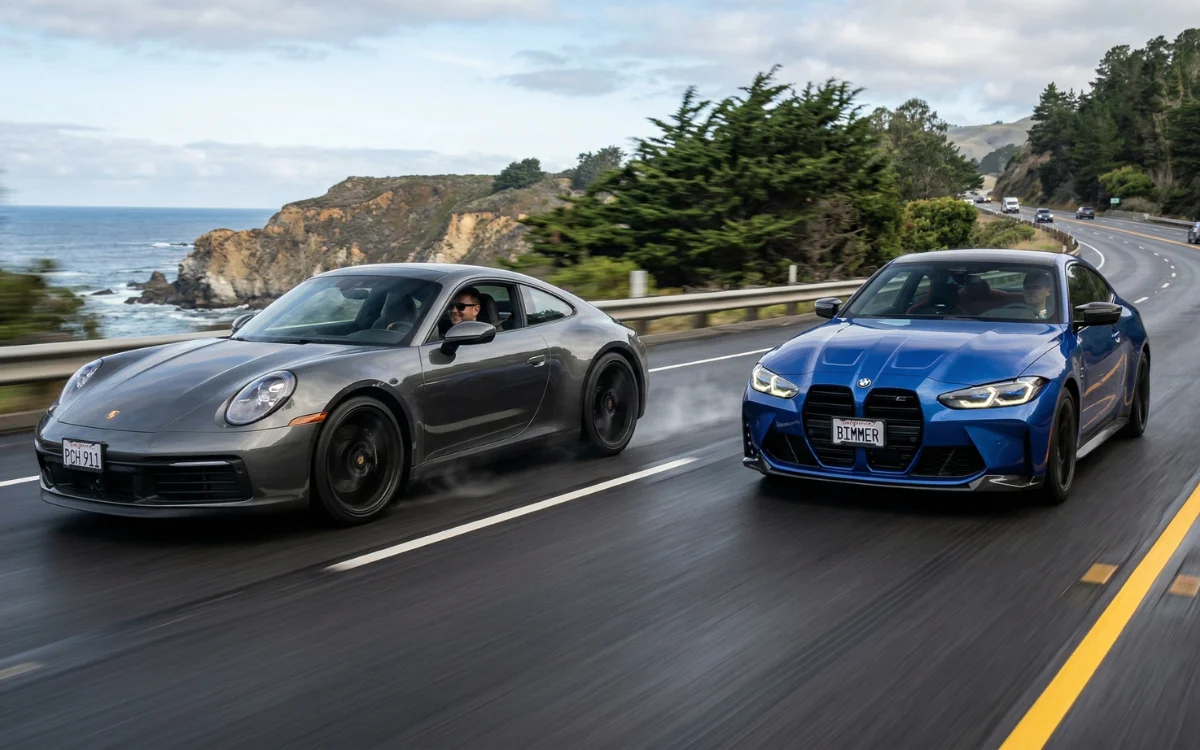

There’s a weird driving moment most people have experienced at least once.
You overtake a slower car, pull ahead, and assume you’ve left it behind.
Then you stop at the next light and see it roll up right behind you.
And suddenly, it feels like the overtake never even happened.
What is the Voorhees law
There’s a name for that exact scenario, and it comes with a surprisingly simple explanation.
It’s called ‘Voorhees law’, a nod to the horror movie villain who somehow always catches up, no matter how slowly he walks.
In this case, the idea was formalized by Dublin City University researcher Conor Boland, who looked at what actually happens when one car overtakes another.
Instead of modeling full traffic, he stripped it back to just two cars.
One faster, one slower.
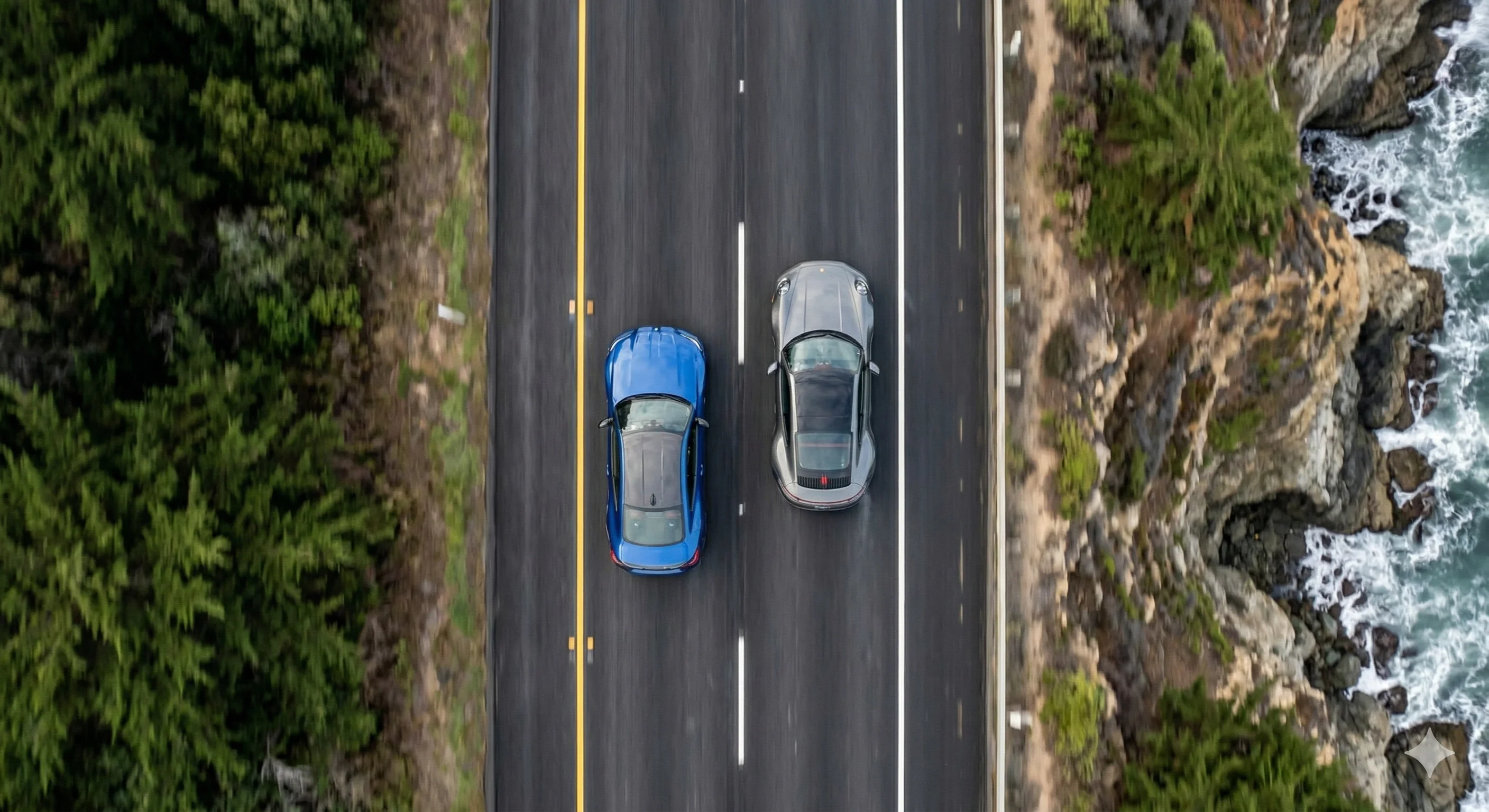
When the faster driver overtakes, they gain a time advantage.
On paper, that should be enough to stay ahead.
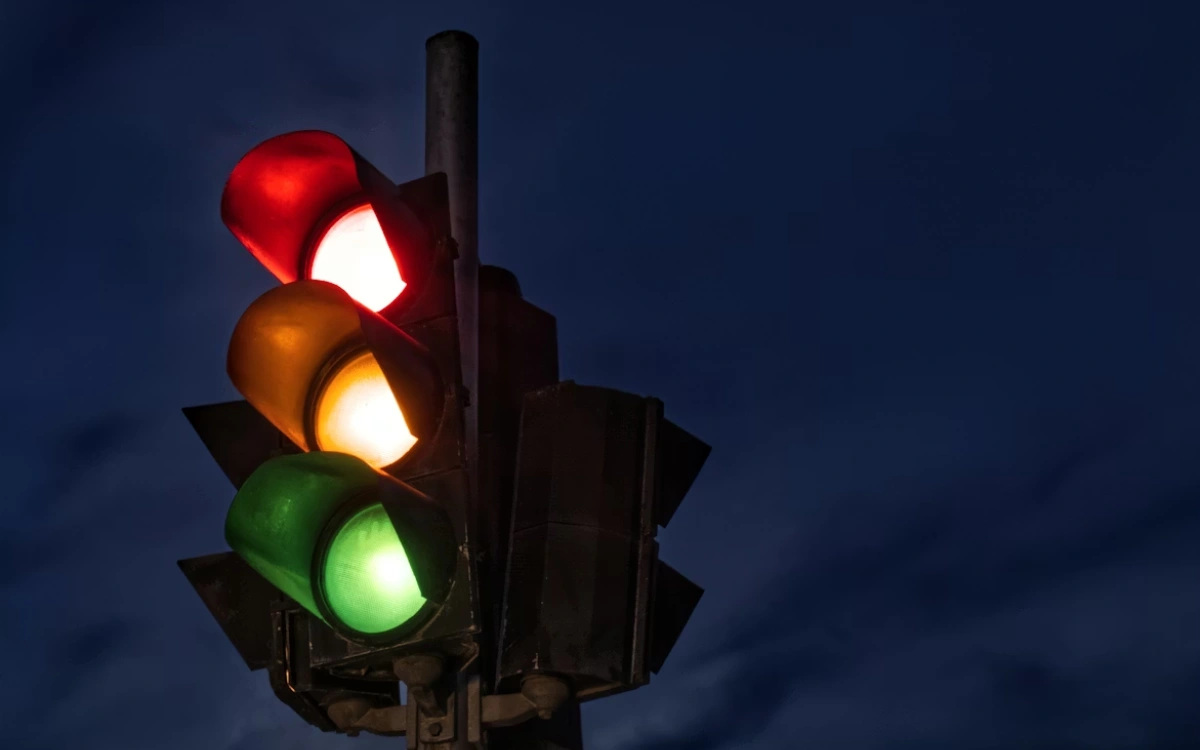
But then the traffic light gets involved.
Because of that, everything depends on timing.
The faster driver reaches the next signal at a random point in its red-green cycle.
If they arrive during red, they’re forced to stop, and that small time advantage disappears almost instantly.
The slower car keeps moving and pulls right back alongside.
Boland’s model shows the outcome comes down to three things: how much time the overtake actually gained, how long the traffic light cycle runs, and how much of that cycle is spent on red.
So if the overtake only saves a few seconds, which is often the case in busy traffic, the probability of getting caught climbs quickly.
A bigger gap holds.
A small one doesn’t.
Why this keeps happening on longer city drives
That same pattern becomes even harder to avoid once you add more traffic lights into the mix.
As a result, each additional signal increases the chances of at least one catch-up.
You might clear the first light cleanly, but the next one resets everything.
Then the next one does it again.
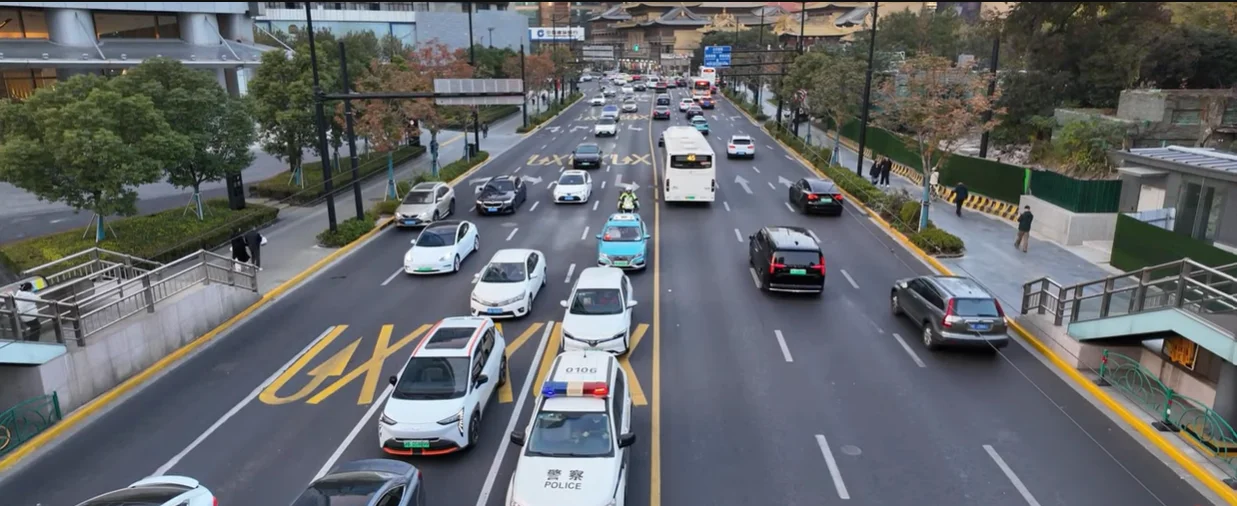
On longer urban routes, those probabilities start stacking.
It’s not just one unlucky stop – it’s a series of chances for the slower car to erase the gap.
That’s why it feels so common.
According to the study, these catch-up moments aren’t rare at all.
They’re a predictable outcome of how traffic signals interact with small differences in speed.
So the next time a car you passed pulls up beside you at a red light, it’s not some strange coincidence – it’s Voorhees law.
DISCOVER SBX CARS: The global premium car auction platform powered by Supercar Blondie
With roles at TEXT Journal, Bowen Street Press, Onya Magazine, and Swine Magazine on her CV, Molly joined Supercar Blondie in June 2025 as a Junior Content Writer. Having experience across copyediting, proofreading, reference checking, and production, she brings accuracy, clarity, and audience focus to her stories spanning automotive, tech, and lifestyle news.