Ferrari Enzo designer created a Japanese supercar and it became one of the rarest cars on the planet with only 5 being made
Published on Aug 23, 2026 at 2:08 AM (UTC-4)
by Alessandro Renesis
Last updated on Aug 23, 2026 at 2:08 AM (UTC-4)
Edited by
Mason Jones
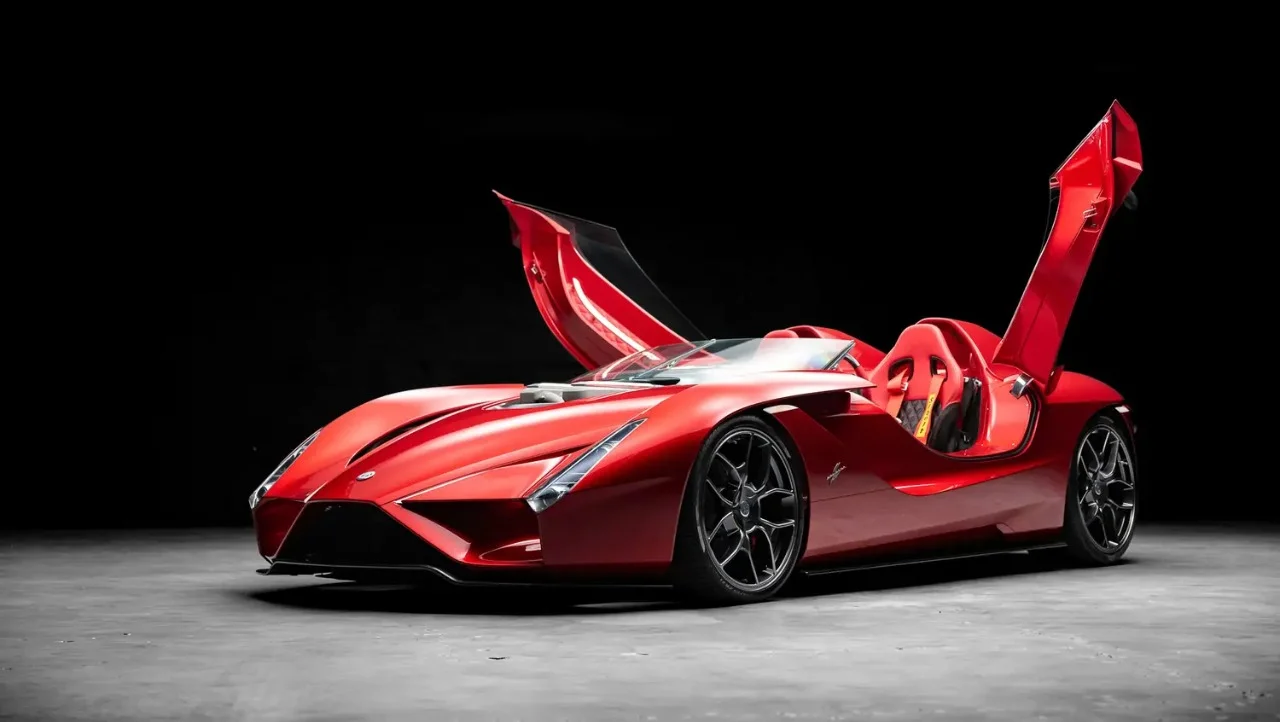

This is the Kode57, an ultra-rare Japanese supercar designed by the same man who gave the world the Ferrari Enzo.
The name is actually a reference to a very important year for Ferrari, by the way.
Apart from the name, this rare supercar also features a Ferrari V12 and a design language that lets you know it was clearly designed by a Ferrari man.
But there’s only one minor issue if you want to buy one.
This is basically the Japanese Enzo
The Kode57 was designed by Ken Okuyama – the same Japanese designer who gave the world several iconic Ferraris.
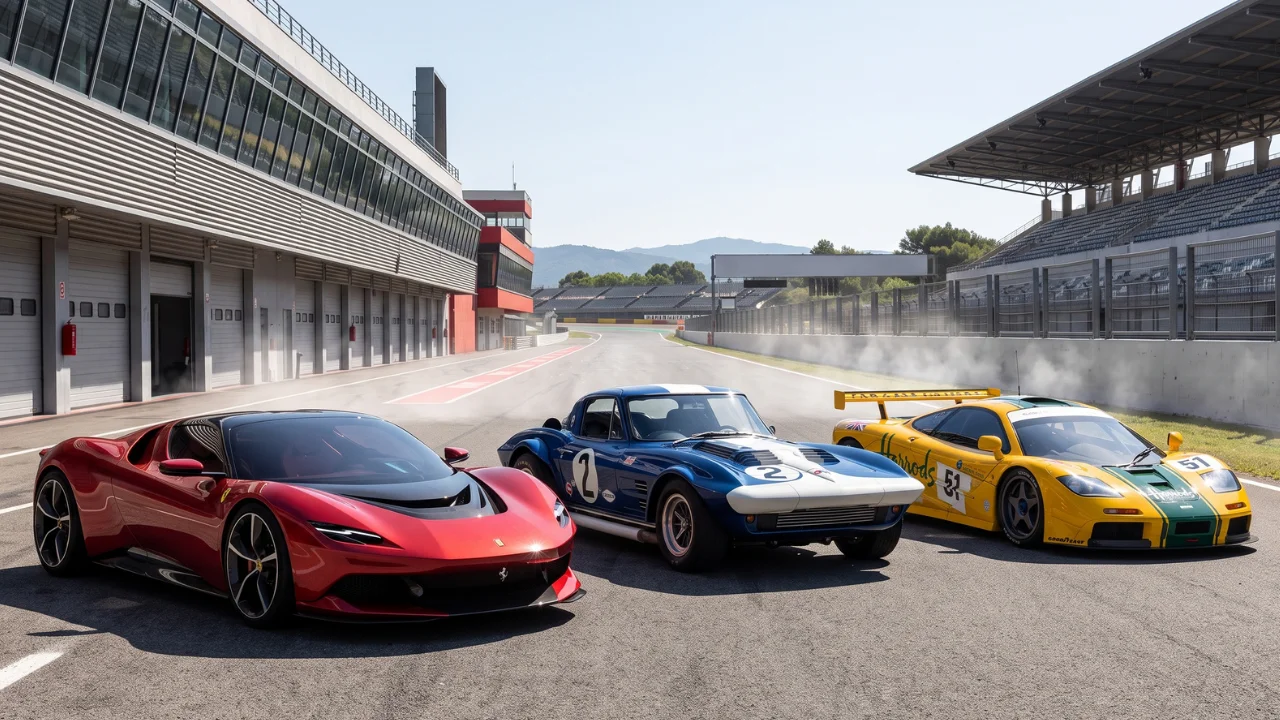
Among others, Okuyama has designed the Ferrari 456M GT, the 612 Scaglietti, the P4/5 concept car, the 599 GTB Fiorano, the first-generation California, and – probably his most revered creation – the Ferrari Enzo.
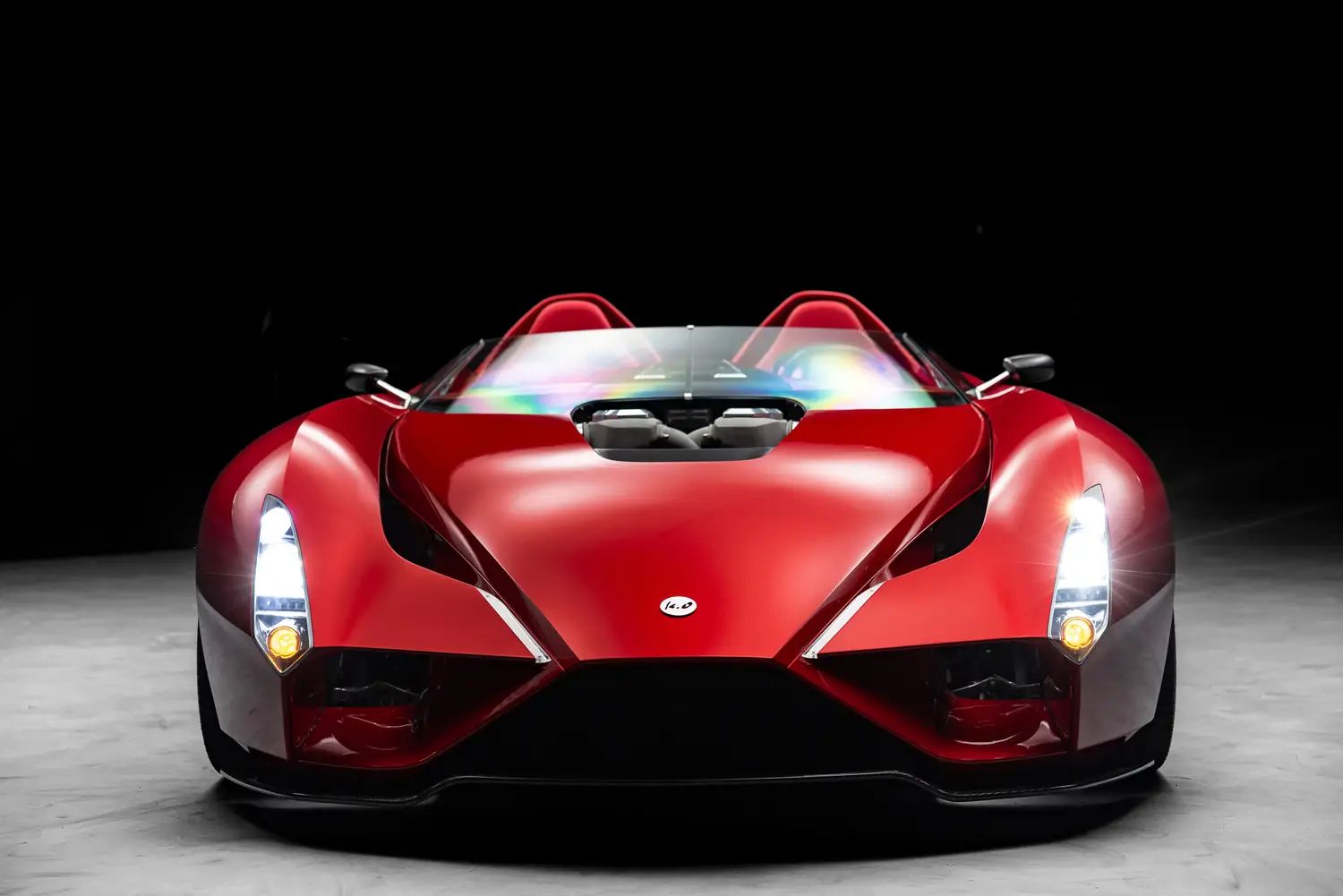
This is a coach-built, open-top barchetta that pays homage to the golden era of 1950s motor racing.
It was actually named to commemorate the landmark year 1957, which saw the birth of legendary roadsters like the Ferrari 250 TR.
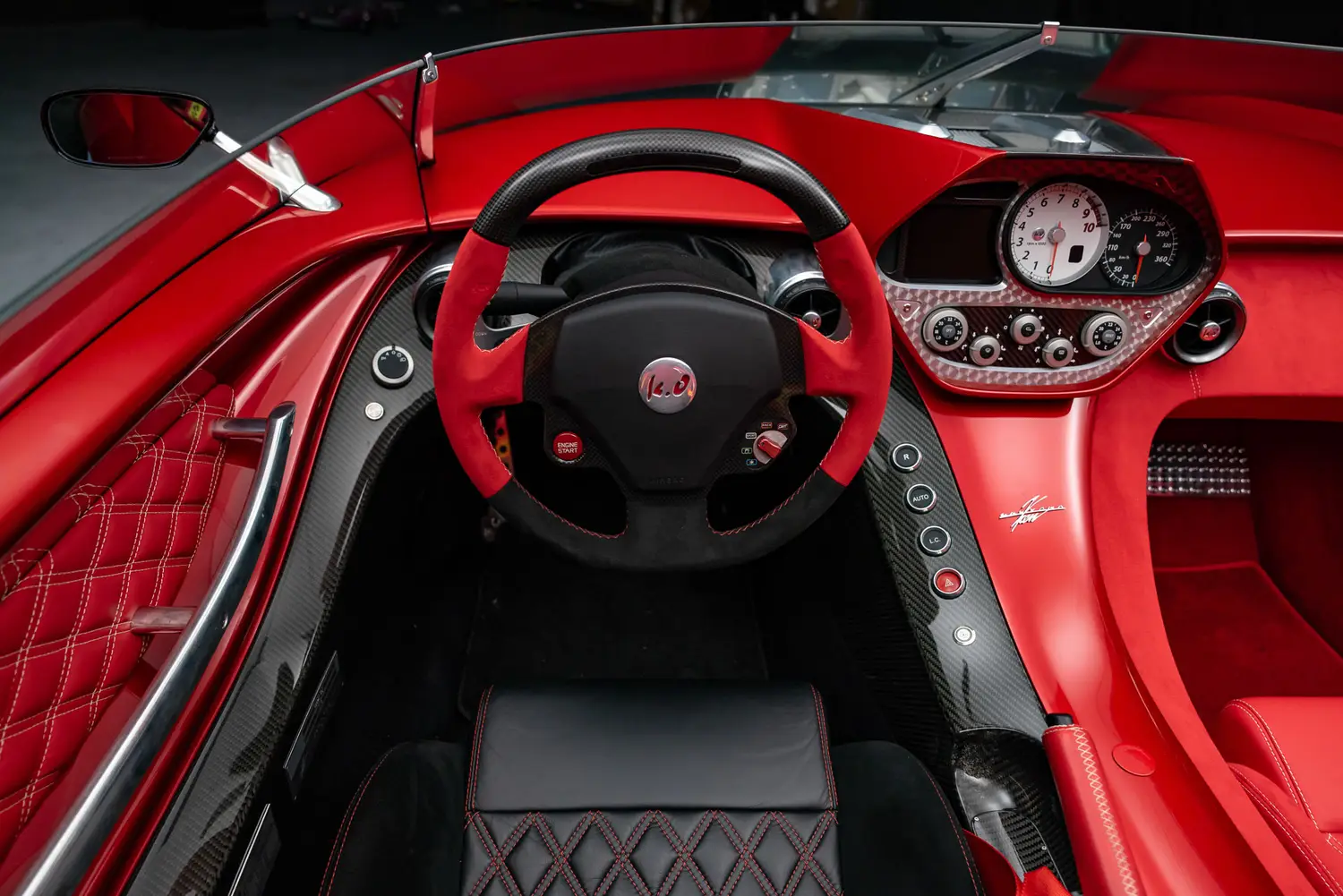
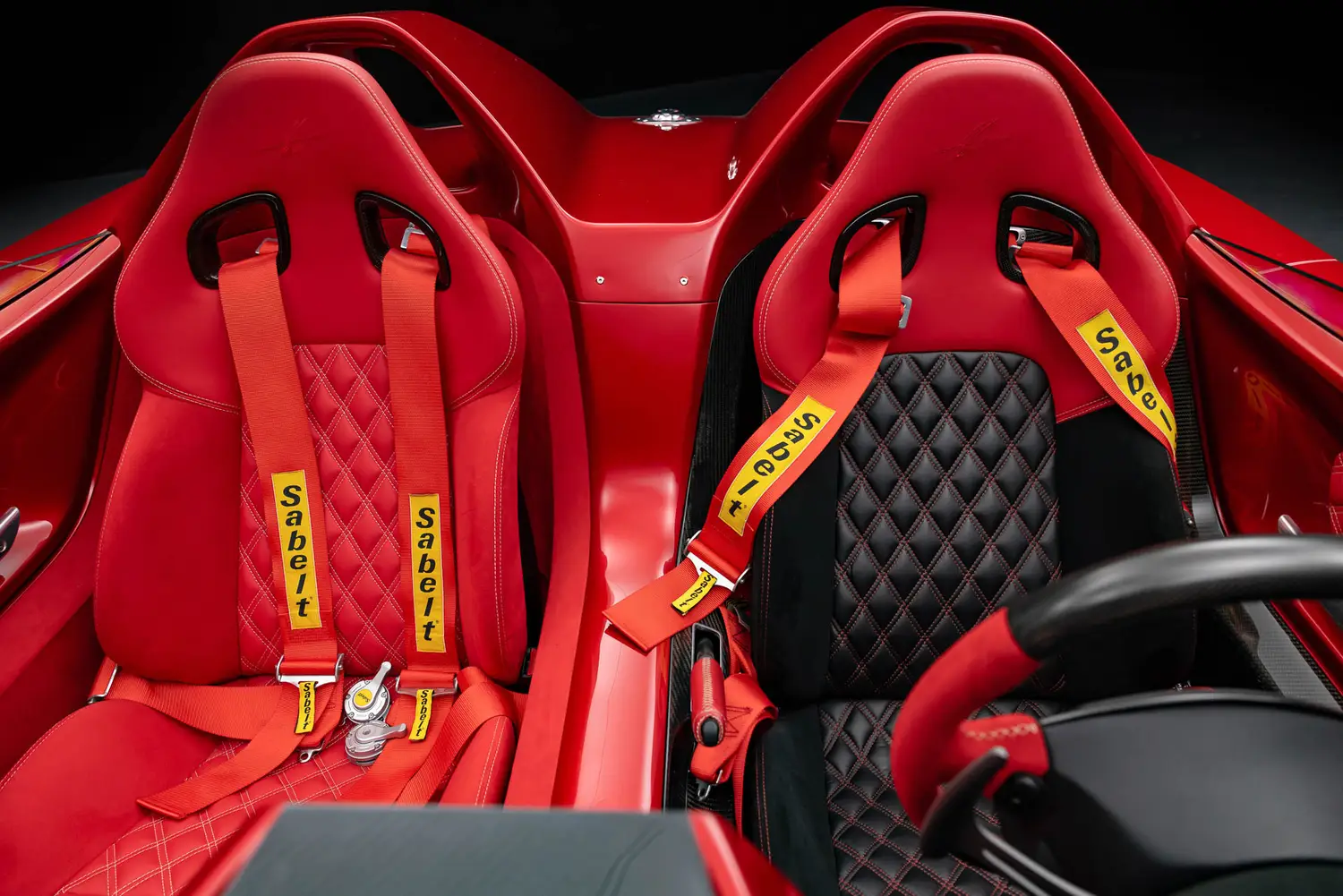
Visually, the Kode57 is defined by its ultra-long hood, dramatic air intakes, and asymmetrical interior upholstery: red-on-red for the passenger seat, and red-on-black for the driver’s.
One of its most striking design signatures is its reverse-opening ‘birdcage’ doors, which rise upward and backward.
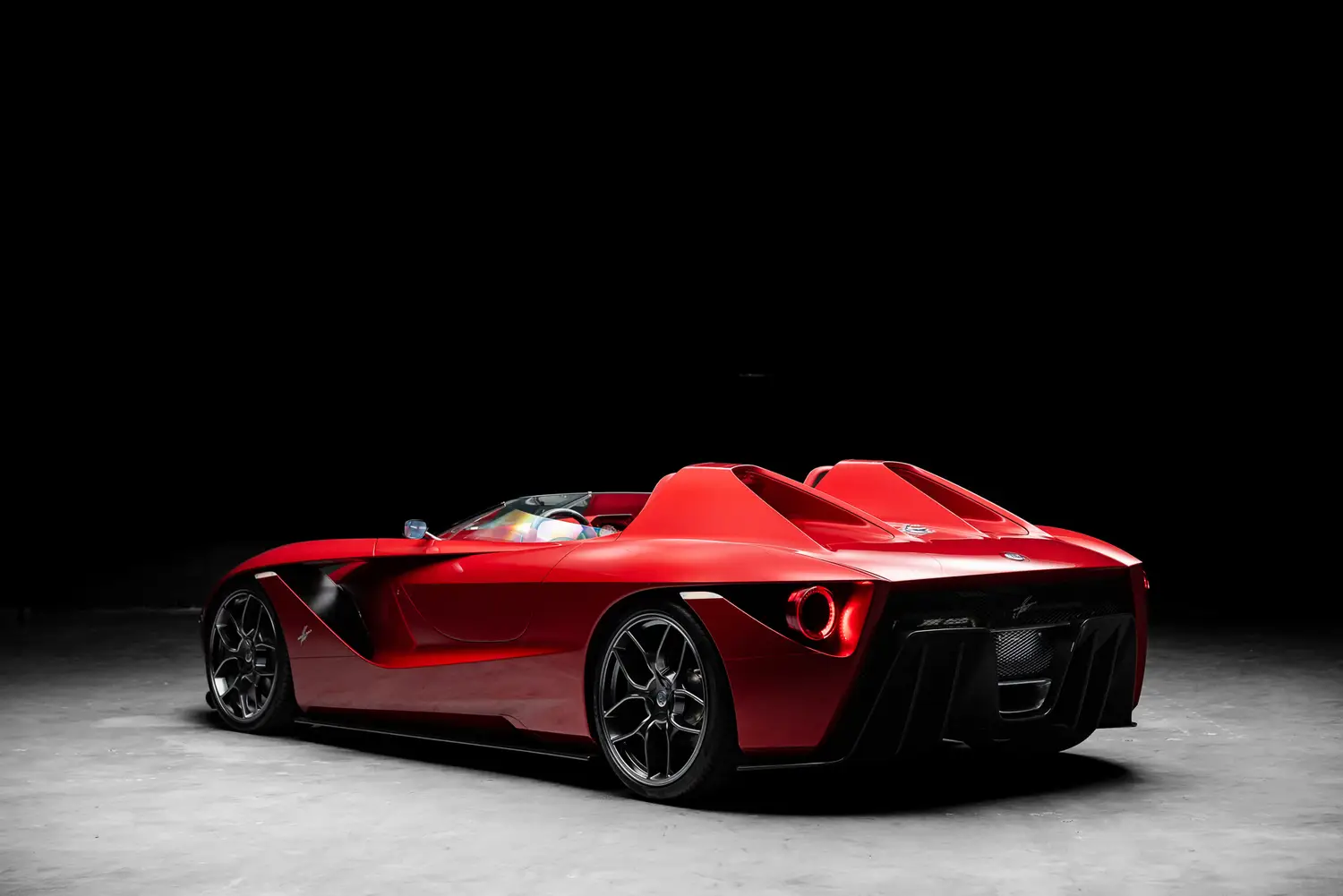
Built out of carbon fiber, the Kode57 features a front-mid-mounted 6.0-liter naturally aspirated V12 engine tuned to produce 600 horsepower.
It does 0-60 in 3.5 seconds.
Performance-wise, the Kode57 is very similar to Enzo.
But there’s a key difference elsewhere.
The Ferrari Enzo was a mass-produced car compared to this
For the Enzo, Ferrari initially announced a limited run of 349 units.
Shortly after the announcement, Ferrari realized that number was a bit low and, due to high demand, they increased production to 399 units.
In 2005, the Italian supercar manufacturer ended up building a 400th car produced as a gift for Pope John Paul II.
So we’re looking at a 400-unit production run, which doesn’t sound like much but, when you compare it to the Kode57, makes it look like a mass-production effort.
Only five Kode57s were produced, each one originally priced at around $2.5 million.
And the Kode57 has actually kept its value quite well.
Today, you still need to pay around the same amount of money if you want one, and that’s if you actually manage to find one for sale, which is tough.
But that’s peanuts compared to the Enzo.
The Enzo is one of the most coveted supercars in the world at the moment.
It’s not easy to find, and people are loving it even more now because as the car world becomes more software-focused and EV-friendly, older, analog supercars like the Enzo become more desirable.
A ‘regular’ high-mileage Ferrari Enzo costs anywhere between $5 million and $10 million.
A collector-grade, low-mileage example with immaculate history can fetch up to $13 million.
A one-of-a-kind example – perhaps with celebrity provenance, delivery mileage, or a rare factory color – can command upwards of $15 million
Alessandro is an automotive journalist with 10 years of experience covering supercars, automotive history, emerging vehicle technology, and luxury transportation. He wrote the first article published on SupercarBlondie.com when the website launched in 2022 and has since built a reputation for insightful reporting across the automotive and transportation industries. His expertise is grounded in hands-on experience. Alessandro has driven every Tesla model ever produced, from the original Roadster to the Cybertruck, and regularly covers the latest developments in electric vehicles and automotive innovation. His passion for transportation extends beyond cars, he has even flown a Boeing 787 Dreamliner simulator in Addis Ababa, Ethiopia. His reporting spans everything from classic American muscle cars and rare automotive discoveries to luxury yachts, private aircraft, high-end watches, and cutting-edge vehicle technology. Known for his deep knowledge of automotive history and ability to uncover the stories behind iconic vehicles, Alessandro brings readers a blend of historical context, technical expertise, and first-hand experience.