Michigan man who owns a 2025 Ford F-150 Lightning and a 2025 Toyota 4Runner SR5 works out each car's real world costs per 1,000-miles and is left stunned
Published on May 05, 2026 at 4:30 PM (UTC-4)
by Alessandro Renesis
Last updated on May 19, 2026 at 2:22 AM (UTC-4)
Edited by
Ben Thompson
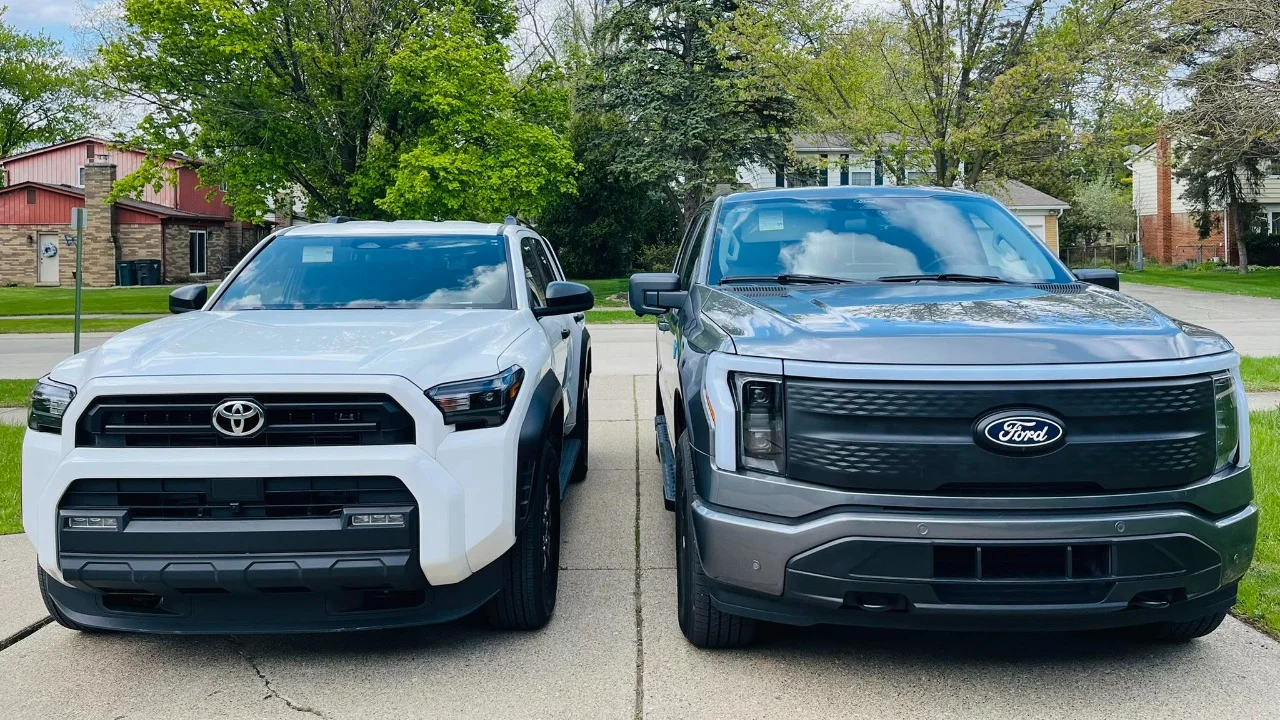

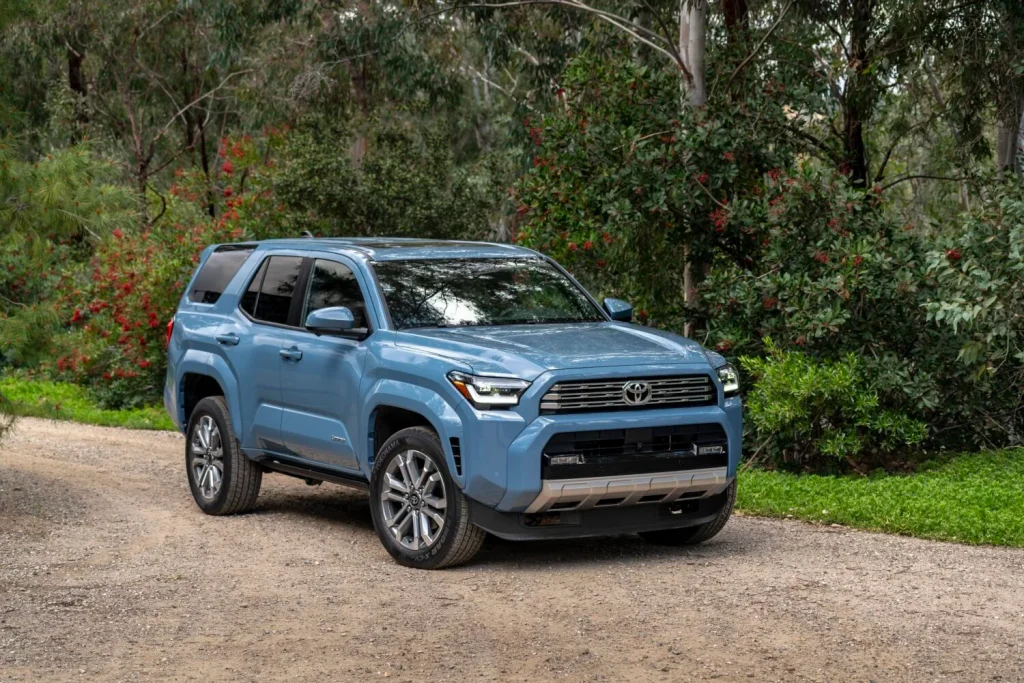
An owner in the US has been using both an electric Ford F-150 Lightning and a Toyota 4Runner SR5 in Michigan, and the cost comparison leaves no doubt which one comes out cheaper.
We mentioned the state because that makes a big difference in terms of charging costs as well as gas prices.
Either way, one of these two vehicles is significantly cheaper to run than the other, there’s no doubt about that.
However, there’s one thing the owner said that makes all difference.
If you had to choose with your wallet, there’d be no comparison.
Michigan resident Vladimir Aeron Pagsaligan took to the Ford F-150 Lightning EV Enthusiasts group on Facebook to break down the cost comparison between his F-150 Lightning and his Toyota 4Runner.
These two vehicles couldn’t be more different.
They’re not even in the same category, because the F-150 is a truck, while the 4Runner is an SUV.
But aside from that, the key difference is that the 4Runner is powered by gasoline, and the F-150 is electric.
This explains the massive gap in operating costs.
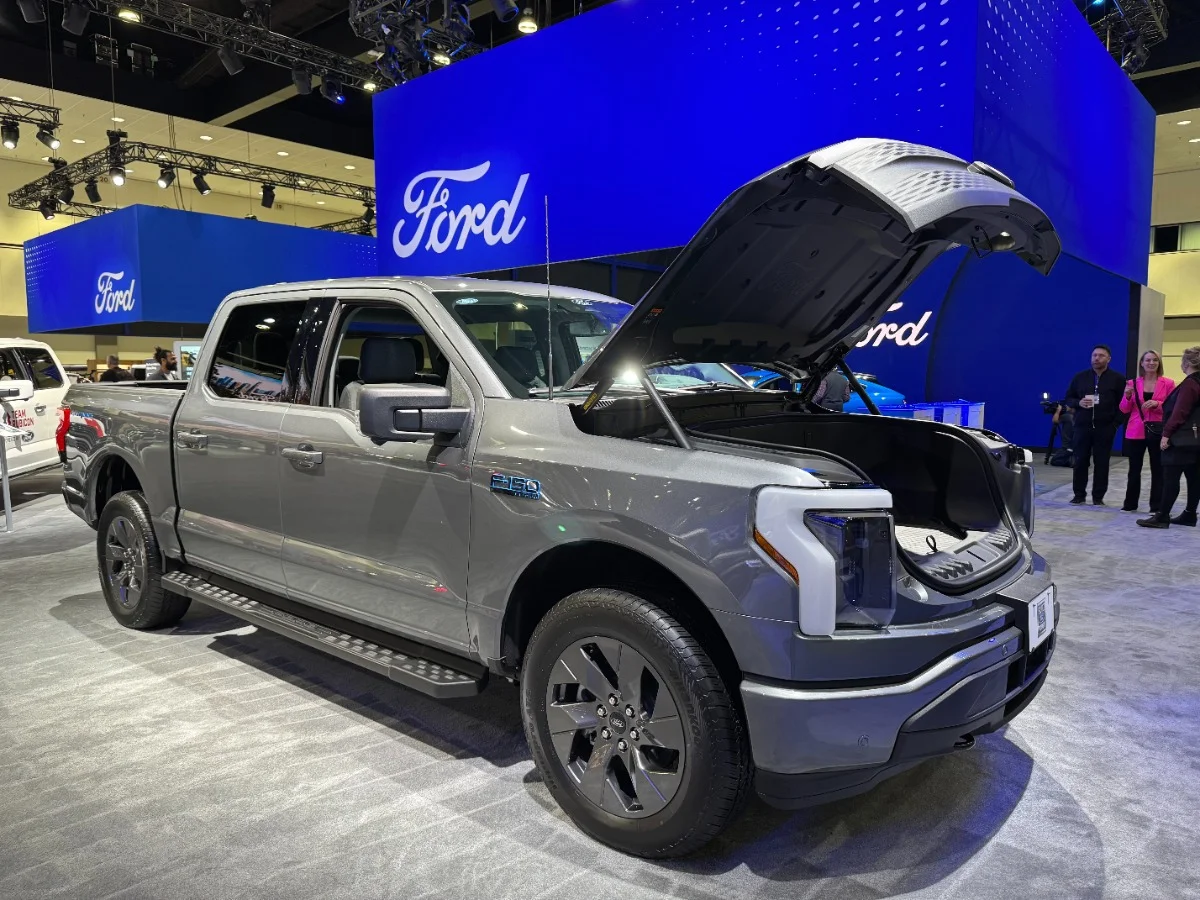
His Ford Lightning apparently costs him around $100 per 1,000 miles, which works out to 10¢ per mile.
We should point out that the Lightning’s cost-efficiency depends almost entirely on home charging.
So that’s something to bear in mind because that number would be much higher with Superchargers (which are generally also open to other brands) or equivalent public chargers.
Also, scheduled maintenance for the Lightning is significantly cheaper than for a gas-powered F-150 because electric cars have fewer moving parts.
By contrast, the 4Runner cost him around $250 per 1,000 miles driven.
It sounds like a no-brainer, but there is a significant catch.
Related

The Ford F-150 Lightning is cheaper to run, but…
There are two huge caveats.
First, the Lightning might be cheaper to run, but it is a lot more expensive to buy.
The F-150 is no longer in production but, in 2025, a brand-new one would’ve set you back $55,000 if you went for the base model.
By contrast, an equivalent Toyota 4Runner would have cost $40,000.
The second caveat is the same that applies to all EVs, and it’s a combination of range, charging times, and the potentially huge difference between home charging and other options.
If you own a gas car in Michigan, you can simply drive to the nearest gas station – of which there are many – and get roughly the same price per gallon every time.
If you have to charge your EV, the cost varies dramatically depending on whether you can rely on home chargers or whether you’re forced to use public chargers.
Also, range anxiety must be factored in, along with location, driving habits, electricity rates, and so on.
From a financial standpoint, the Ford F-150 Lightning might potentially make more sense.
But that’s just one part of the equation.
Alessandro is an automotive journalist with 10 years of experience covering supercars, automotive history, emerging vehicle technology, and luxury transportation. He wrote the first article published on SupercarBlondie.com when the website launched in 2022 and has since built a reputation for insightful reporting across the automotive and transportation industries. His expertise is grounded in hands-on experience. Alessandro has driven every Tesla model ever produced, from the original Roadster to the Cybertruck, and regularly covers the latest developments in electric vehicles and automotive innovation. His passion for transportation extends beyond cars, he has even flown a Boeing 787 Dreamliner simulator in Addis Ababa, Ethiopia. His reporting spans everything from classic American muscle cars and rare automotive discoveries to luxury yachts, private aircraft, high-end watches, and cutting-edge vehicle technology. Known for his deep knowledge of automotive history and ability to uncover the stories behind iconic vehicles, Alessandro brings readers a blend of historical context, technical expertise, and first-hand experience.