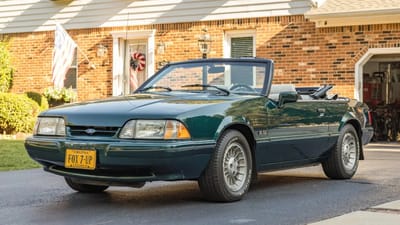
Honda perfected the technology that Formula 1 teams use to win championships and it did it 50 years ago in a family hatchback
Published on Apr 18, 2026 at 12:26 PM (UTC-4)
by Molly Davidson
Last updated on Apr 18, 2026 at 12:26 PM (UTC-4)
Edited by
Emma Matthews


Honda perfected the technology Formula 1 teams now rely on decades before it ever appeared on a race track.
Today, pre-chamber ignition sits at the heart of modern F1 power units, helping teams squeeze more performance out of less fuel.
It sounds like the kind of breakthrough you’d expect from a high-budget motorsport lab.
But in reality, it first showed up in a compact family hatchback built to meet emissions rules.
The 1970s Honda breakthrough that mirrors modern F1 engine tech
Pre-chamber ignition sounds complicated, but the idea is surprisingly simple.
Instead of igniting fuel in one big combustion space, the engine splits the process in two.
A small chamber gets a richer air-fuel mix, while the main chamber runs leaner.
When the spark fires, the smaller chamber ignites first, sending a jet of flame into the main chamber and burning everything more completely.
That’s exactly the principle Formula 1 engines rely on today.
It improves efficiency, boosts power, and helps teams meet strict fuel limits.
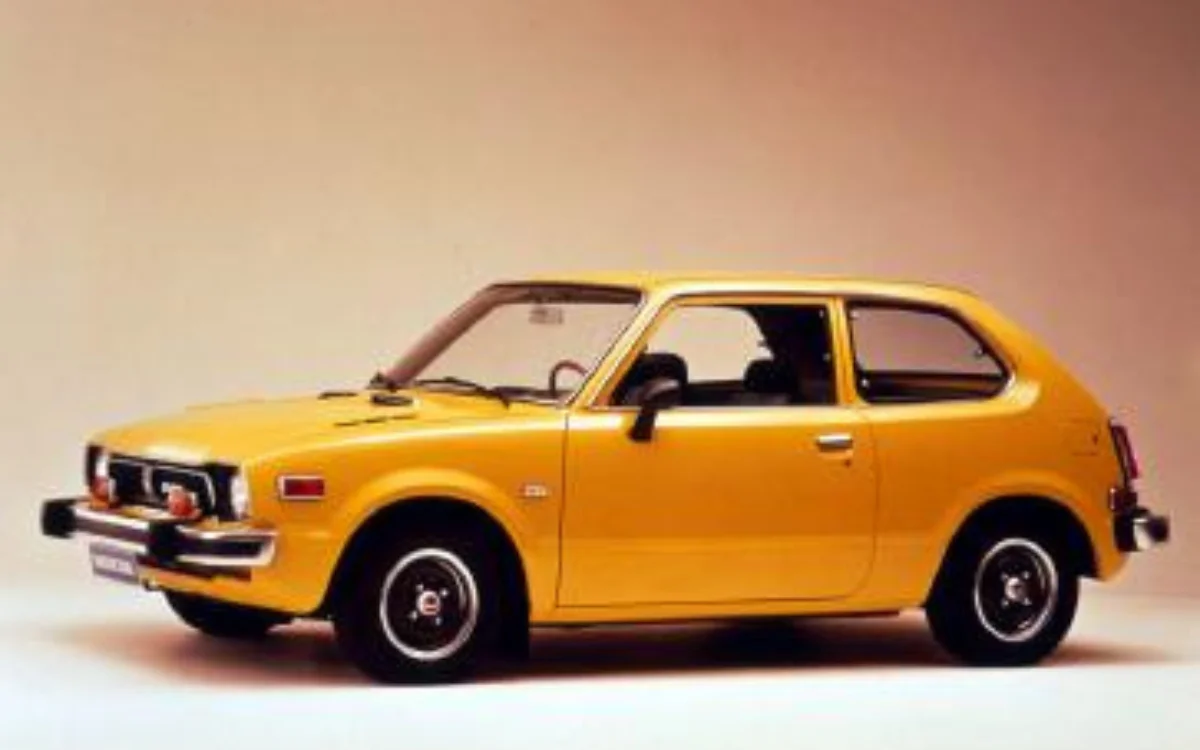
But Honda was already doing something very close to this back in 1975.
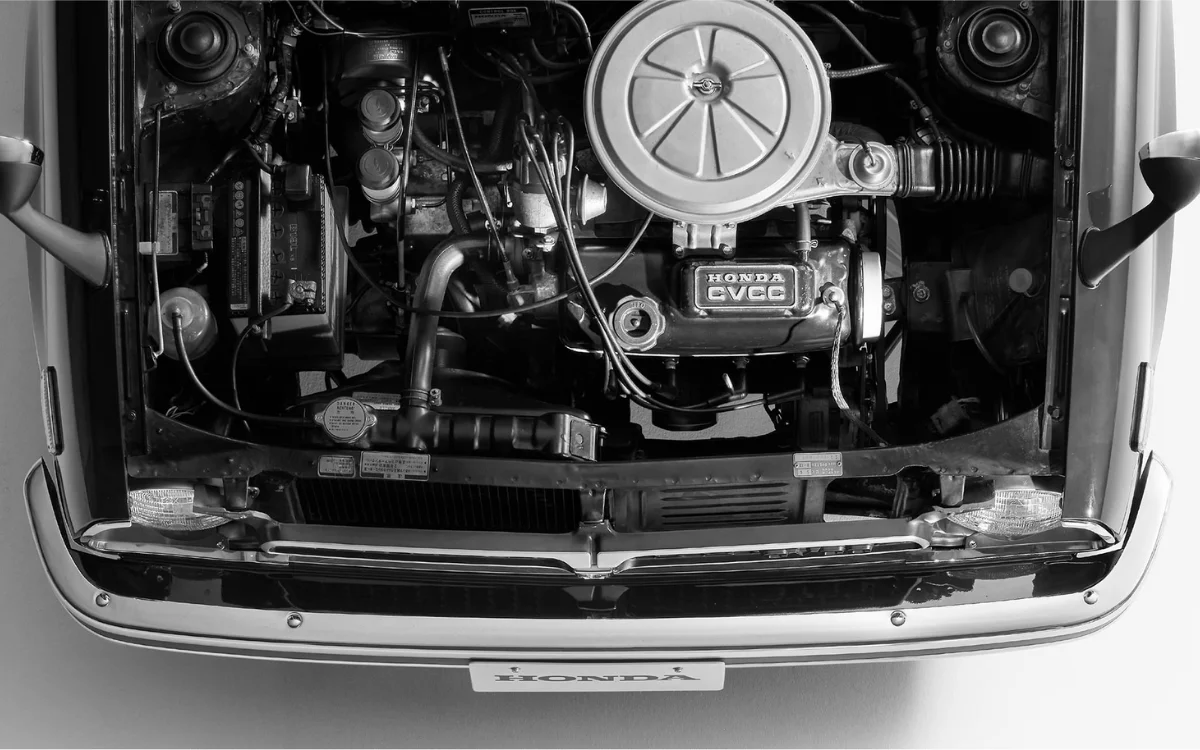
The Honda Civic CVCC used what the company called Compound Vortex Controlled Combustion – a system built around that same split combustion idea.
Instead of modern fuel injection, it used a specially designed carburetor to send different mixtures to different parts of the engine.
A richer mix went to a small pre-chamber, while a leaner mix filled the main cylinder.
When it fired, the flame pushed through a small passage into the main chamber, creating a more complete burn.
The result wasn’t just clever engineering.
Honda managed to meet strict US emissions rules without needing a catalytic converter, something that set it apart at the time.
It also caught the attention of the wider industry, with companies like Toyota, Ford, Chrysler, and Isuzu licensing the technology.
Related


How that same idea evolved into a Formula 1 advantage
Even though the core idea stayed the same, the technology around it moved on.
Modern engines swapped carburetors for precise fuel injection and different valve setups to control airflow.
There are also two types of systems now – active and passive – depending on how the mixture reaches the pre-chamber.
Formula 1 teams tend to keep details under wraps, but the timeline is clear.
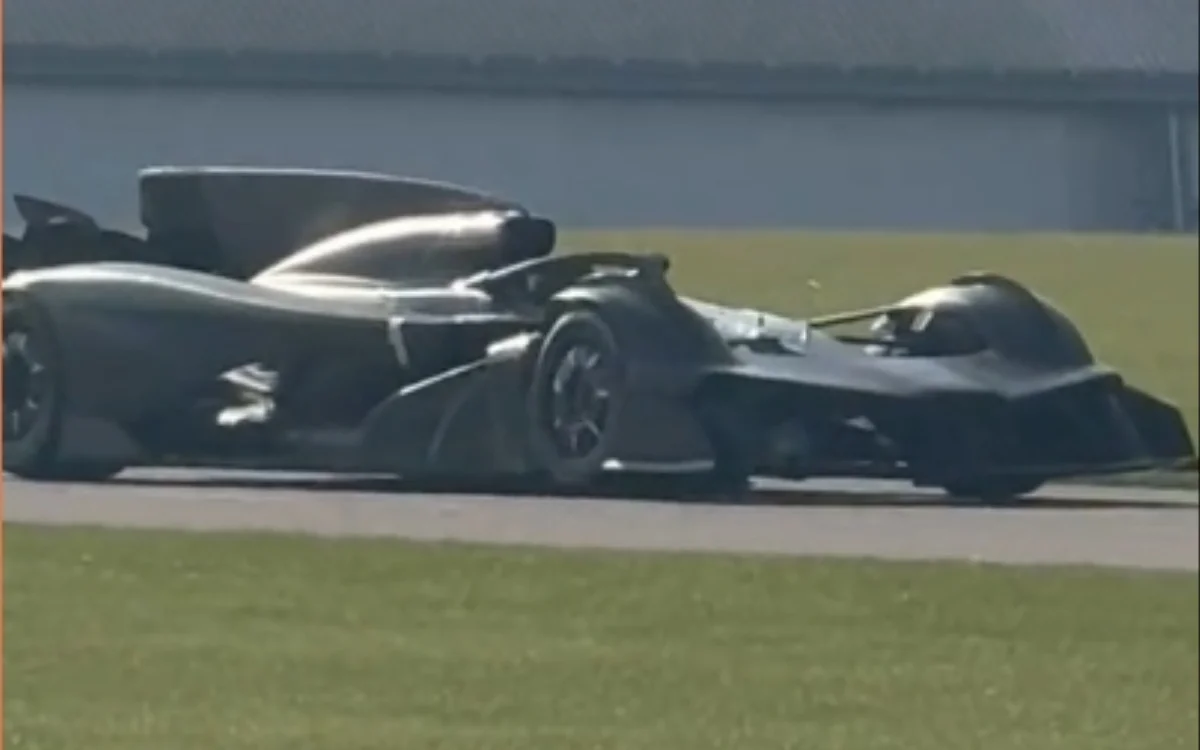
Mercedes introduced a version of the system in 2014, Ferrari followed in 2015, and Honda brought it into its F1 engines in 2017.
And the reason is straightforward.
In a hybrid era where efficiency matters as much as outright power, burning fuel more effectively is a major advantage.
That same thinking has started to show up in road cars again.
Engines like Maserati’s Nettuno V6 and Jeep’s Hurricane unit use similar concepts to balance performance with emissions compliance.
What began as a way to pass emissions tests in a 1970s hatchback has shaped how some of the most advanced engines in the world operate.
From everyday cars to championship-winning Formula 1 machines.
With roles at TEXT Journal, Bowen Street Press, Onya Magazine, and Swine Magazine on her CV, Molly joined Supercar Blondie in June 2025 as a Junior Content Writer. Having experience across copyediting, proofreading, reference checking, and production, she brings accuracy, clarity, and audience focus to her stories spanning automotive, tech, and lifestyle news.