How a NASCAR ban forced Chrysler to unleash the Street Hemi on the public
Published on Jan 31, 2026 at 9:54 PM (UTC+4)
by Keelin McNamara
Last updated on Jan 29, 2026 at 8:17 PM (UTC+4)
Edited by
Emma Matthews

Not many people know that a NASCAR ban is what forced Chrysler to unleash the Street Hemi on the American public.
It’s an often overlooked yet pivotal part of the Hemi lineage.
The 426 cubic-inch ‘Street Hemi’ is now a thing of legend.
But its existence is actually owed to the steep banks of the NASCAR race track.
DISCOVER SBX CARS: The global premium car auction platform powered by Supercar Blondie
NASCAR forces Chrysler into insane creation
Today’s story is for you if you’re a fan of all things NASCAR-engineering-related.
Because it takes us all the way back to the 1960s.
As you know, the 426 cubic-inch ‘Street Hemi’ is now a thing of legend.
But it actually exists thanks to Chrysler’s involvement in NASCAR.
When NASCAR first started, it was intended to serve as a championship for non-modified production cars.
By the mid-1960s, however, cars had started to evolve – and so had their speed.
The machinery used had started to become more purpose-built than its street versions.
Both still retained close ties – especially when it came to the engine.
By the time the 1964 NASCAR season rolled around, Chrysler wanted more.
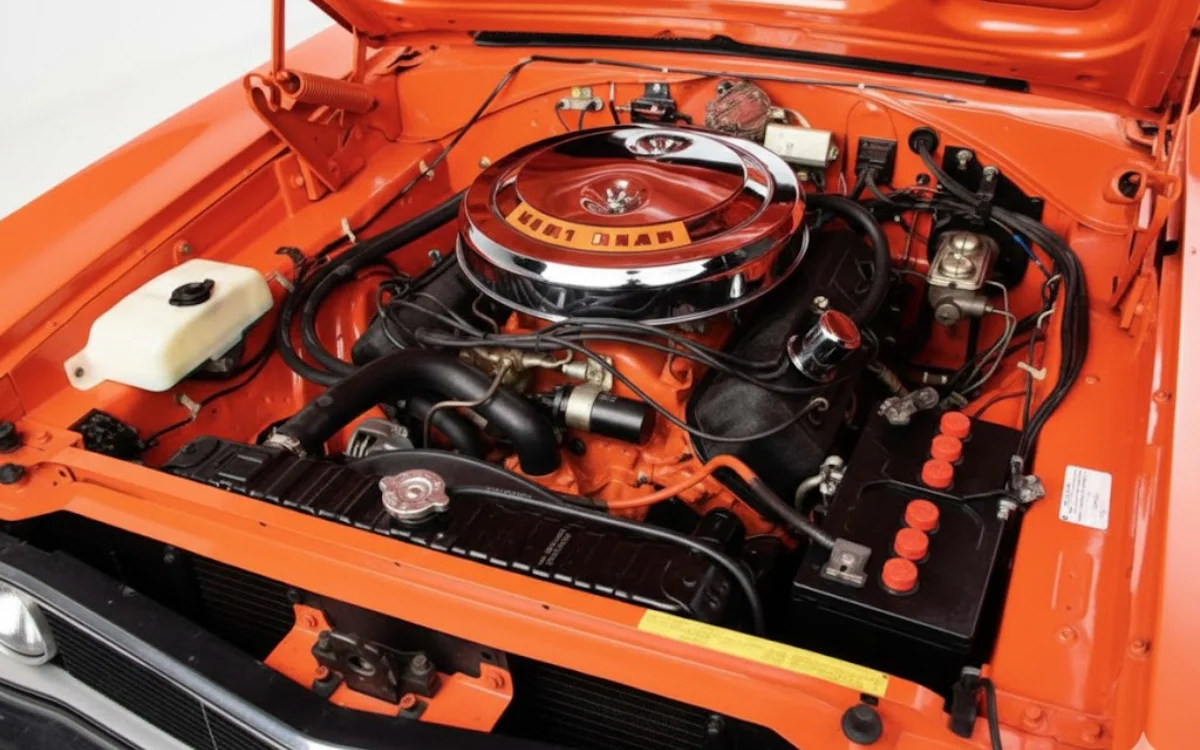
It specifically wanted to extract more power from its 426 ‘Wedge’ V8.
As a result, the marque had a root around in its 1950s racing DNA and worked up a set of hemispherical ‘HEMI’ heads for the 426.
This led to the creation of the first 426 Race Hemi.
Click the star icon next to supercarblondie.com in Google Search to stay ahead of the curve on the latest and greatest supercars, hypercars, and ground-breaking technology
Hemi engine dominates – then gets banned
As you might imagine, the engine was an instant winner.
‘The King’ Richard Petty was the instant beneficiary, as his Plymouth dominated the 1964 Daytona 500 for Chrysler.
NASCAR wasn’t exactly thrilled with this – so they banned the engine for the 1965 season – boo!
The organization argued that the engine wasn’t available in a production car, so it was illegal to use it in racing.
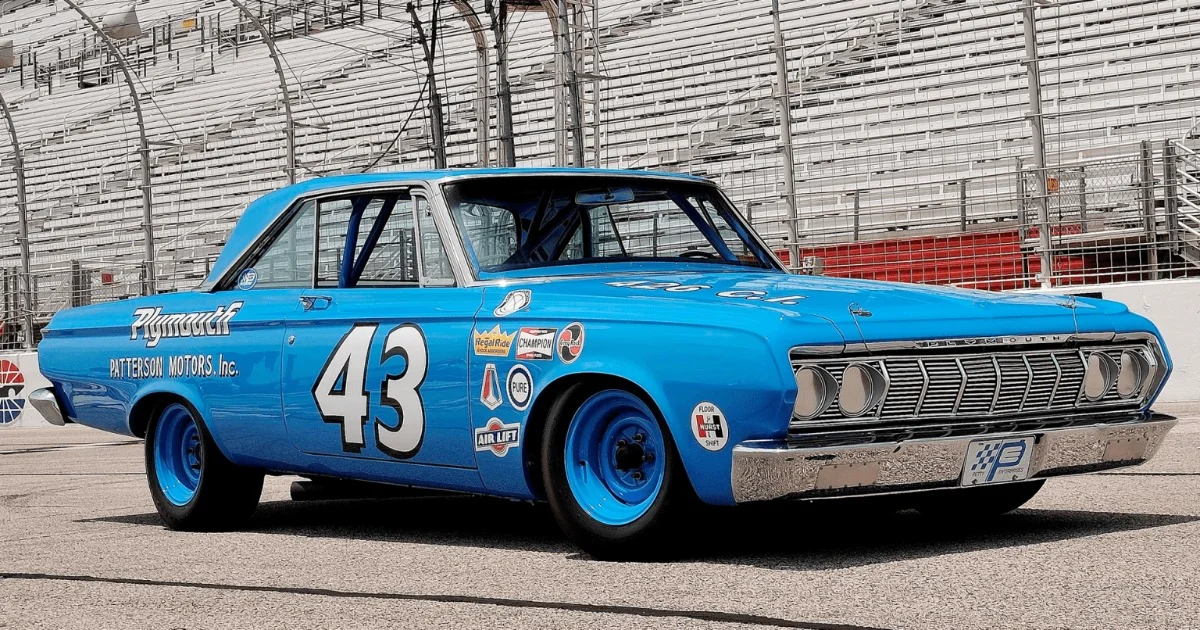
Chrysler responded by introducing the A102 426 Street Hemi for the 1966 model year.
The rest from that point is history, with the Hemi engine returning to the track and dominating once more.
Muscle cars supplied with the Hemi would also become legendary in their own right.
The brand still falls foul of the sport
Of course, fans of the sport will also know that this wasn’t exactly the last time that Chrysler was punished for having an ‘unfair advantage’.
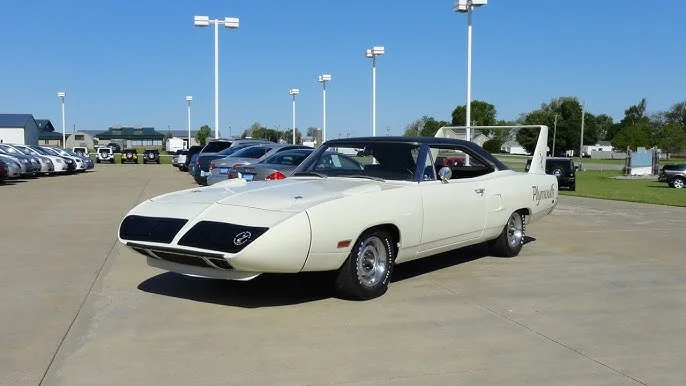
In 1969 and 1970, the Dodge Daytona and Plymouth Superbird were introduced.
These models sought to achieve NASCAR domination by using radical aero designs.
Even though street versions existed alongside the race models, NASCAR still wasn’t happy.
So it ended up banning these cars after just two seasons – boo, again!
So how about the ‘Street Hemi’ on the road-going muscle car side of things?
Chrysler offered the 426 ‘Street Hemi’ in various road-going models until 1971.
After that, new emissions regulations essentially killed off the muscle car entirely.
In NASCAR, the sport had mandated smaller engines and standardized rules for them by 1975.
The legacy of the Chrysler 426 ‘Street Hemi’ very much lives on.
In the pages of American muscle car history, it remains arguably the most iconic engine ever made.
And it likely never would have existed without the world of NASCAR to force its creation.