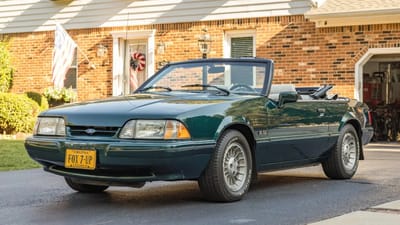
Some of the most iconic cars in the world like Ferraris, Lamborghinis and Porsches instantly look worse when US spec is applied and this is why
Published on Sep 20, 2026 at 8:02 AM (UTC-4)
by Ben Thompson
Last updated on Sep 20, 2026 at 8:02 AM (UTC-4)
Edited by
Mason Jones

Whether it’s Ferraris, Lamborghinis, or Porsches, these iconic cars have suffered the wrath of being subject to US spec.
When a car is imported to the US, it often has to be modified to comply with American law.
While it may be complying with the law, this change often has the effect of making cars appear worse.
This divisive design alteration has its roots in a law passed back in 1973.
There’s always been some differences between cars in the US and Europe
Separated by an ocean, there’s always been a lot of cultural differences between the US and Europe, despite all the similarities.
And these differences even present themselves in car culture.
If we want to take a current example, look at the Tesla Cybertruck.
While it’s been a successful – if not divisive – fixture on American roads, it hasn’t quite taken off in Europe.
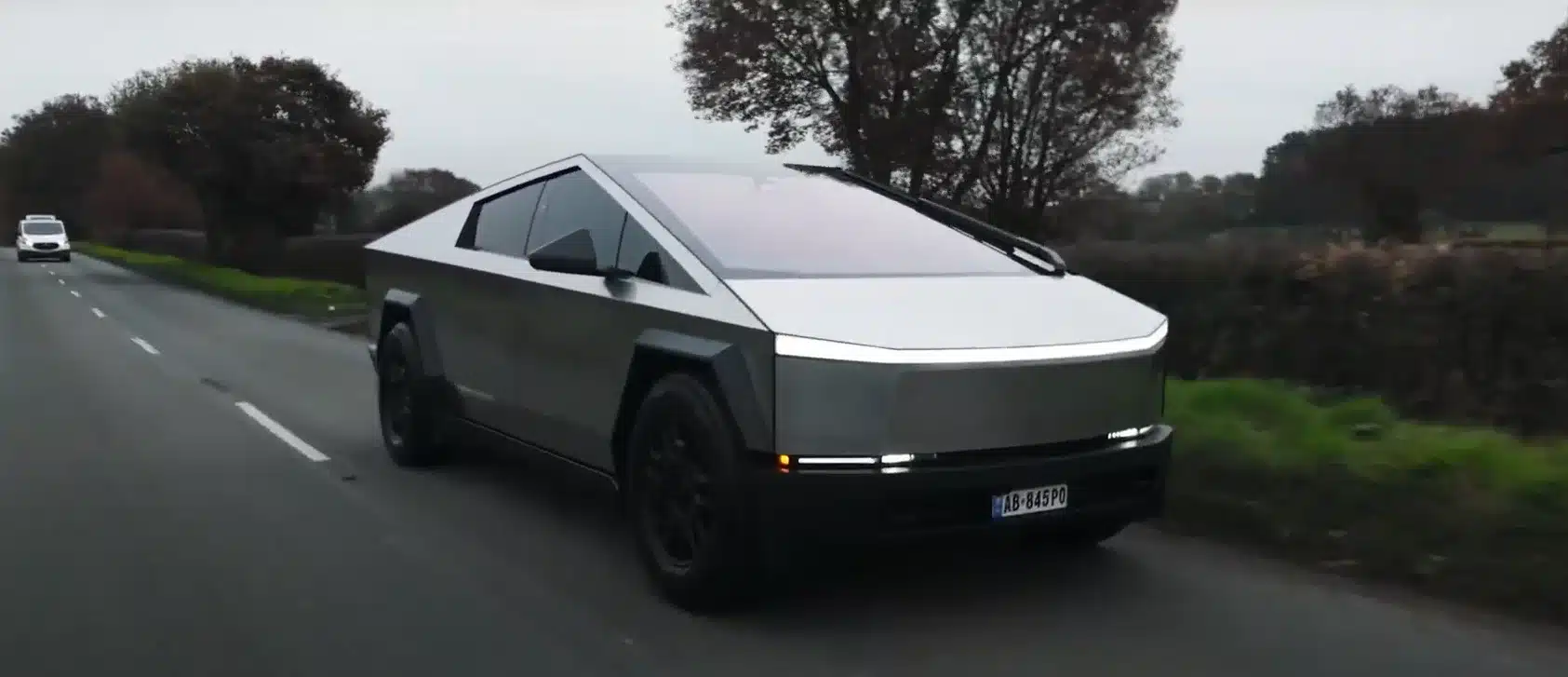
A mixture of sharp angles and regulations have presented a lot of metaphorical roadblocks in the Tesla truck’s way on the continent.
But it’s not a one-way thing by any stretch.
There are just as many European cars that are facing hurdles when being exported to the US.
Believe it or not, plenty of European cars find themselves being modified before they can be sold stateside – we’re talking Porsches, Bugattis, Ferraris, and Lamborghinis.
What’s been change and why?
Related


The US spec on these European cars isn’t to everyone’s taste
This story begins back in the early 1970s, when the National Highway Traffic Safety Administration (NHTSA) issued Federal Motor Vehicle Safety Standard 215.
This mandated that cars built after September 1972 would need to be able to survive a 5mph forward impact and a 2.5mph reverse impact with a fixed barrier, without sustaining any significant damage.
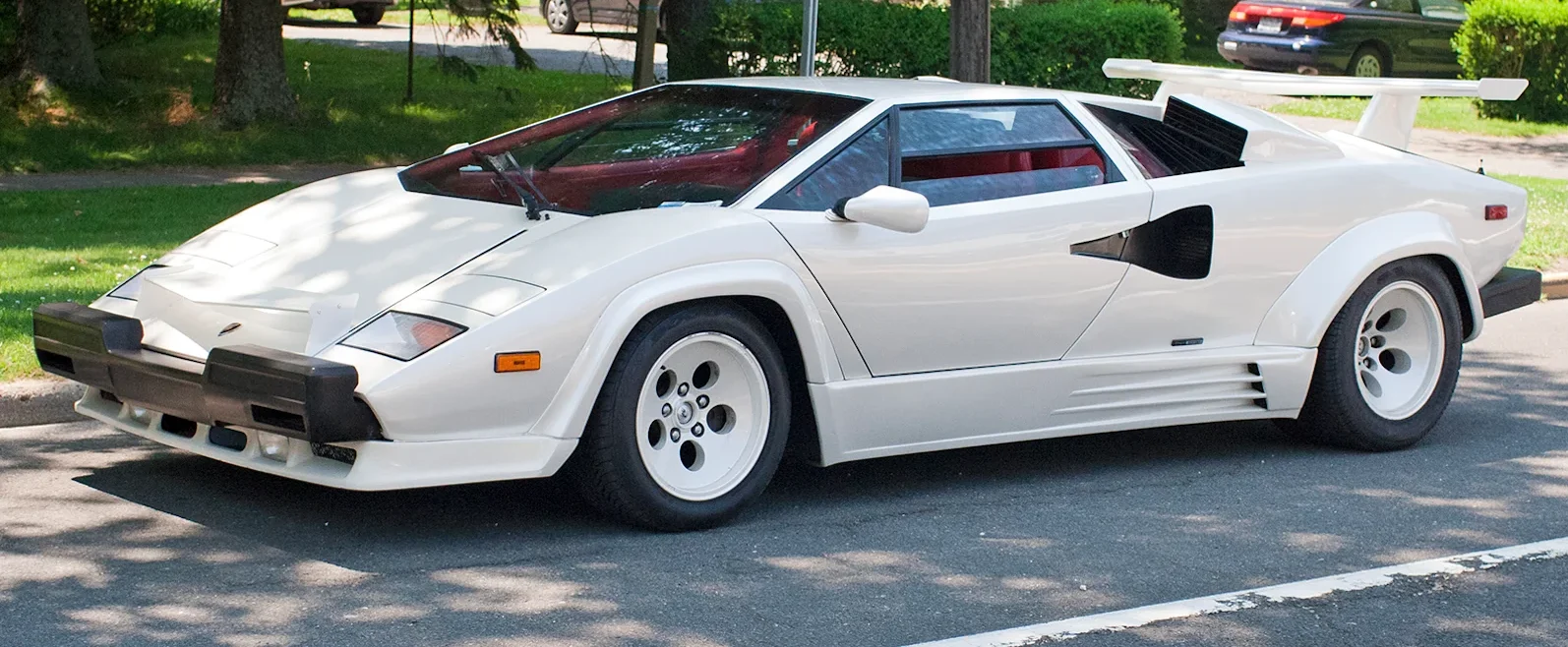
A year later, the requirement was upped to a 5mph collision from both directions.
Fast forward a decade and pressure from car-makers swayed the NHTSA into halving the speed requirements.
But by that time, plenty of cars had already undergone modifications to meet the requirements.
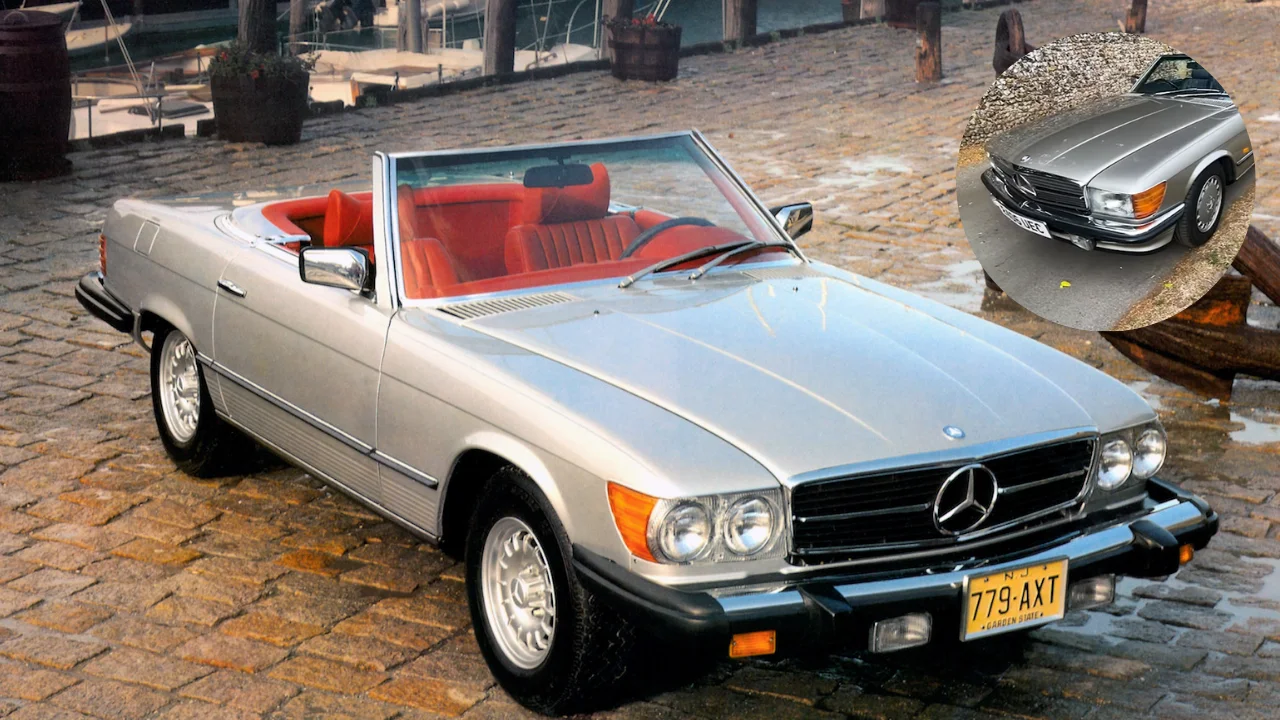
Several European cars had bumpers fitted onto them, including the Mercedes-Benz SL, the Jaguar E-Type, and the Lamborghini Countach.
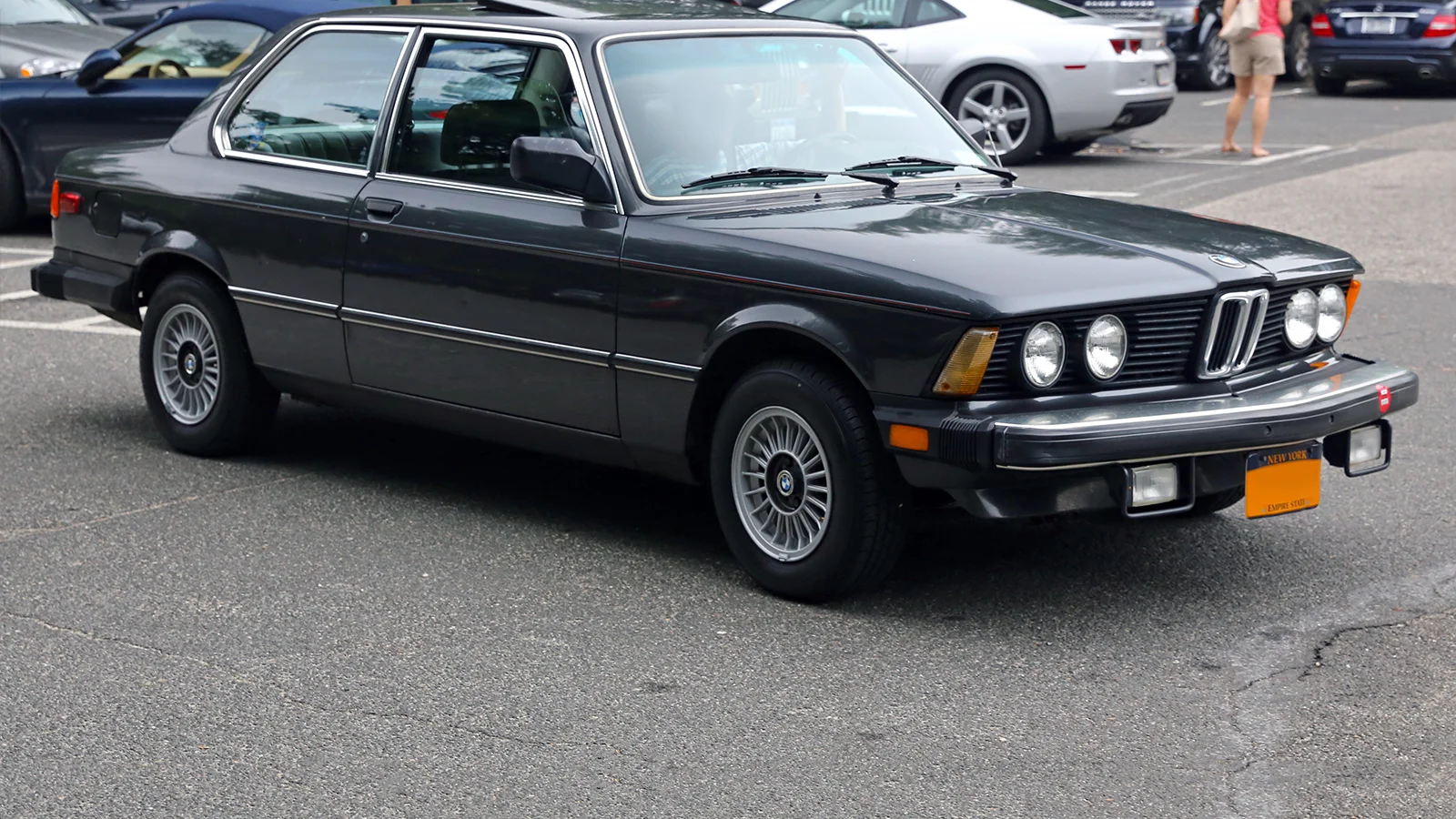
As you might imagine, having bumpers placed on front of a supercar can diminish the cool factor just a smidge.
Described as ‘good intentions, ugly consequences’ by Autoblog, the design changes have cast a controversial shadow over automotive history.
Because European regulations at the time weren’t as assertive, a lot of European manufacturers weren’t dab hands when it came to bumpers.
As a result, a lot of the European cars came to the US with blockier bumpers – whereas Japanese manufacturers did a better job at integrating them into the design of their cars.
These days, bumpers are but one part of a car’s crash management system, which also includes foam, crumple zones, and collision avoidance systems.

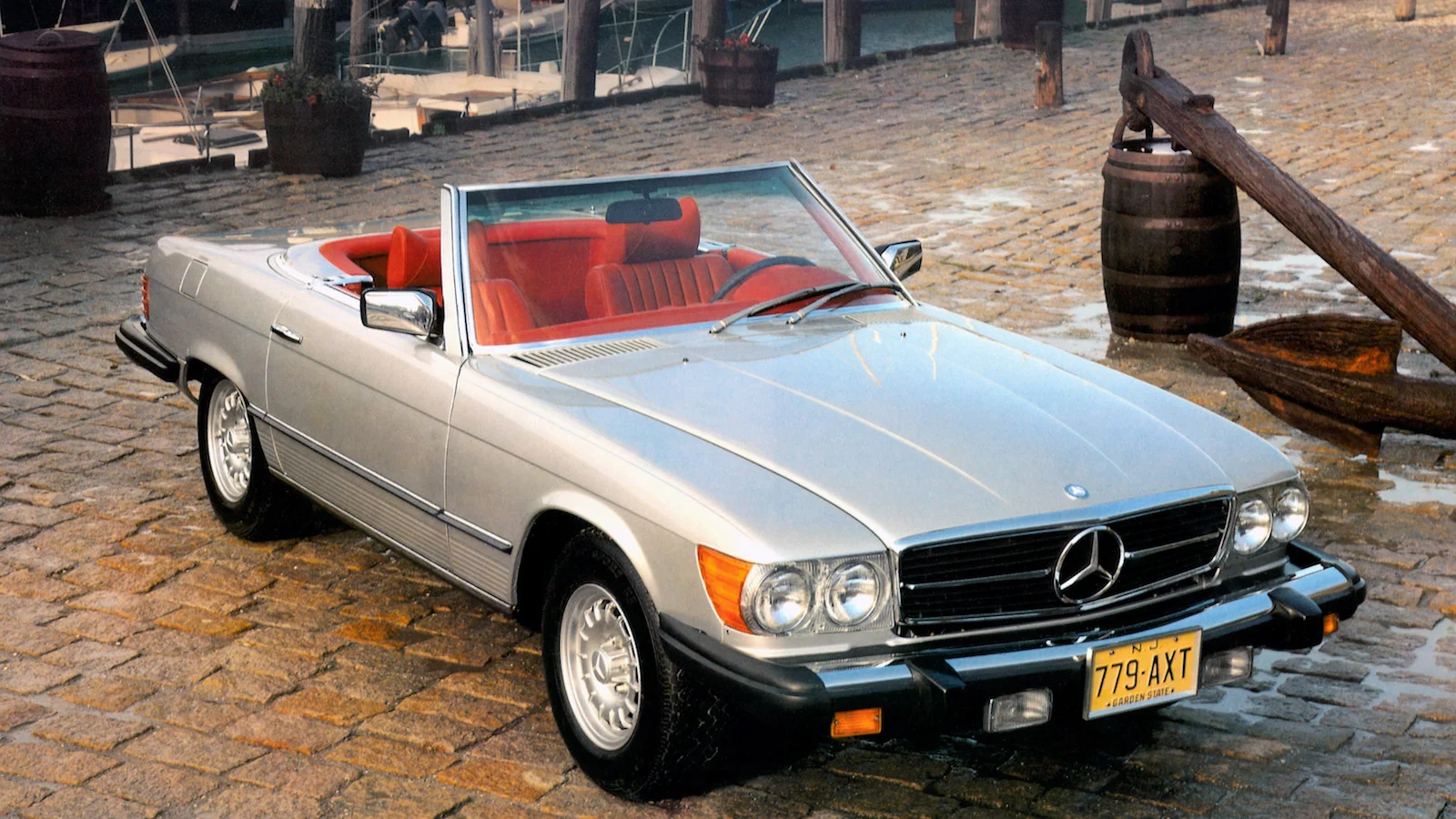
Car fans online certainly had a lot to say about how US spec can affect a car.
“Literally ruined every car,” one fumed.
“Better make a list of cars that look better in US spec…zero!” another ranted.
It’s certainly a divisive topic, but you would have to concede that there were good intentions at the heart of this.
Ben joined Supercar Blondie in February 2025 after being published by international organizations including LADbible, The Sun, the New York Post, and the Daily Mail. He covers supercars, rare and collectible vehicles, aviation, luxury assets, and the fascinating people behind them. His reporting has explored everything from seven-figure supercars and historic Ferrari collections to unusual aircraft adventures and extraordinary automotive discoveries from around the world. Ben has also gained first-hand insight into vehicle craftsmanship and customization, including visiting specialist workshops to see bespoke vehicles up close.