The Kosmera hypercar doesn't just go fast, it makes you a faster driver through a Formula 1-style AI race engineer and real time AR guidance
Published on Mar 05, 2026 at 9:30 PM (UTC+4)
by Henry Kelsall
Last updated on Mar 06, 2026 at 3:04 PM (UTC+4)
Edited by
Amelia Jean Hershman-Jones
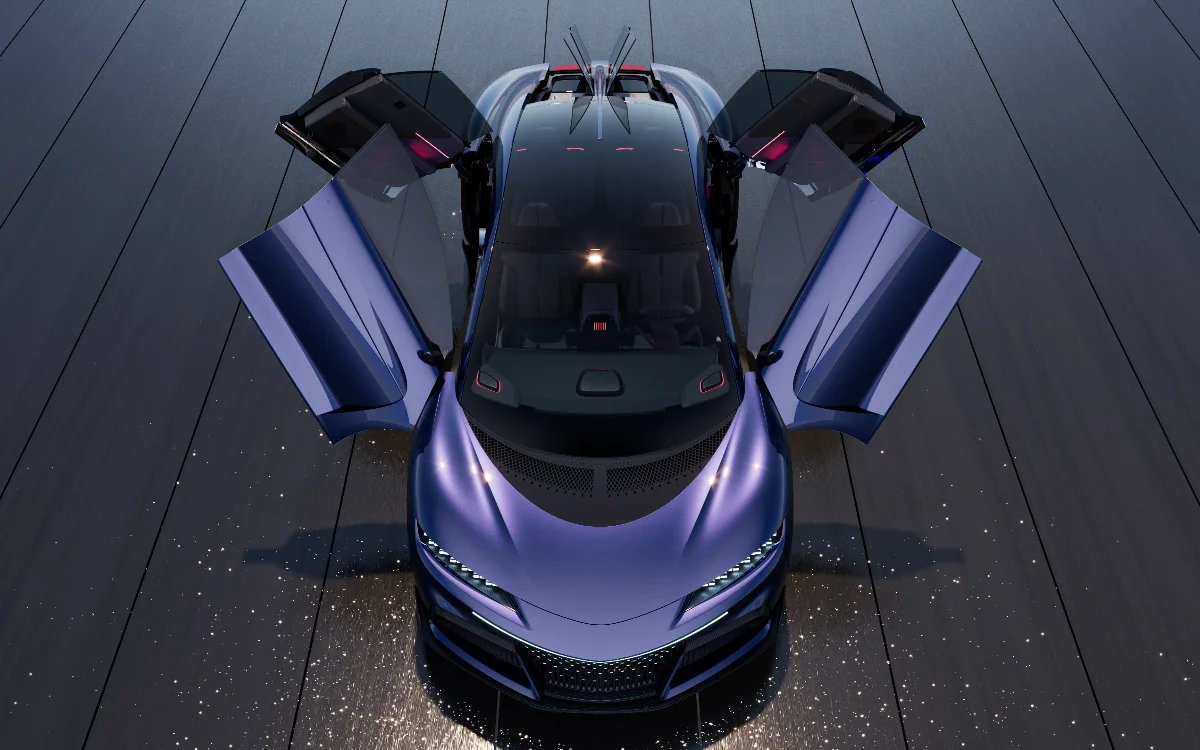

Vacuum-maker Kosmera caused a bit of a stir early in 2026 when they revealed two hypercar models, the Star Matrix and Star Razer EV hypercars.
Kosmera is a brand owned by Dreame, a Chinese company more famous for making vacuum cleaners than it is electric hypercars, so it certainly got people talking.
It ultimately plans to build just one production car, but not only will it be fast, but the company plans to integrate a Formula 1-style AI race engineer into the car.
So does that mean that the car will help you to go even faster on a racetrack? Read on to find out how it works.
Click the star icon next to supercarblondie.com in Google Search to stay ahead of the curve on the latest and greatest supercars, hypercars, and ground-breaking technology
How the Kosmera AI will make a driver faster
According to the company, the AI driving coach blends in with an augmented reality (AR) guidance system.
Together, they act like a race engineer and coach the driver as we hear from an F1, IndyCar, or NASCAR pit wall.
“The AI Coach + AR Assistance represents Kosmera’s early-stage exploration of a human-centered driving intelligence system,” says the company.
As you are on track or on the road, the AI monitors vehicle dynamics, road conditions, and the driver’s behaviour.
Information gathered from the EV is then fed to the driver through the AR visuals.
That means it will be coaching you as you drive along.
But instead of a whole team of engineers analyzing you, the car itself does it for them.
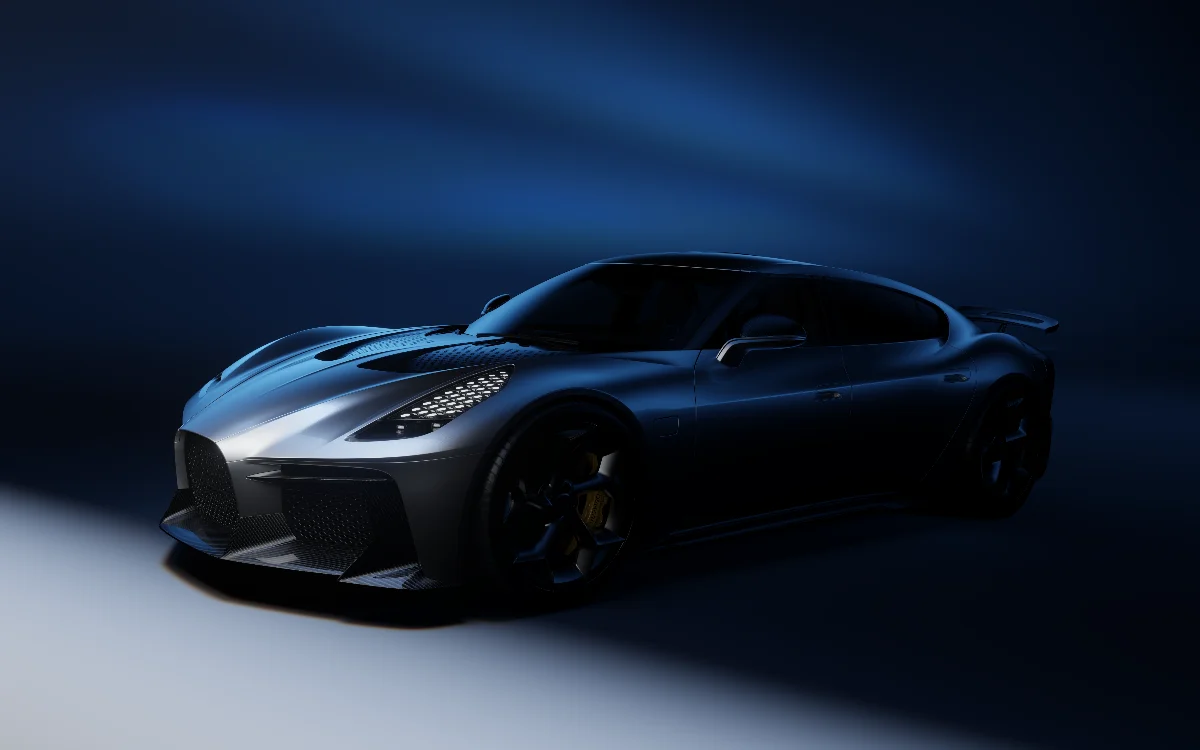
On top of that, the AI will also look at data from the hypercar’s sensors.
It then gives the driver guidance on the ideal racing line, braking points, acceleration zones plus potential hazards.
Think of it as an AI version of Gianpiero Lambiase, feeding back to Max Verstappen behind the wheel.
This is how the AR interface feeds information to the Kosmera’s driver
The AI needs a way to get this information across to the driver.
That is where the augmented reality side of things comes in.
The AR displays are positioned in front of the driver’s field of vision.
So rather than having to tilt their heads to check a screen, it is right there in front of them.
As well as providing information on the track, it could help with day-to-day driving, too.
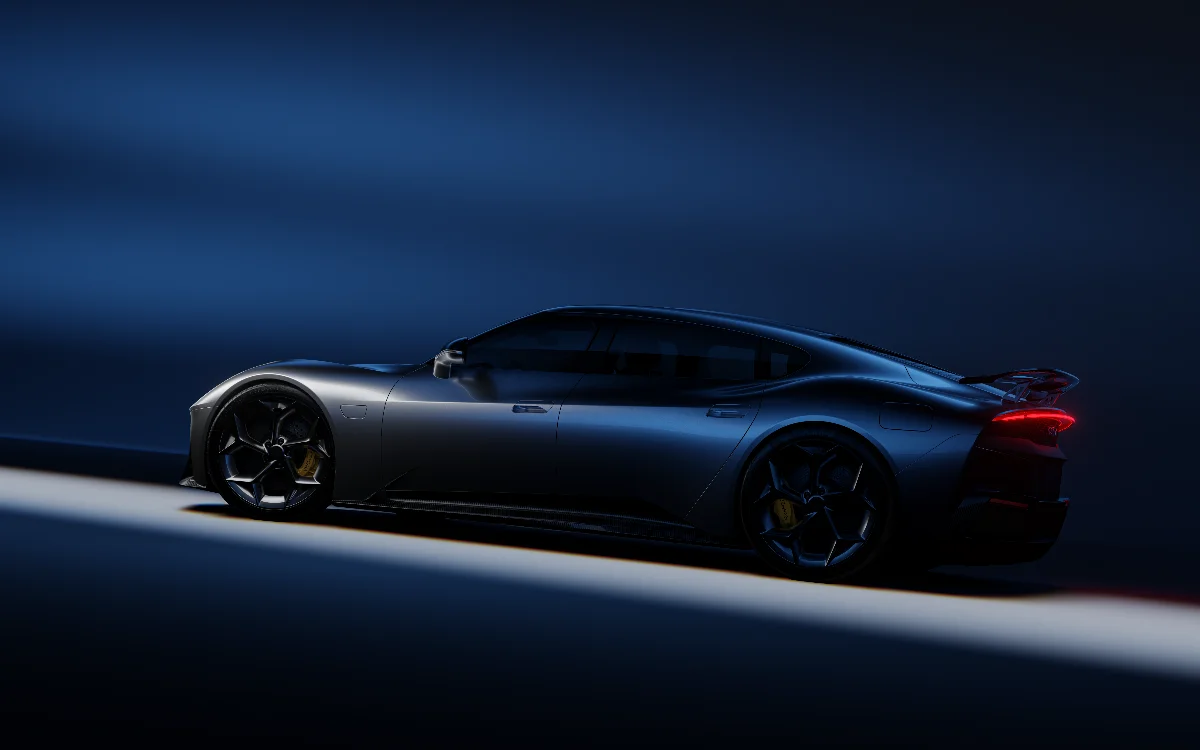
So things such as safety alerts or navigation information, like traffic, can be relayed to the driver directly.
It is like Google Maps or Waze on steroids for the EV hypercar.
The information will be presented exactly where the driver needs it, without impeding their focus.
How the race engineer could make driving safer
These aren’t the only party tricks the software has up its sleeve, either.
For example, the software can monitor the driver’s condition, particularly on longer drives.
So the Kosmera will keep an eye on things like fatigue, how long you’ve been driving, and emergency alerts.
If it can sense tiredness, via eyes closing or slumping, it will be able to alert the driver.
In addition to that, the Kosmera hypercar suggests rest stops so you can pull in for some shut-eye.
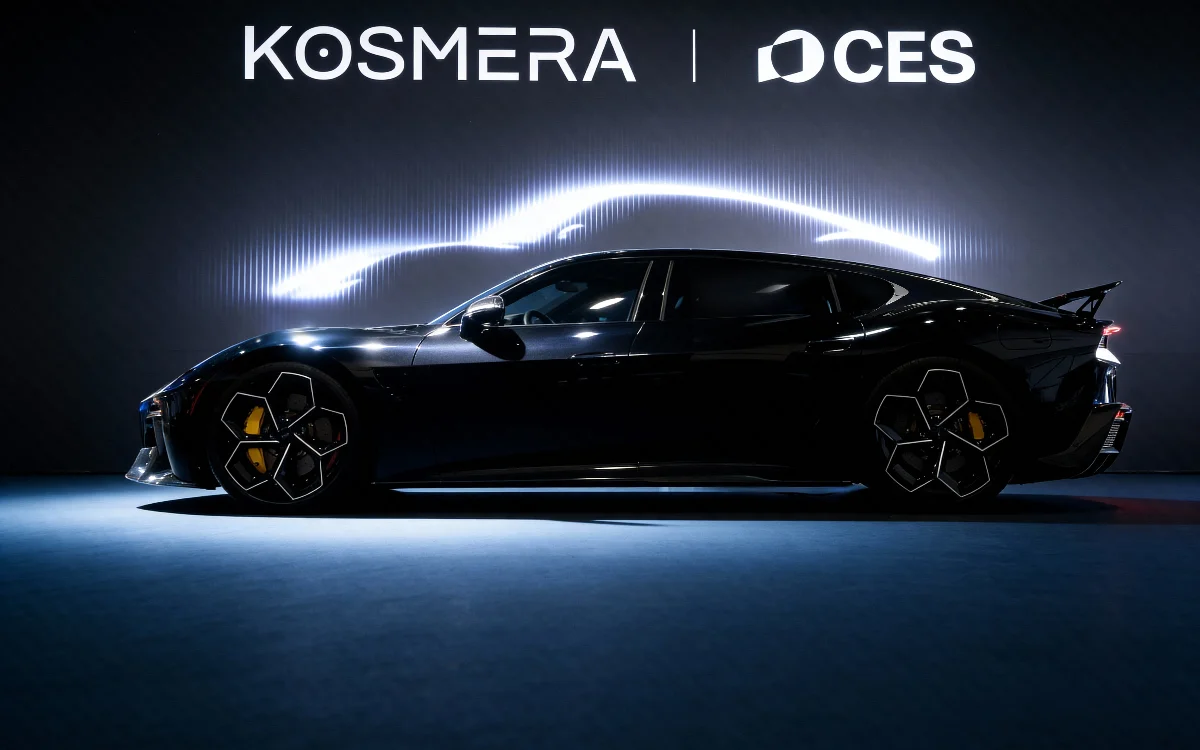
The company said it was ‘proactive, not reactive,’ so it won’t wait for you to have an accident before doing something.
There are other practical benefits too.
The AI can help navigate complex parking lots, keep an eye on blind spots, and much more.
Why this won’t replace the driver of the Kosmera
Don’t be fooled into thinking this is the end of the driver, however.
Kosmera aims to assist and support drivers, not replace them.
In fact, the Kosmera hypercar could almost become an extension of the driver and become an AI companion while they are on the move.
This all sounds very science fiction.
But given that there are cars with full self-driving capabilities, it really is part of reality.
Perhaps we will even be able to enjoy driving more with features like these.
Of course, the proof will be in the pudding when the Kosmera hypercar finally hits the roads.
We don’t quite know when that is, but hopefully, Kosmera’s dreams become a reality.
The Kosmera hypercars timeline
Aug 2025: Chinese appliance maker Dreame announces plans to enter the automotive industry and teases high-performance EV concepts resembling Bugatti-style hypercars
Dec 2025: The company confirms its new automotive brand, Kosmera, and announces that its first hypercar prototype will debut at CES 2026
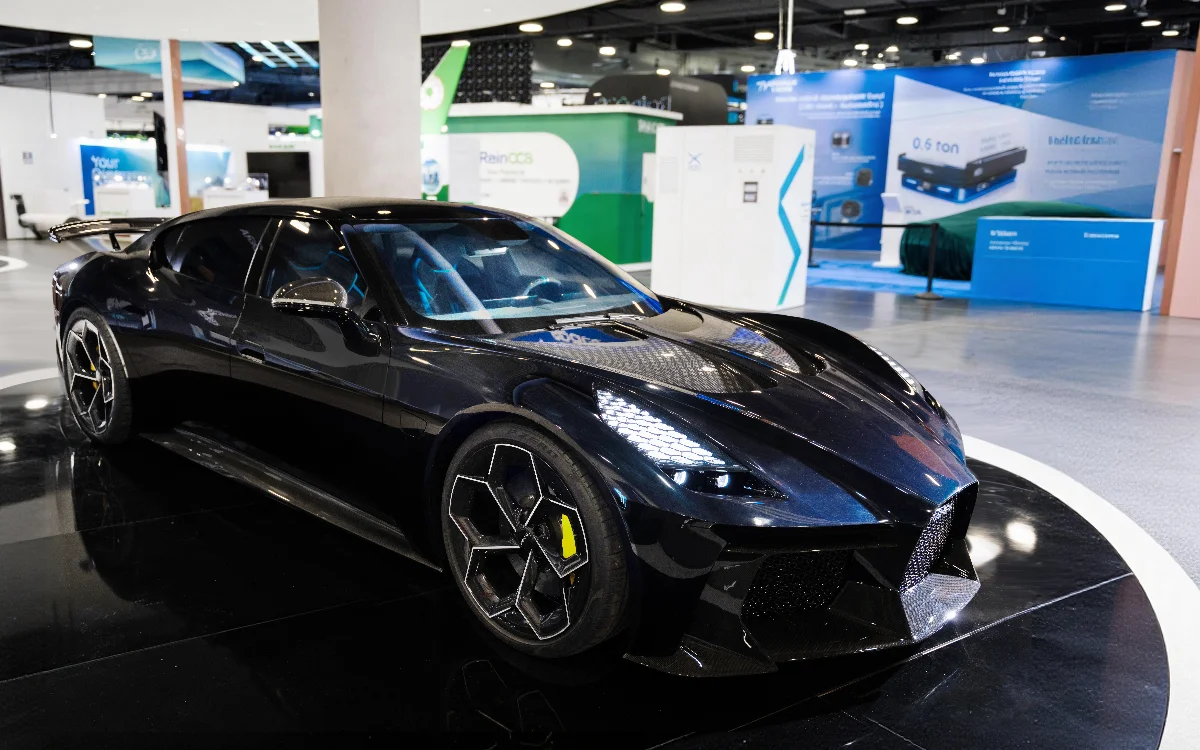
Jan 2026: At CES 2026, Dreame unveils the Kosmera Nebula 1, a four-door electric hypercar concept with a quad-motor drivetrain producing about 1,876hp and a claimed 0–62mph time of 1.8 seconds
2026 (ongoing): Kosmera hints at additional EV models and advanced tech (AI driving systems, active aerodynamics, ultra-high-speed motors), but many specs remain undisclosed
Target 2027: Dreame reportedly aims to start production or global launch of the Nebula-series hypercar around 2027, potentially supported by a planned factory in Europe
DISCOVER SBX CARS: The global premium car auction platform powered by Supercar Blondie
Henry joined the Supercar Blondie team in February 2025, and since then has covered a wide array of topics ranging from EVs, American barn finds, and the odd Cold War jet. He’s combined his passion for cars with his keen interest in motorsport and his side hustle as a volunteer steam locomotive fireman at a heritage steam railway.