Kosmera and it's most mind blowing concept yet puts Neuralink to shame with a hypercar that reads your brain and senses danger before you act
Published on Mar 06, 2026 at 6:55 PM (UTC+4)
by Henry Kelsall
Last updated on Mar 09, 2026 at 7:56 PM (UTC+4)
Edited by
Henry Kelsall
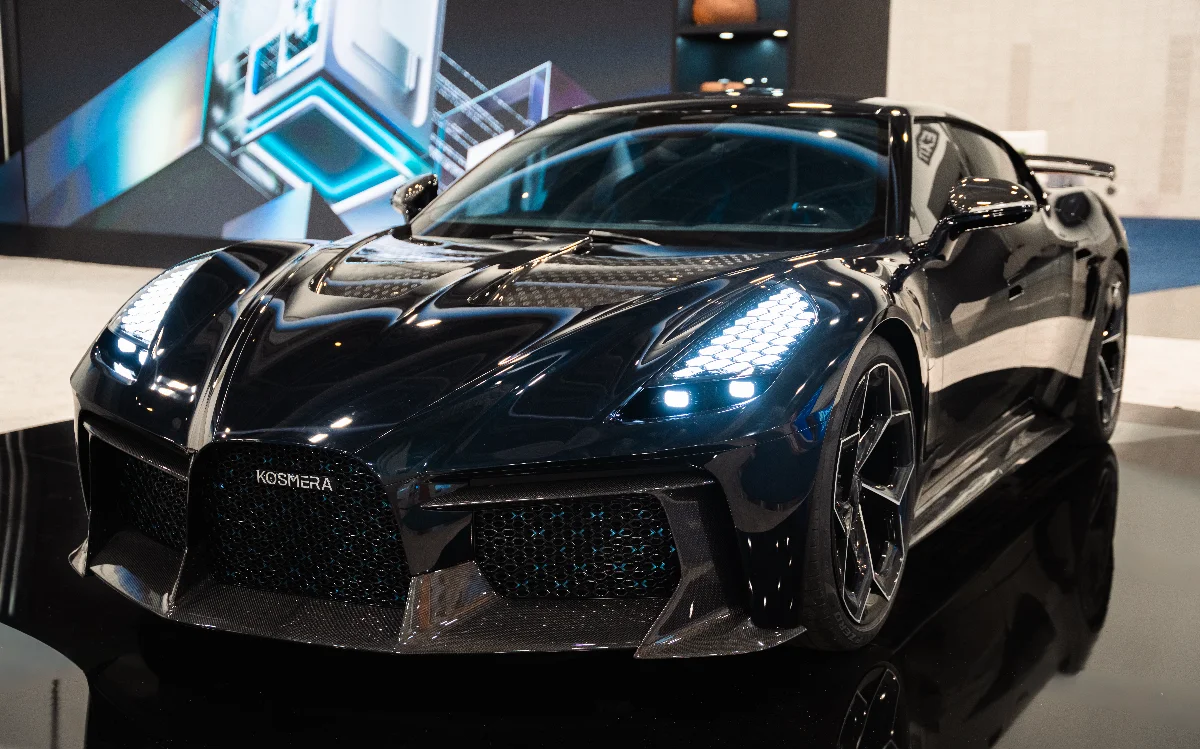

Chinese vacuum brand Dreame caused a stir early in 2026, when they announced a new EV hypercar project under the Kosmera brand name.
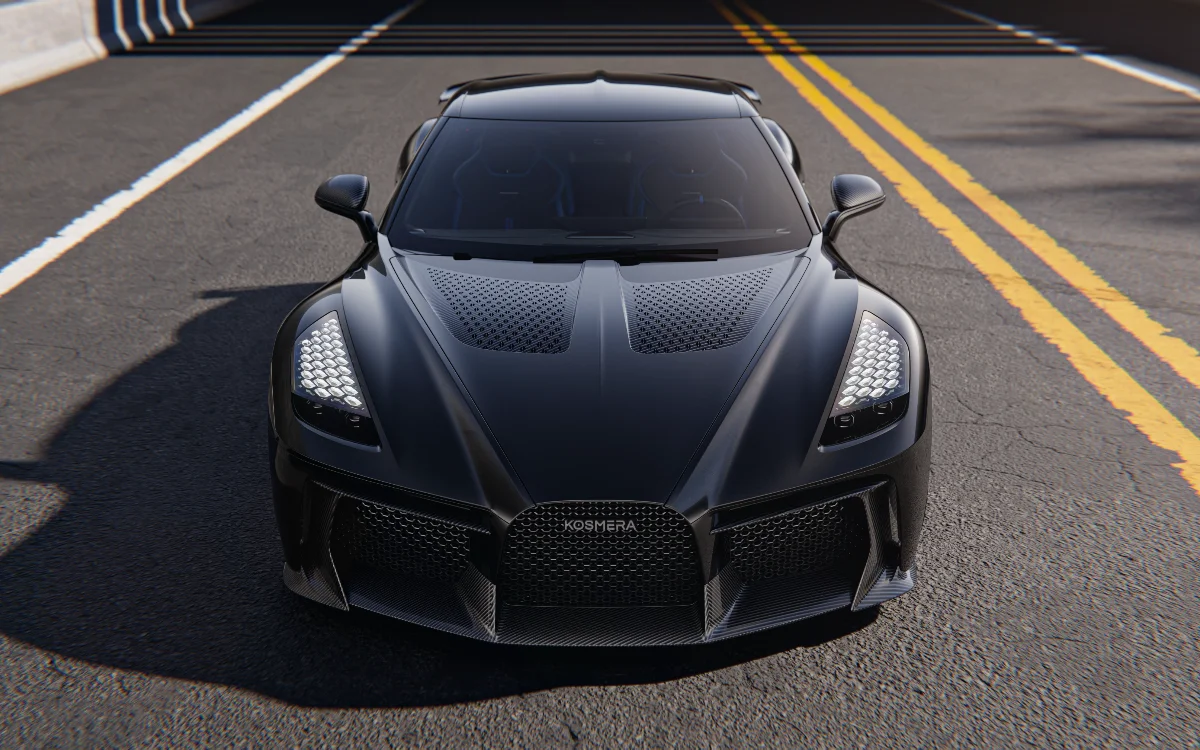
That initially sounds like a mixture that can’t work, but in reality, the Star Matrix and Star Razer EV hypercars really caught people’s eyes, even if they did look very much like a Bugatti.
But not only will the final production model offer a lot of performance, but its new Neuro-HMI research looks to take Neuralink’s ideas further than anyone has ever imagined.
You could say it puts them to shame, as the company aims to make its cars respond to human intention.
Click the star icon next to supercarblondie.com in Google Search to stay ahead of the curve on the latest and greatest supercars, hypercars, and ground-breaking technology
This is what Neuro-HMI actually means
It might sound like a minefield at first, but Neuro-HMI is quite simple to break down.
Neuro-HMI stands for neural human machine interface.
Breaking it down, what it means is that cars can interpret biological signals from drivers.
This would enable a car like the Dreame/Kosmera EV hypercar to respond to us ‘more intelligently’ according to Kismera.
“This is an early-stage exploration of Neuro-HMI, combining physiological sensing with AI interpretation,” said the company.
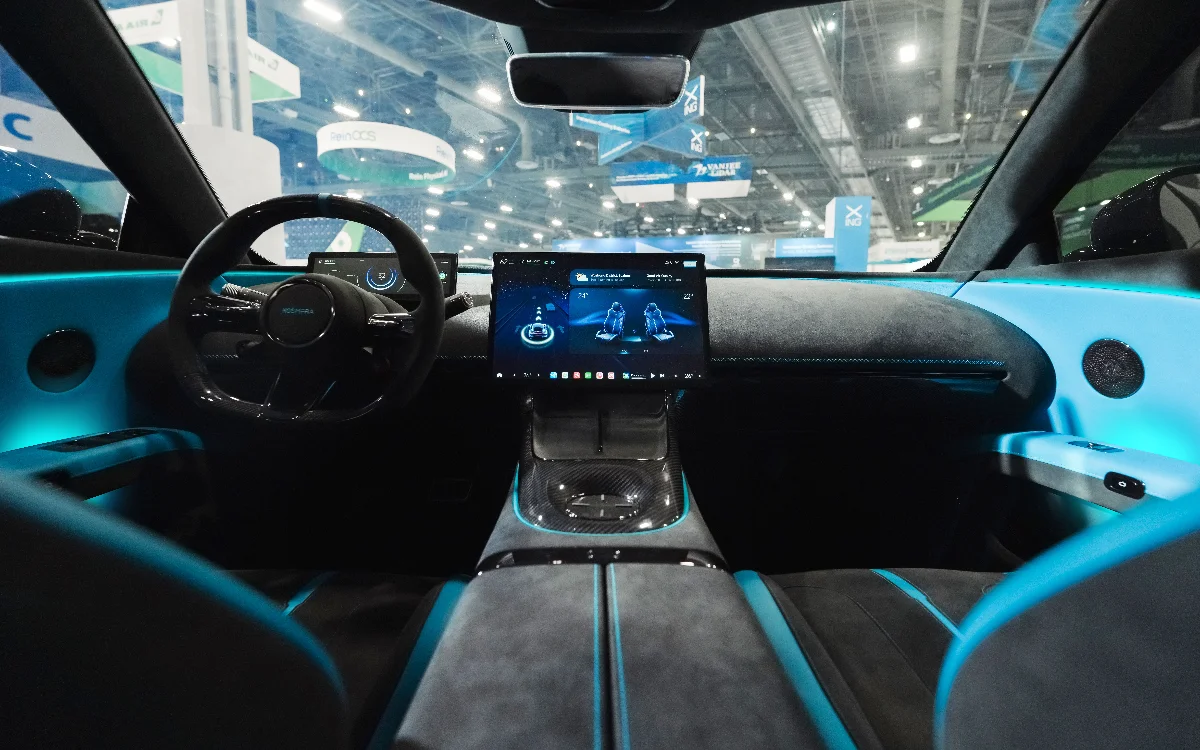
These sensors could monitor various aspects of us as we drive, and they could respond accordingly.
For example, the Kosmera could monitor our heart rate, fatigue levels, stress levels, and our attention load.
As well as being impressive from a technology aspect, these could have safety benefits too.
Nobody wants to fall asleep at the wheel, but if the system detects this, it could do something about it.
How Kosmera will implement Neuro-HMI into the hypercar
It all sounds impressive on paper, but how do you actually integrate this into a 2,000hp hypercar?
Well, Kosmera is thinking long and hard about how to do this.
For example, non-invasive EEG sensors in a headset or headrest are being contemplated.
Then there are biometric monitoring wearables, for example, a ring, or even motion sensors.
All of this would work in conjunction with AI interpretation, with the company also working on an AI race engineer.
The most impressive aspect of this is the idea of a predictive driver assistance feature.
Those EEG sensors could potentially detect if a driver is about to make a mistake.
It could then react proactively, not reactively, to stop it from happening.
For example, if it detects fatigue, the hypercar might suggest you take a break or adjust the cabin temperature.
If it works, it could help prevent a major accident.
In fact, the company is so confident that they said it could detect it even before a driver realizes they are tired.
This is what the future could hold for the Kosmera system
Not content with what it already has, Dreame/Kosmera is already looking to the future of the Neuro-HMI system.
One idea is what it calls an ‘Embedded Mind’ concept.
In theory, the hypercar could interpret the driver’s thoughts or intentions.
That might sound a little creepy, but it claims it could lead to ‘intention-based vehicle control’.
Maybe if you are angry with someone, it will drive you away from them to calm you down.
Perhaps less odd are the spatial augmented reality displays that could be on the way.
This has been explored in conjunction with the F1-style race engineer that the company has been developing.
Information will appear in a physical space around or in front of the driver.
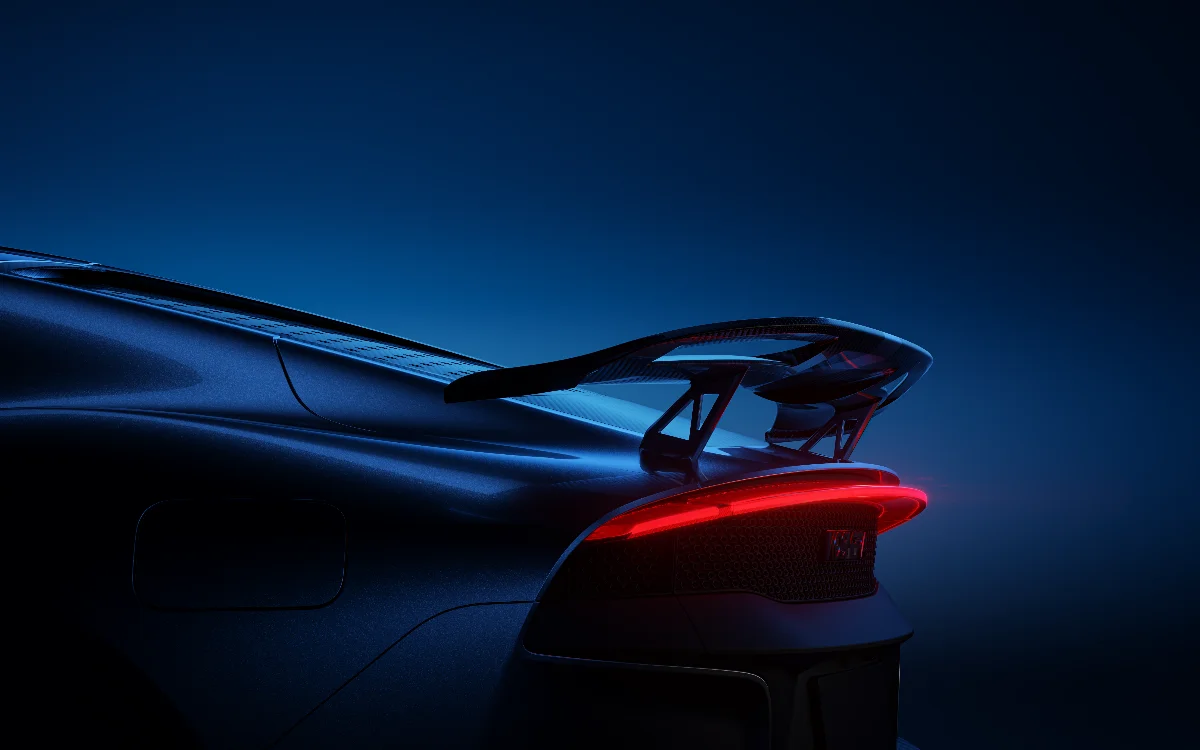
This includes features such as LED displays, information on the car, as well as safety alerts and navigation guidance.
For example, if heavy traffic is on your route ahead, it could tell you and alert you to a new, faster route.
All without the driver having to turn their head and look at a screen.
Why you shouldn’t get too excited for these features just yet
Kosmera, however, has stressed an important caveat here.
It has reaffirmed that these are all concept research ideas, and not confirmed features with the cars.
“These are concept studies, not production-ready features, aimed at exploring long-term possibilities for Kosmera’s intelligent cockpit,” said the company.
While being able to embed itself into our mind sounds a bit weird, some of these features are very intriguing.
The idea that a car might be able to read our thoughts and drive accordingly is a fascinating one.
But let’s wait and see, we want to see how fast the Dreame hypercare will go first.
The Kosmera hypercars timeline
Aug 2025: Chinese appliance maker Dreame announces plans to enter the automotive industry and teases high-performance EV concepts resembling Bugatti-style hypercars
Dec 2025: The company confirms its new automotive brand, Kosmera, and announces that its first hypercar prototype will debut at CES 2026
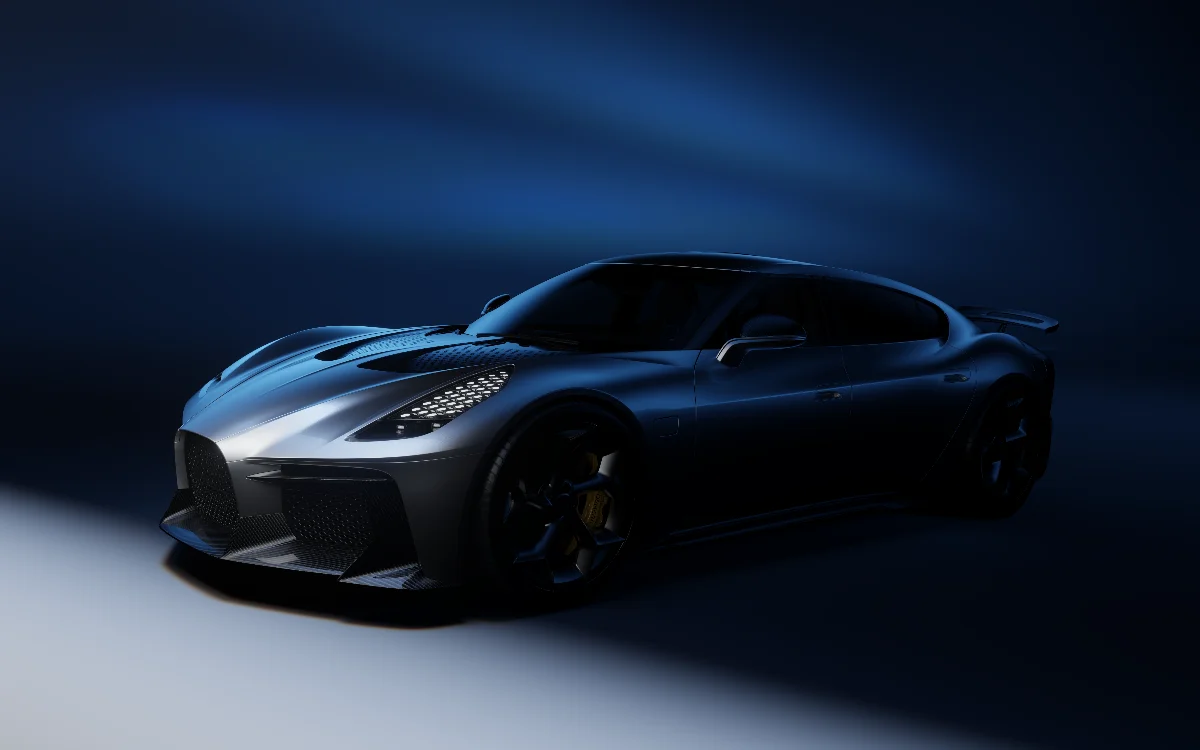
Jan 2026: At CES 2026, Dreame unveils the Kosmera Nebula 1, a four-door electric hypercar concept with a quad-motor drivetrain producing about 1,876hp and a claimed 0–62mph time of 1.8 seconds
2026 (ongoing): Kosmera hints at additional EV models and advanced tech (AI driving systems, active aerodynamics, ultra-high-speed motors), but many specs remain undisclosed
Target 2027: Dreame reportedly aims to start production or global launch of the Nebula-series hypercar around 2027, potentially supported by a planned factory in Europe
DISCOVER SBX CARS: The global premium car auction platform powered by Supercar Blondie
Henry joined the Supercar Blondie team in February 2025, and since then has covered a wide array of topics ranging from EVs, American barn finds, and the odd Cold War jet. He’s combined his passion for cars with his keen interest in motorsport and his side hustle as a volunteer steam locomotive fireman at a heritage steam railway.