Wild simulation shows how long it takes the world's fastest military jet to cover Earth’s longest commercial flight route
Published on Nov 05, 2026 at 10:07 AM (UTC-5)
by Alessandro Renesis
Last updated on Nov 05, 2026 at 10:07 AM (UTC-5)
Edited by
Mason Jones
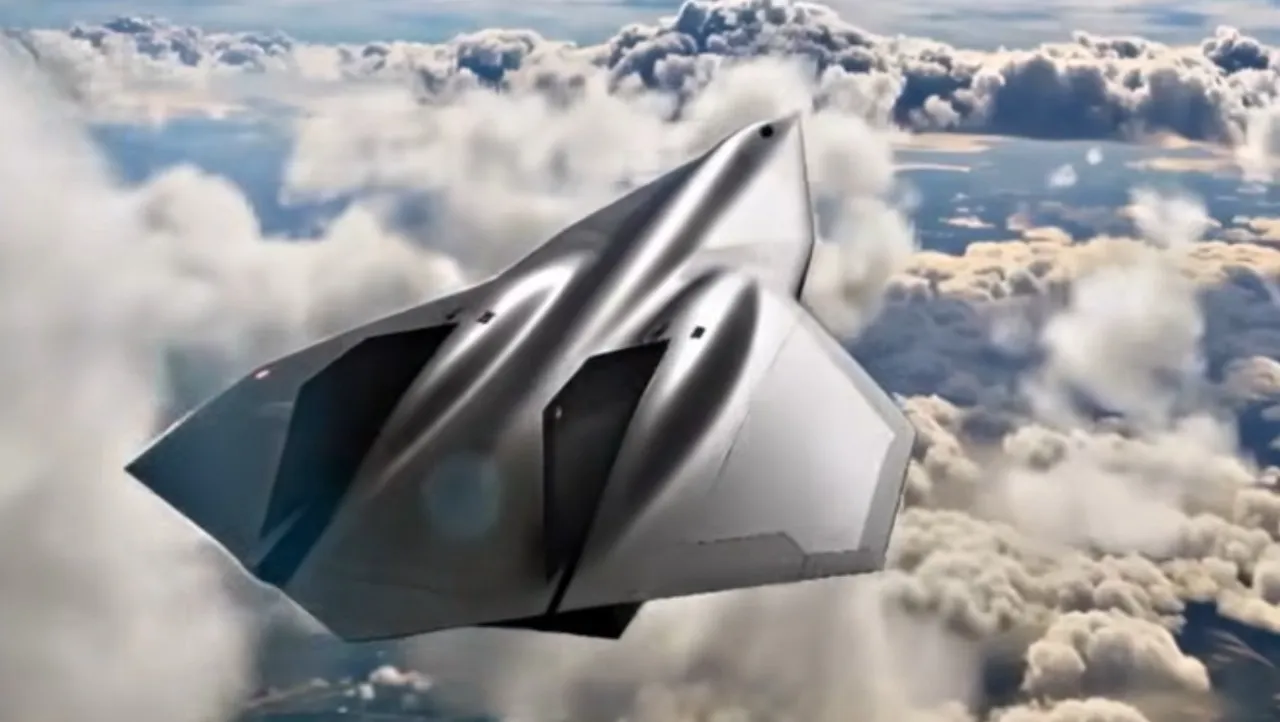

Somebody tried covering Earth’s longest commercial flight route with the world’s fastest jet and the result was breathtaking.
This was done in a flight simulator, so the results should be taken with a grain of salt.
But the theory and physics hold up.
There are only three minor things to consider if we had to nitpick.
How long Earth’s longest commercial flight route takes with the world’s fastest jet
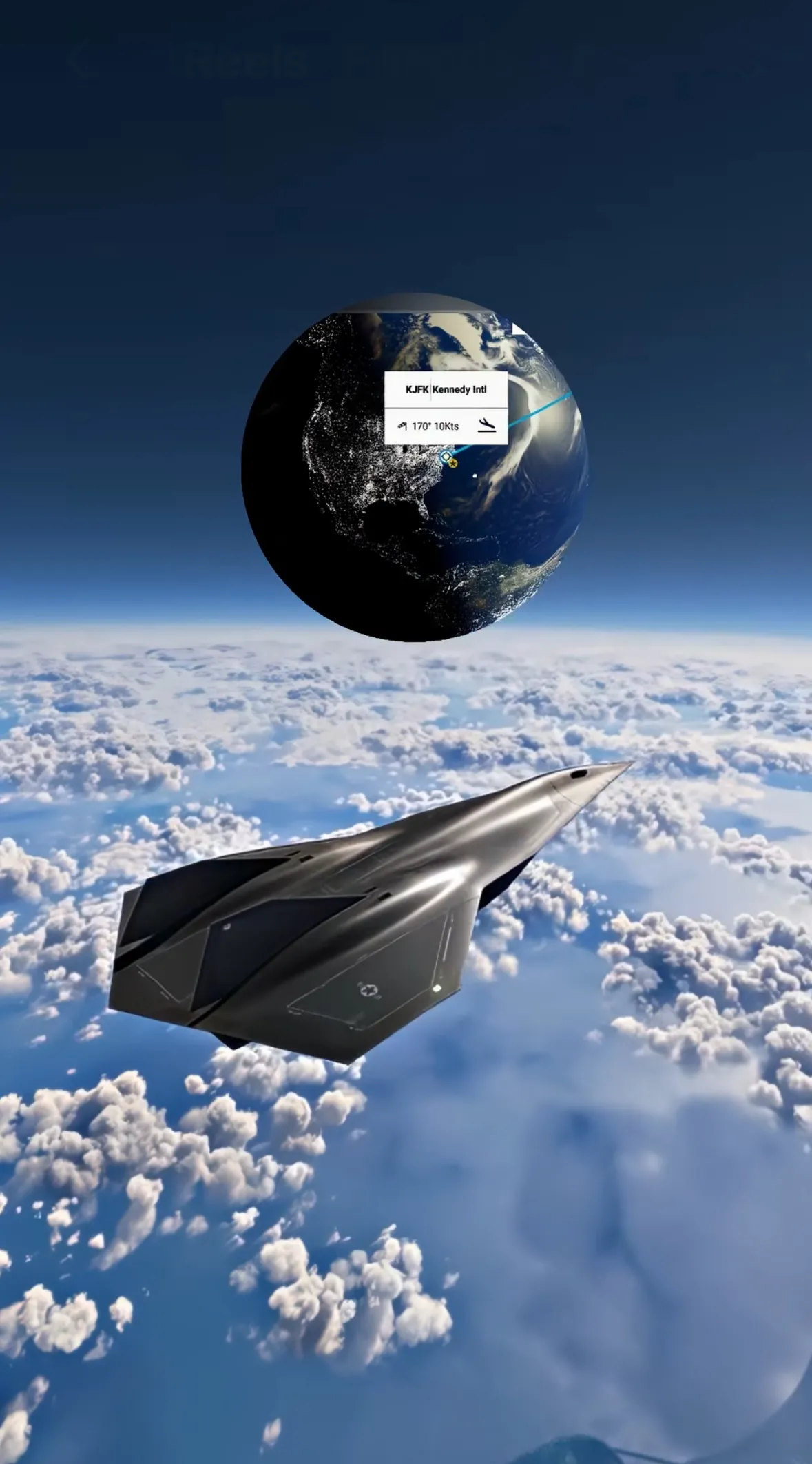
Using a flight simulator, somebody tried covering Earth’s longest commercial flight route – Singapore to New York – with the world’s fastest jet.
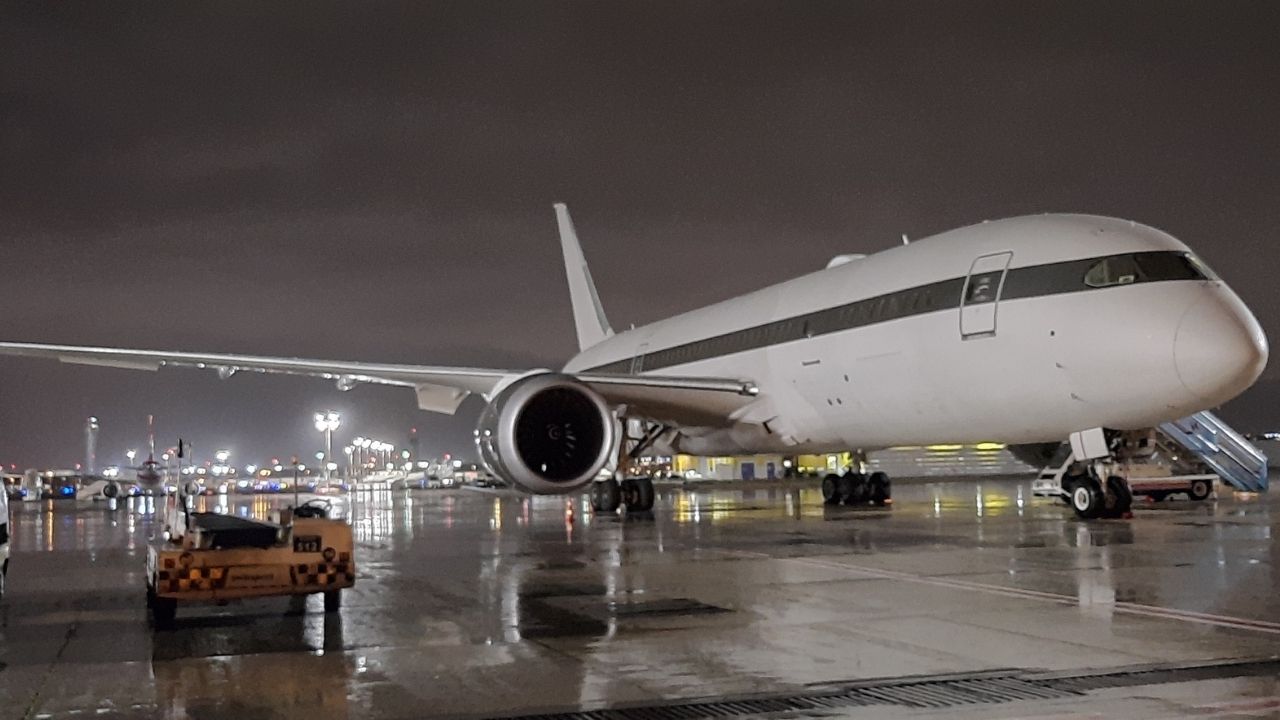
The route, operated by Singapore Airlines, generally takes around 18 to 19 hours using an Airbus A350-900ULR that can travel at up to 560mph – or Mach 0.85.
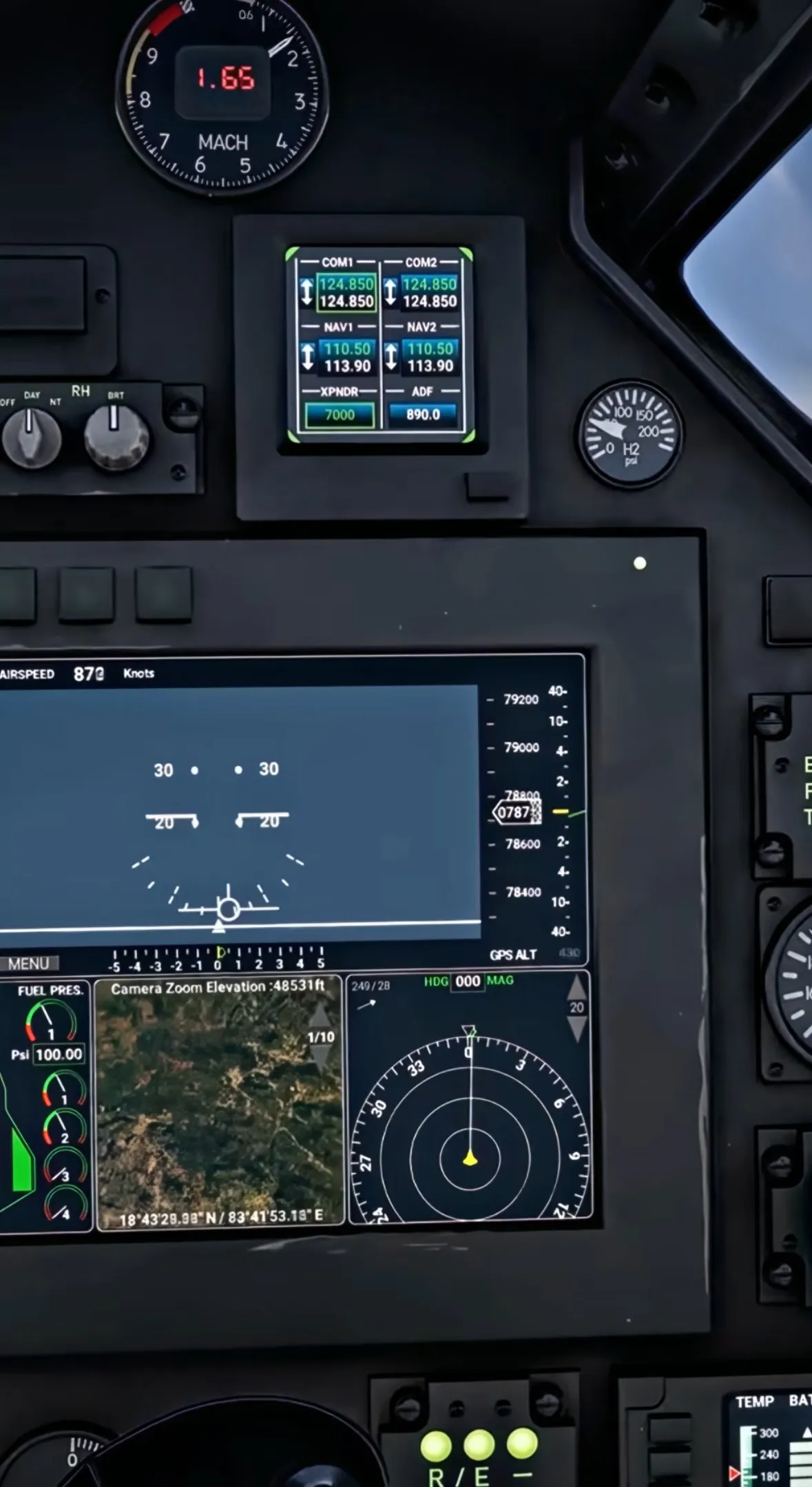
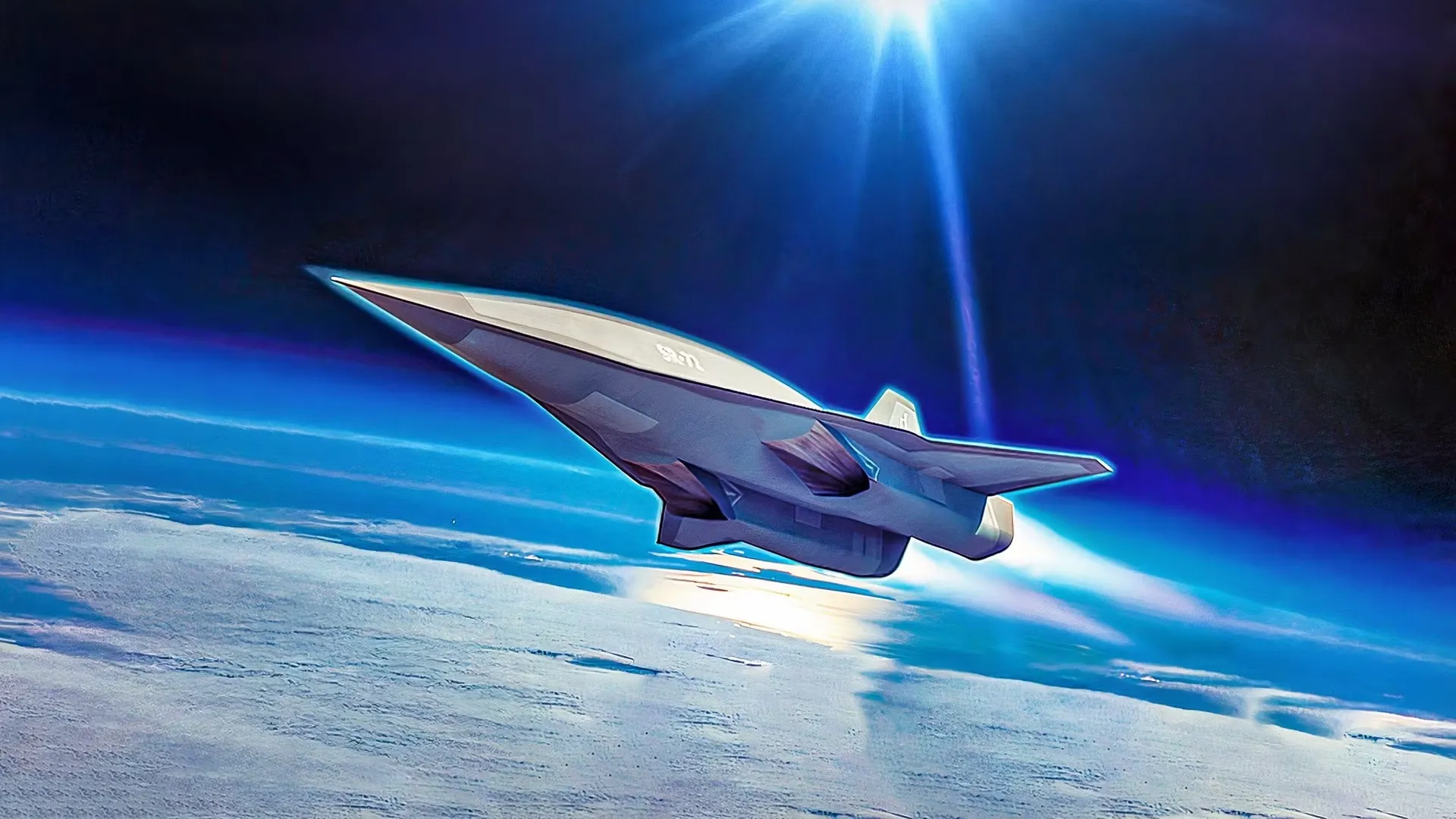
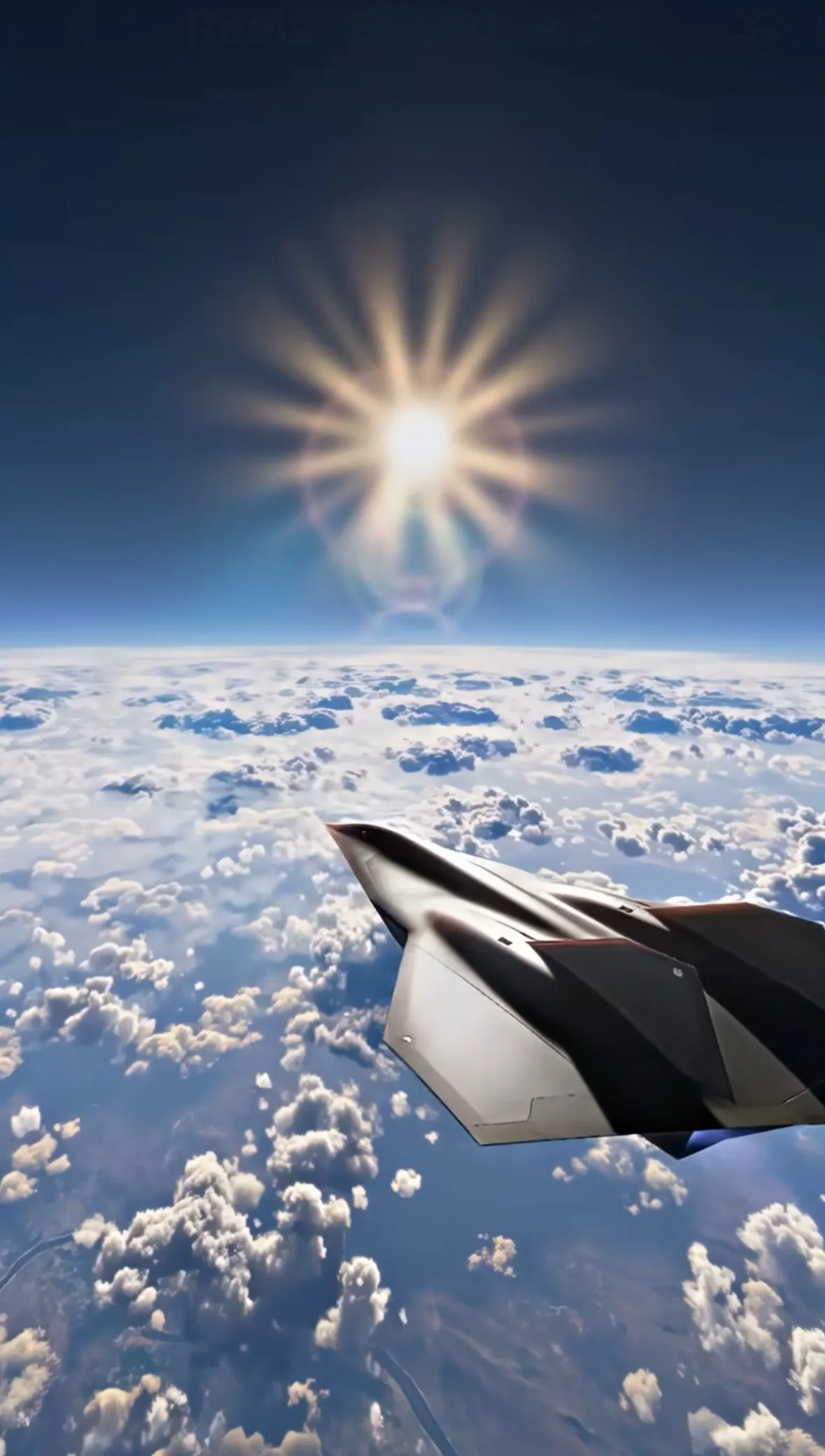
For this experiment, the gamer used the Lockheed Martin SR-72, which has a proposed top speed of 4,000+ mph – or Mach 6.
It took around 15 minutes to reach India, and less than an hour to reach over Europe.
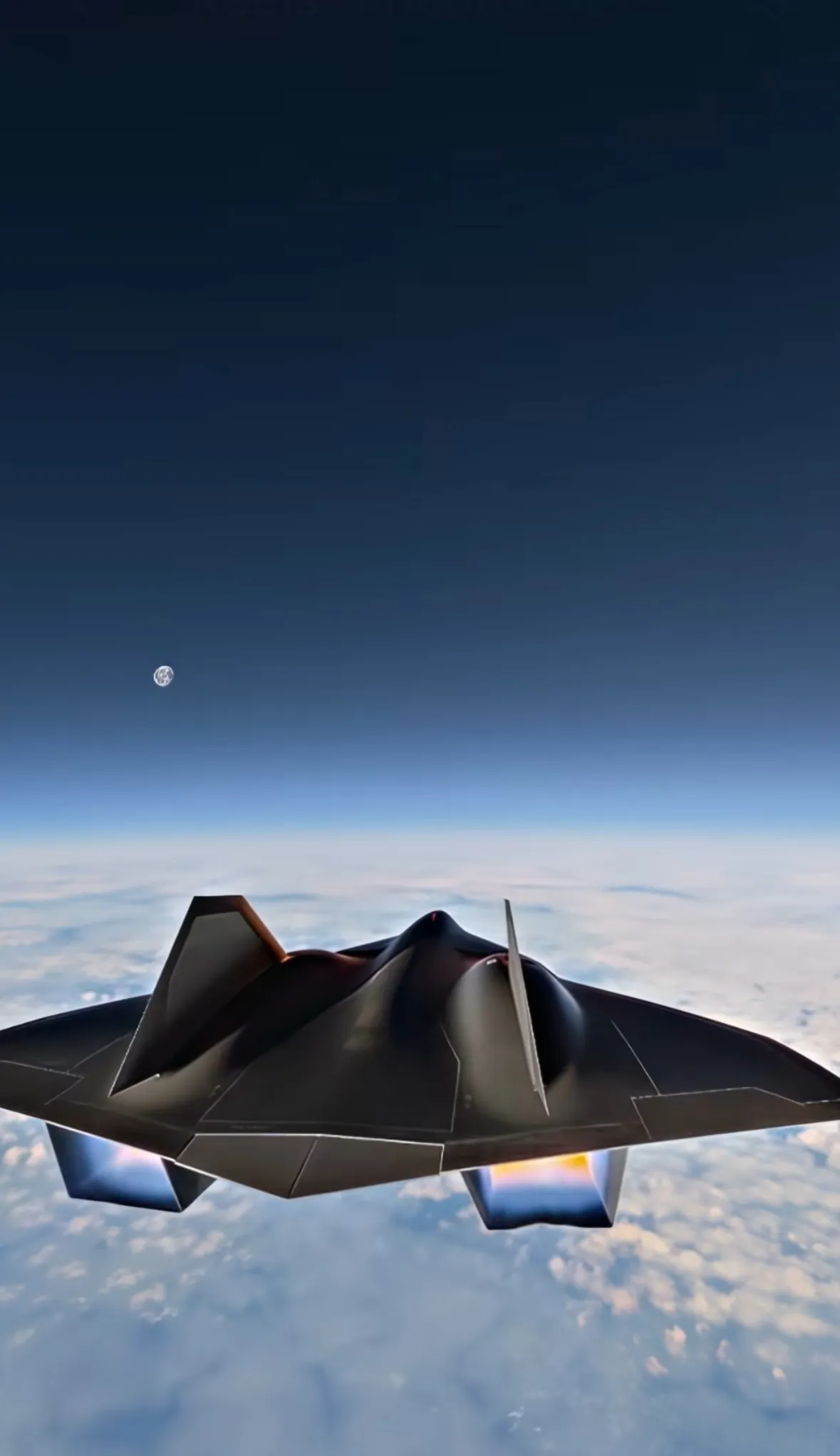
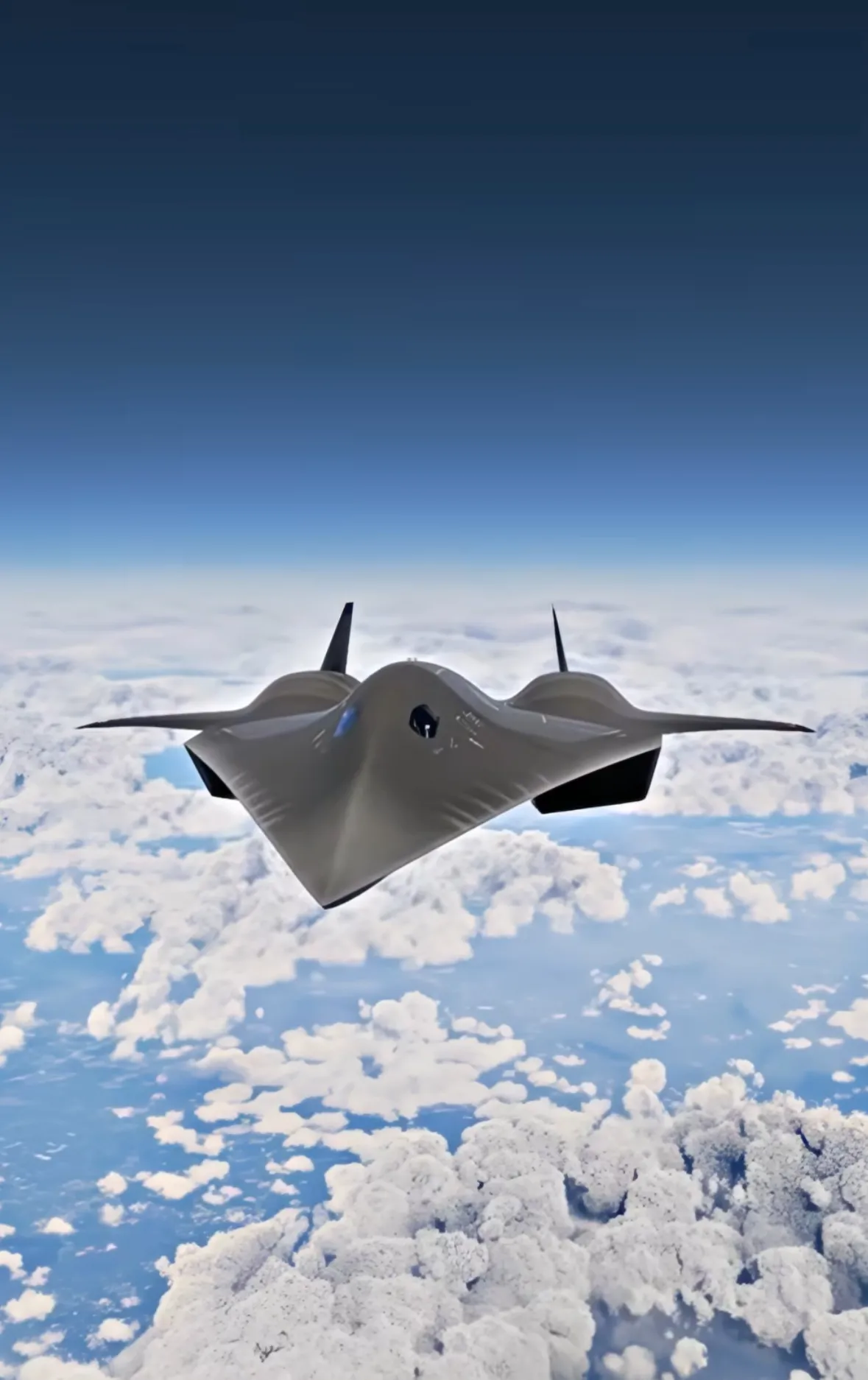
Crossing the Atlantic took another 20+ minutes.
In total, it took one hour and 34 minutes.
Imagine that.
This simulation created some confusion
For the latest technology stories, visit Supercar Blondie Tech
The video went viral, but the confusion in the comment section was completely justified.
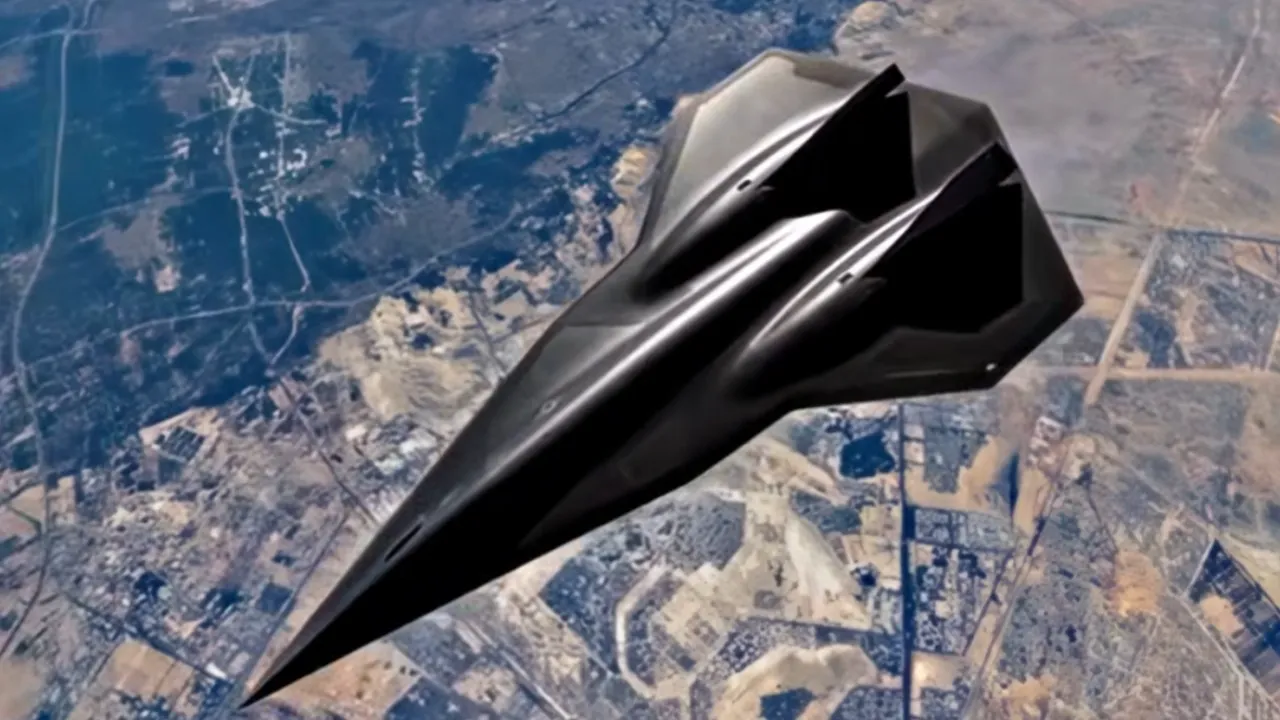
For starters, the voiceover (which sounds like an AI generation) referred to the aircraft as the ‘DarkStar’.
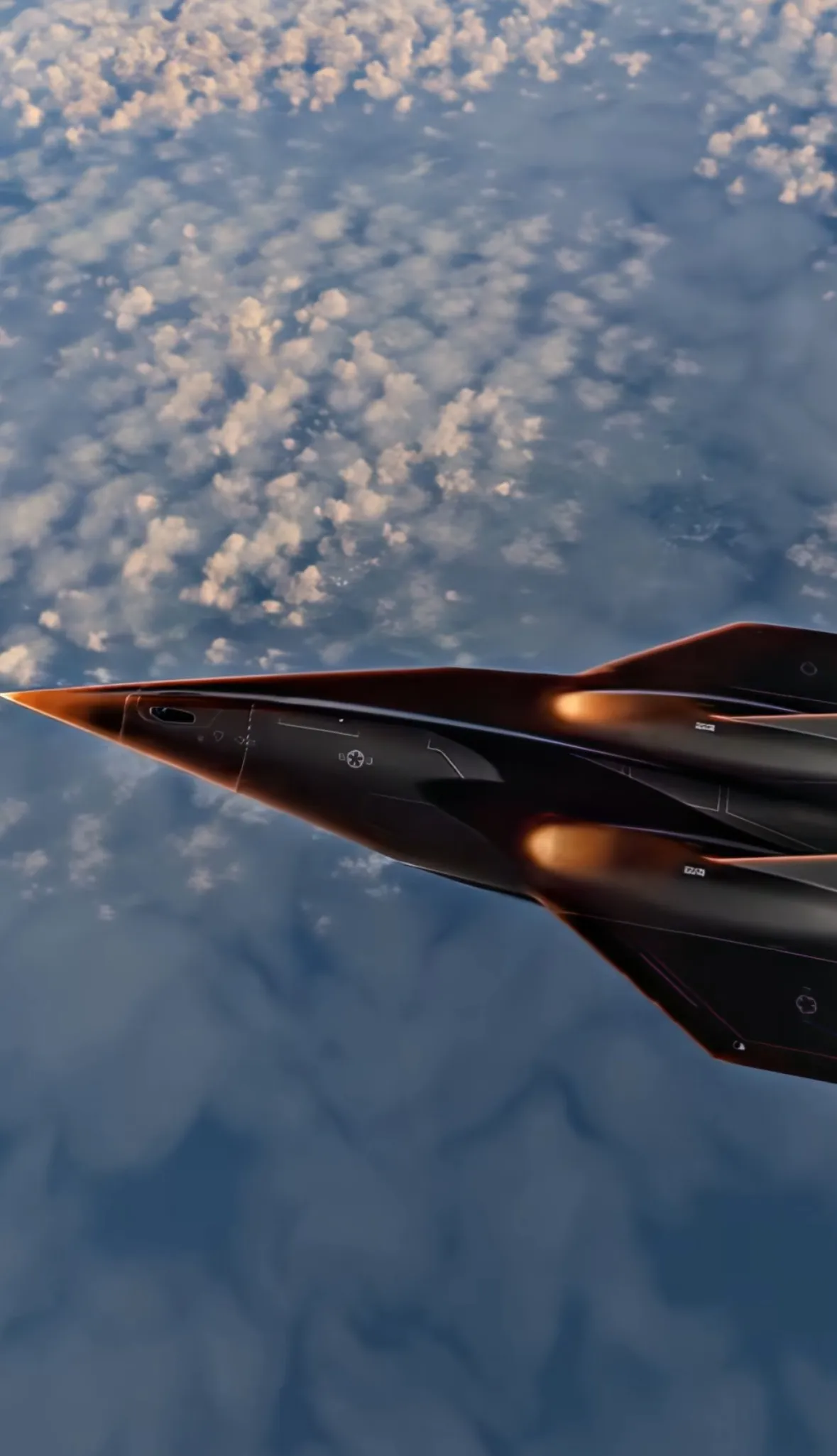
While the Lockheed Martin RQ-3 DarkStar does exist, it is an uncrewed reconnaissance drone that looks nothing like the sleek aircraft in the simulation – which was clearly modeled after the Lockheed Martin SR-72 ‘Son of Blackbird’, which in turn inspired the fictional Top Gun: Maverick concept.
Pictured below: the DarkStar concept used in the movie, inspired by the proposed SR-72 (above) jet
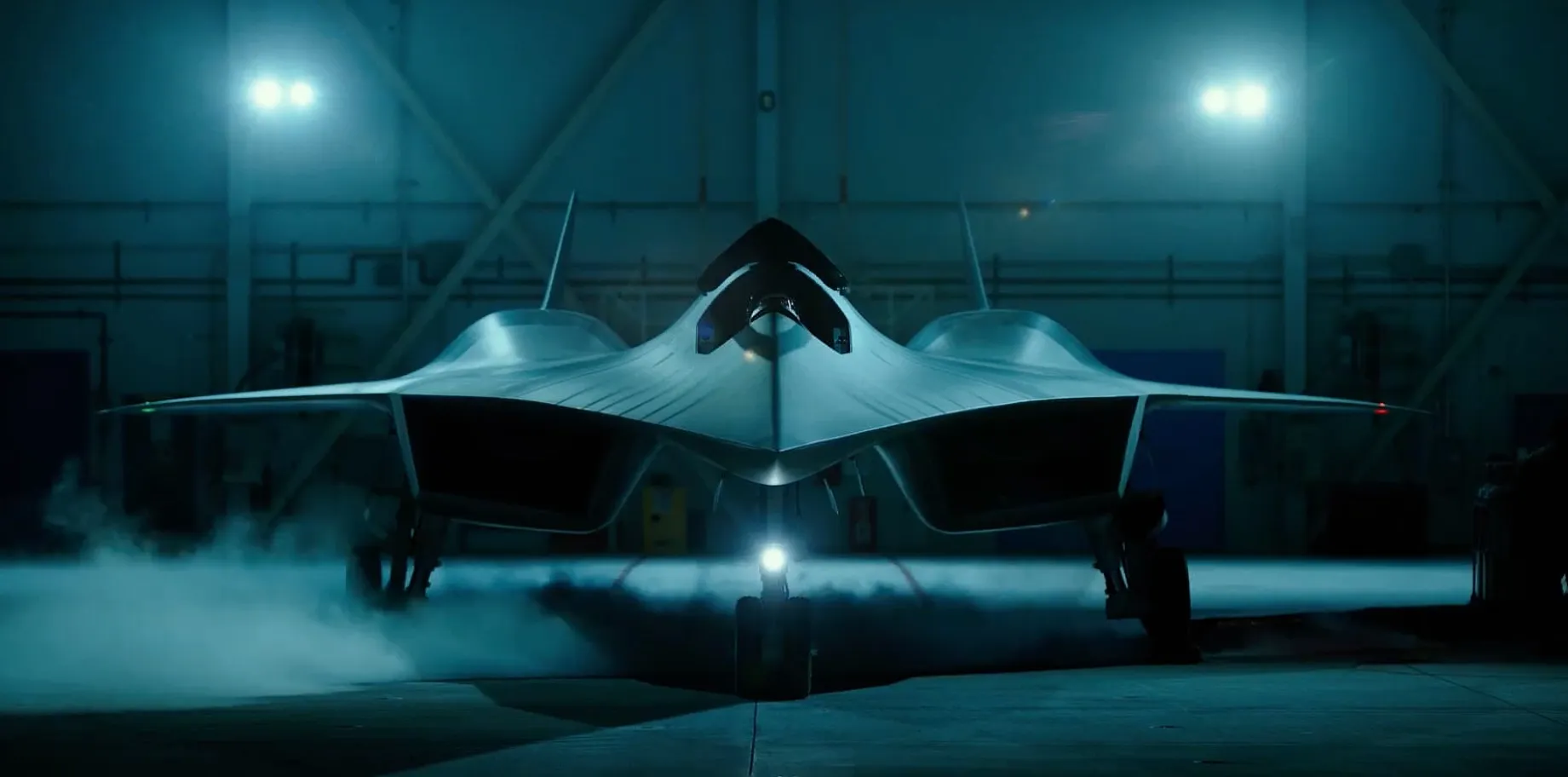
This brings up a second issue: the SR-72 remains a proposed, uncrewed hypersonic concept aircraft.
It doesn’t physically exist yet, and it is uncertain if it ever will in this exact form.
So if someone wanted to reproduce this flight in the real world with an operational air-breathing jet, they would have to turn to the retired SR-71 Blackbird.
But even at its top speed of Mach 3.3, the (retired) jet lacked the range to make the 15,000km trip without multiple aerial refuelings.
The fastest operational jets still in active service – such as the Mikoyan MiG-31 ‘Foxhound’ and the Boeing F-15 Eagle – can reach speeds between Mach 2.5 and Mach 2.83.
Pictured below: the MiG-31, the fastest operational jet in the world at the time of writing
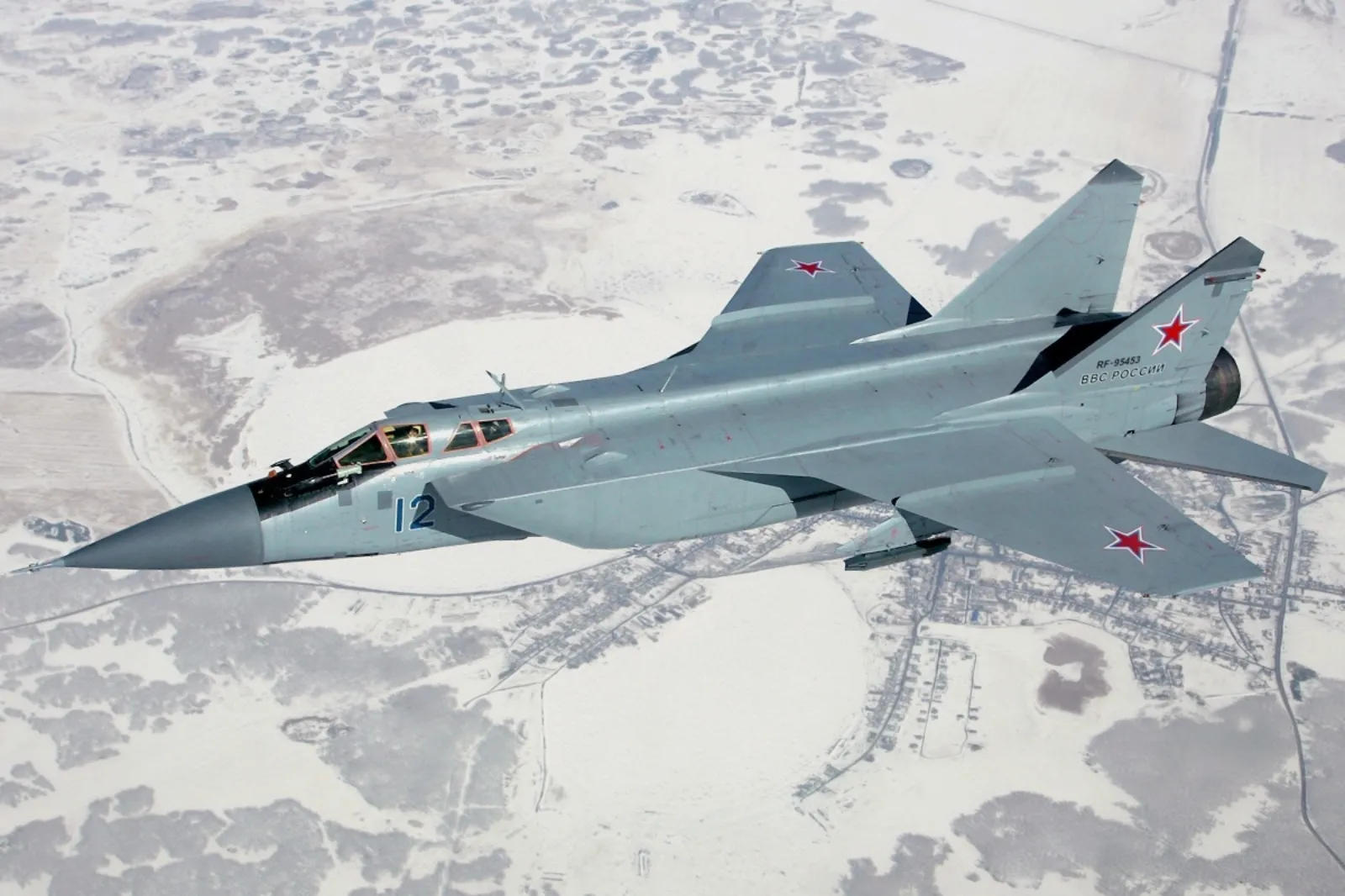
On paper, at max afterburner, they could cover that distance in around four hours, though their fuel tanks would dry up long before crossing the first ocean.
And there is a third detail to keep in mind: Singapore Airlines’ distance record is about to be surpassed.
Under its ‘Project Sunrise‘ program, Qantas is launching a non-stop route connecting Sydney to London using a specially modified Airbus A350-1000ULR, with flight times stretching up to 22 hours.
Why this simulation still matters
Even though there are endless practical and financial questions, simulations like this highlight a fascinating truth: the underlying physics of extreme high-speed travel are real.
They show how hypersonic speeds could one day drastically shrink our globe.
It means that in the future, scaling scramjet and advanced propulsion technology could easily cut standard flight times in half.
Realistically, however, commercial passengers won’t be flying from Singapore to New York in under two hours anytime soon.
While theoretically possible, doing so requires transforming experimental military concepts into ultra-reliable, fuel-efficient, and financially viable commercial airliners.
That breakthrough may eventually happen – but it is likely a story for our great-great-grandchildren to write about.
The best of Supercar Blondie, every Sunday
The week's best car stories, straight to your inbox. Free.
Alessandro is an automotive journalist with 10 years of experience covering supercars, automotive history, emerging vehicle technology, and luxury transportation. He wrote the first article published on SupercarBlondie.com when the website launched in 2022 and has since built a reputation for insightful reporting across the automotive and transportation industries. His expertise is grounded in hands-on experience. Alessandro has driven every Tesla model ever produced, from the original Roadster to the Cybertruck, and regularly covers the latest developments in electric vehicles and automotive innovation. His passion for transportation extends beyond cars, he has even flown a Boeing 787 Dreamliner simulator in Addis Ababa, Ethiopia. His reporting spans everything from classic American muscle cars and rare automotive discoveries to luxury yachts, private aircraft, high-end watches, and cutting-edge vehicle technology. Known for his deep knowledge of automotive history and ability to uncover the stories behind iconic vehicles, Alessandro brings readers a blend of historical context, technical expertise, and first-hand experience.




