Porsche is fighting back with new gas engines after admitting Chinese rivals are breathtaking
Published on Dec 20, 2025 at 12:13 AM (UTC+4)
by Jason Fan
Last updated on Dec 15, 2025 at 5:07 PM (UTC+4)
Edited by
Mason Jones

Porsche is making a renewed push for new gas engines, as part of their ‘Winning Back China’ strategy, after admitting that it’s being outpaced in China.
Once a status symbol in China’s luxury scene, the German automaker has watched sales slide at an alarming rate.
The numbers tell a sobering story, and even Porsche isn’t pretending this is a temporary dip.
Instead, the company is recalibrating its expectations, as well as its product plan.
SBX CARS – View live supercar auctions powered by Supercar Blondie
Porsche cannot deal with the low EV pricing in China
Porsche’s sales in China fell 28 percent in 2024 to just under 57,000 cars, and the downturn continued this year with another 26 percent drop through September.
Porsche China CEO Alexander Pollich spoke to German business newspaper Automobilwoche about the brand’s problems.

According to him, the problem isn’t a lack of appeal, but overwhelming competition.
China’s EV market is flooded with stylish, tech-packed electric sedans across nearly every price bracket, many of them from domestic brands that iterate at lightning speed.
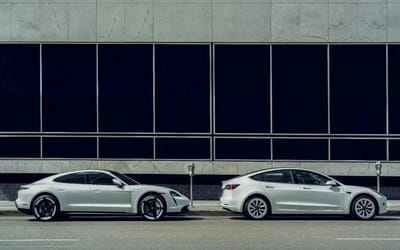
While the Taycan once stood out, now it’s only one option among dozens.
Adding pressure is a revised luxury tax policy.
The threshold was lowered significantly this year, pushing more Porsches into higher tax brackets.
This made the brand’s already expensive cars even harder to justify.
With the average Porsche in China originally priced below the threshold, the tax change hit right at the heart of its lineup.
In response, the company is trimming its physical footprint.
Dealerships will shrink from 150 locations last year to just 80 by the end of 2025, a clear sign the company is prioritizing profitability over presence.
Those remaining showrooms are now pinning their hopes on something unexpected: combustion engines.
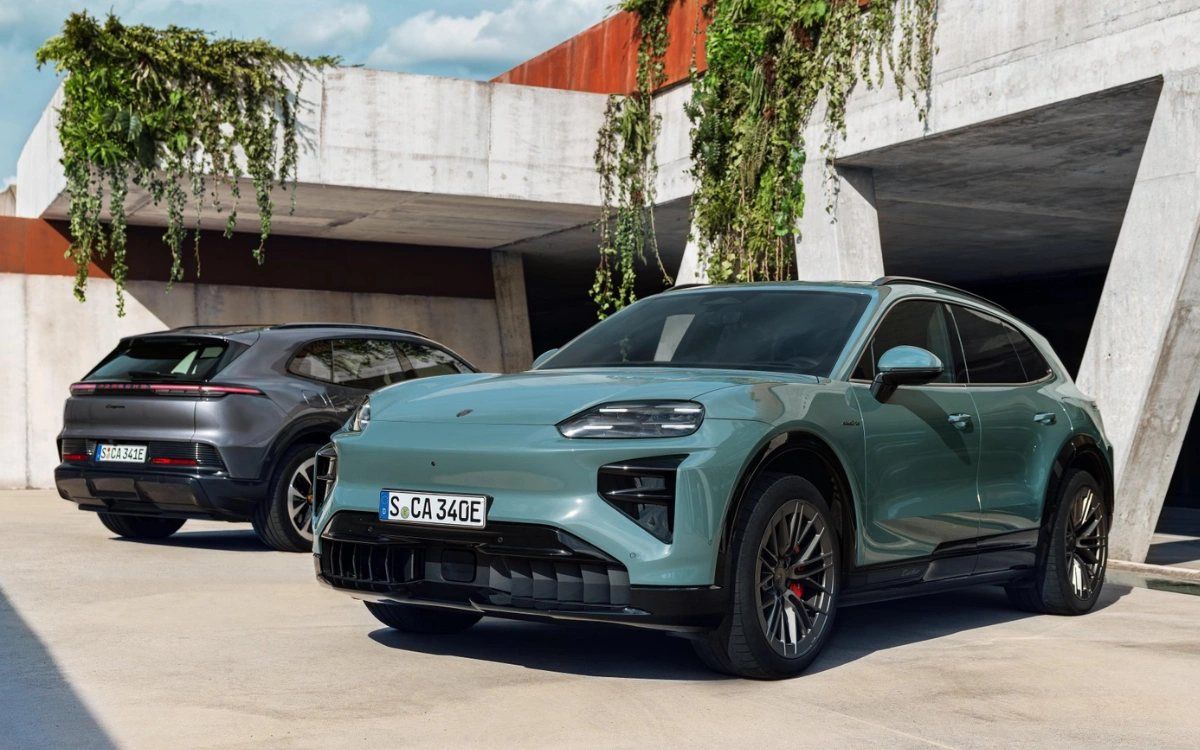
Under its ‘Winning Back China’ strategy, the carmaker will replace the original Macan with a new gas-powered SUV.
Its upcoming three-row model, which was once planned as an EV-exclusive, will launch with internal combustion first.
Other carmakers are also struggling in China
This doesn’t mean the brand’s EVs are going away entirely.
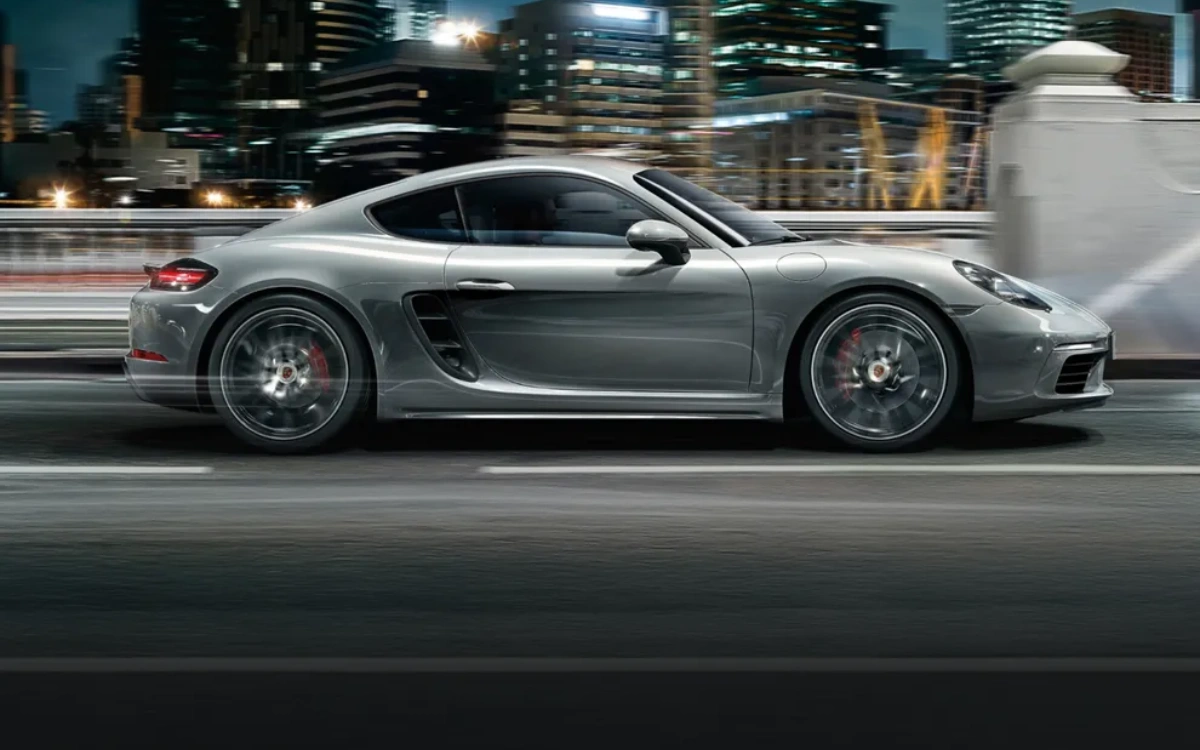
The Cayenne Electric and a fully electric 718 are still planned for China, though gas engines will remain available for the most powerful Boxster and Cayman variants.
Pollich warns that 2026 will be ‘challenging’, especially as these new SUVs won’t arrive until later in the decade.
He has also ruled out local assembly, unlike carmakers like Tesla, and also dismissed the idea of launching a spin-off brand, choosing focus over experimentation.
The German automaker isn’t alone in its struggle.
BMW, Mercedes-Benz, and Audi have all seen double-digit declines in China.
Local carmakers have caught up, and their EV pricing in particular is brutal.
For Porsche, rediscovering the roar of gas engines may be the edge it needs to stay relevant.
DISCOVER SBX CARS: The global premium car auction platform powered by Supercar Blondie