This is how much it costs to fly via private jet for a holiday trip and what it really works out to per person
Published on Nov 27, 2026 at 7:03 PM (UTC-5)
by Alessandro Renesis
Last updated on Nov 27, 2026 at 7:03 PM (UTC-5)
Edited by
Mason Jones

Several private aviation companies are trying to ‘democratize’ private jet travel, and specialized brokers are helping make it happen.
Until recently, private jets were almost exclusively the domain of ultra-wealthy individuals and corporate executives.
Now, with a few ifs and buts, almost anyone earning an average salary can fly on one—at least once.
And there’s another interesting alternative.
Why people are turning to ’empty-leg’ private jet flights
If you’re Cristiano Ronaldo or Elon Musk, you own your private plane, and it won’t go anywhere without you.

But most people don’t own those planes.
The average private jet user – including most celebrities – charters one.
When a plane flies from A to B on a one-way charter, it still has to fly back to its home base – or reposition for its next passenger.
Those empty-leg flights allow ‘regular’ people to fly private.
It’s still a splurge, but it’s doable.
Normally, flying private costs tens of thousands of dollars – even for relatively short trips – putting it well out of reach for the average person.
But with an empty-leg flight, you can bring that cost down to a few thousand dollars, which many people can afford as a one-off experience.
Better yet, the price doesn’t change if you bring more people on board.
A typical empty-leg flight from London to Paris on a six-passenger Embraer Phenom 300 costs around $4,000 to $5,000.
Bring five friends along, and in theory, you can each fly for less than $1,000.
Not cheap, but hey, we only live once.
The rise of dedicated apps

Over the last few years, we’ve seen the rise of dedicated apps tailored specifically for these flights.
JetBay, for example, recently shared a few figures showing how much it costs to fly across the US for Thanksgiving.
The US has one of the most geographically mobile populations in the world.
More than two in five Americans live outside the state where they were born, meaning millions fly home every year for Thanksgiving or Christmas.
Also, the US is the sixth highest-paying country in the world by average gross salary.
Suddenly, those price tags don’t look so outlandish.
How much will a private jet flight cost this Thanksgiving?
According to Jetbay, a flight from New York to Miami costs $19,550.
There’s room on the plane for up to eight people, which works out to around to $2,400+ per person.
According to the US Bureau of Labor Statistics, the average private sector worker makes $1,300 per week, so two weeks’ work could get the average American a seat on that plane.

To be clear, these are still expensive prices, especially when compared to a regular economy seat.
But there’s a huge difference between expensive and unattainable.
What’s the alternative?
Over the past few decades, air travel has become more accessible than ever.
Jets have become more efficient, and the low-cost model revolutionized the industry.
In the 60s and 70s, flying was something only the rich did.
In the 80s and 90s, the market opened up, but most customers were still business flyers.
The low-cost model changed that.
These days – even with high fuel prices – it is often cheaper to fly from country A to country B than it is to travel by train within the same country.
This is especially true in parts of Europe, where train tickets can be spectacularly expensive and carriers like Ryanair popularized double-digit (or, in rare cases, single-digit) fares.
But while the low-cost model worked wonders on pricing, it encouraged airlines to turn everything into a paid ‘ancillary’ – and it noticeably shrank legroom.
That’s why several boutique airlines are stepping in with middle-ground alternatives – not quite private aviation, but miles ahead of economy at a fraction of traditional business-class prices.
All-business airlines like Beond and La Compagnie, for example, use regular airliners configured with far fewer seats, so every passenger gets a lie-flat business-class seat.
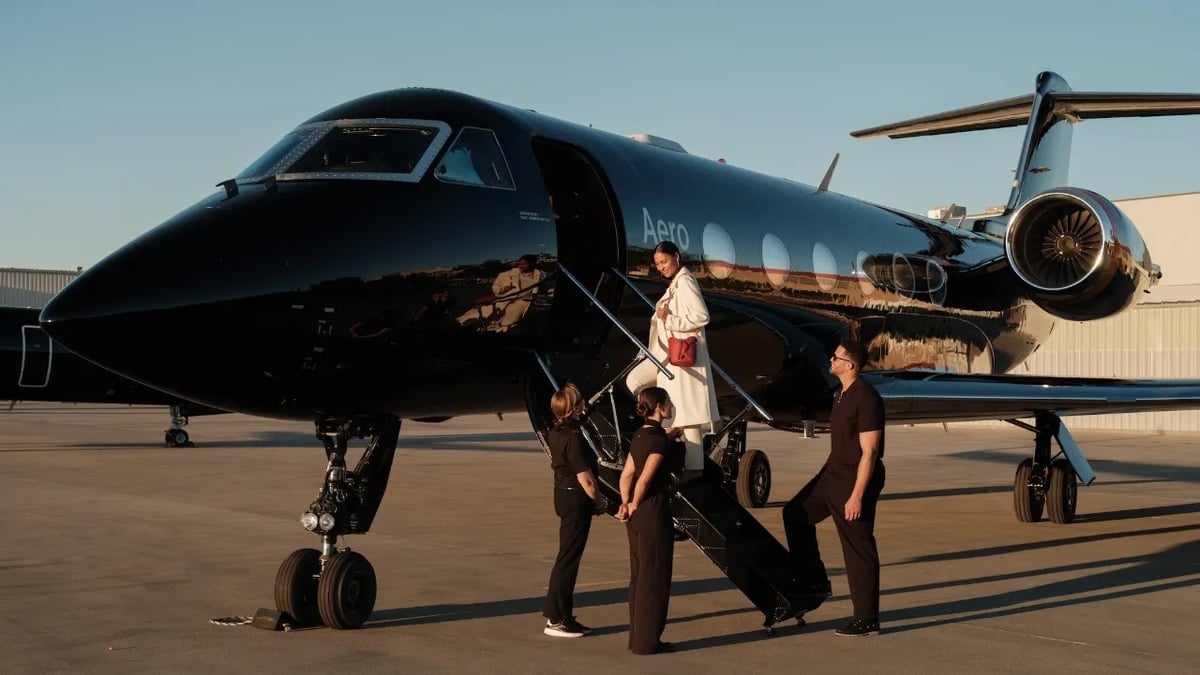
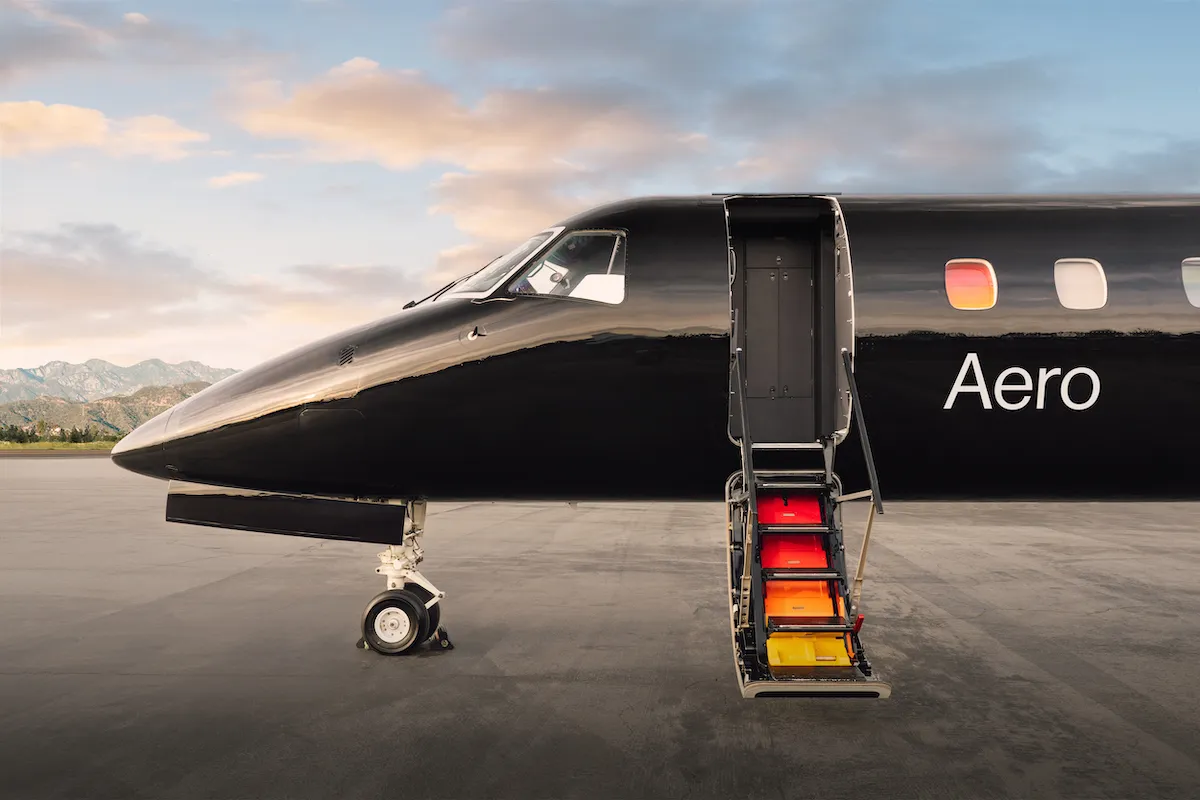
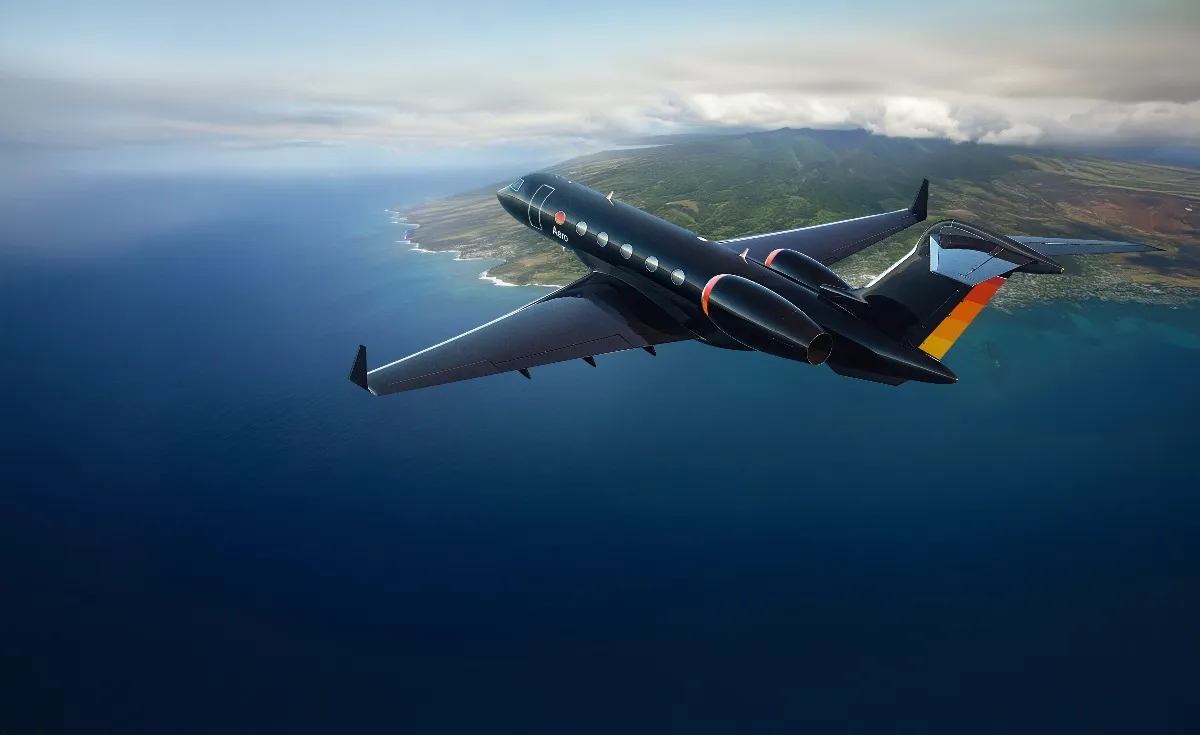
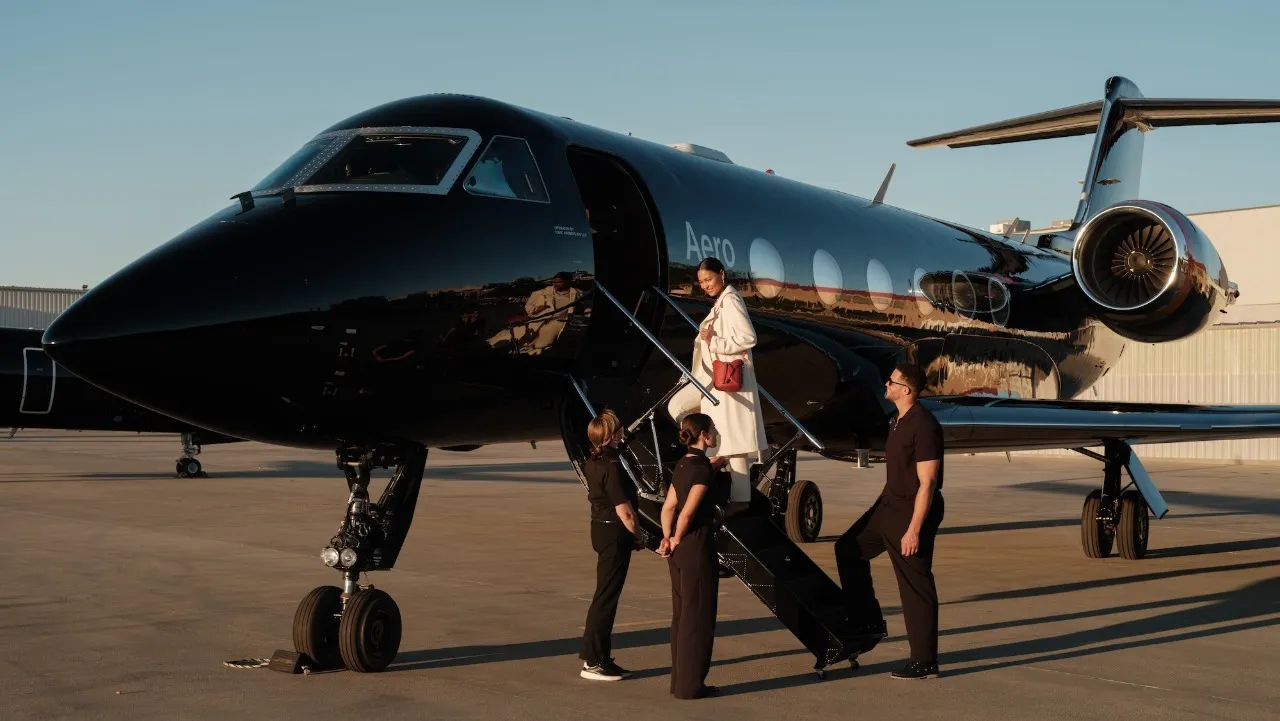
Then there are semi-private carriers like Aero.
Their business model is pretty neat.
You board a 16-seat jet and get the full private-aviation treatment – private terminals, Champagne on board, and zero airport crowds – all for around $1,000 (or sometimes less) per flight.
The only caveat is that you’re sharing the ‘private’ jet with 15 strangers – but then again, that happens on a regular airliner too, and these hops usually only last an hour or two anyway.
The main issue with these boutique airlines
After writing about it years ago – and being a travel and aviation geek – I decided to test BeOnd.
While the experience was great, it took probably 10 minutes browsing their site to realize this sounded a little unsustainable.
BeOnd didn’t have an online check-in system – not a big deal – but the check-in experience was already telling.
The two check-in agents looked more lost than I was.
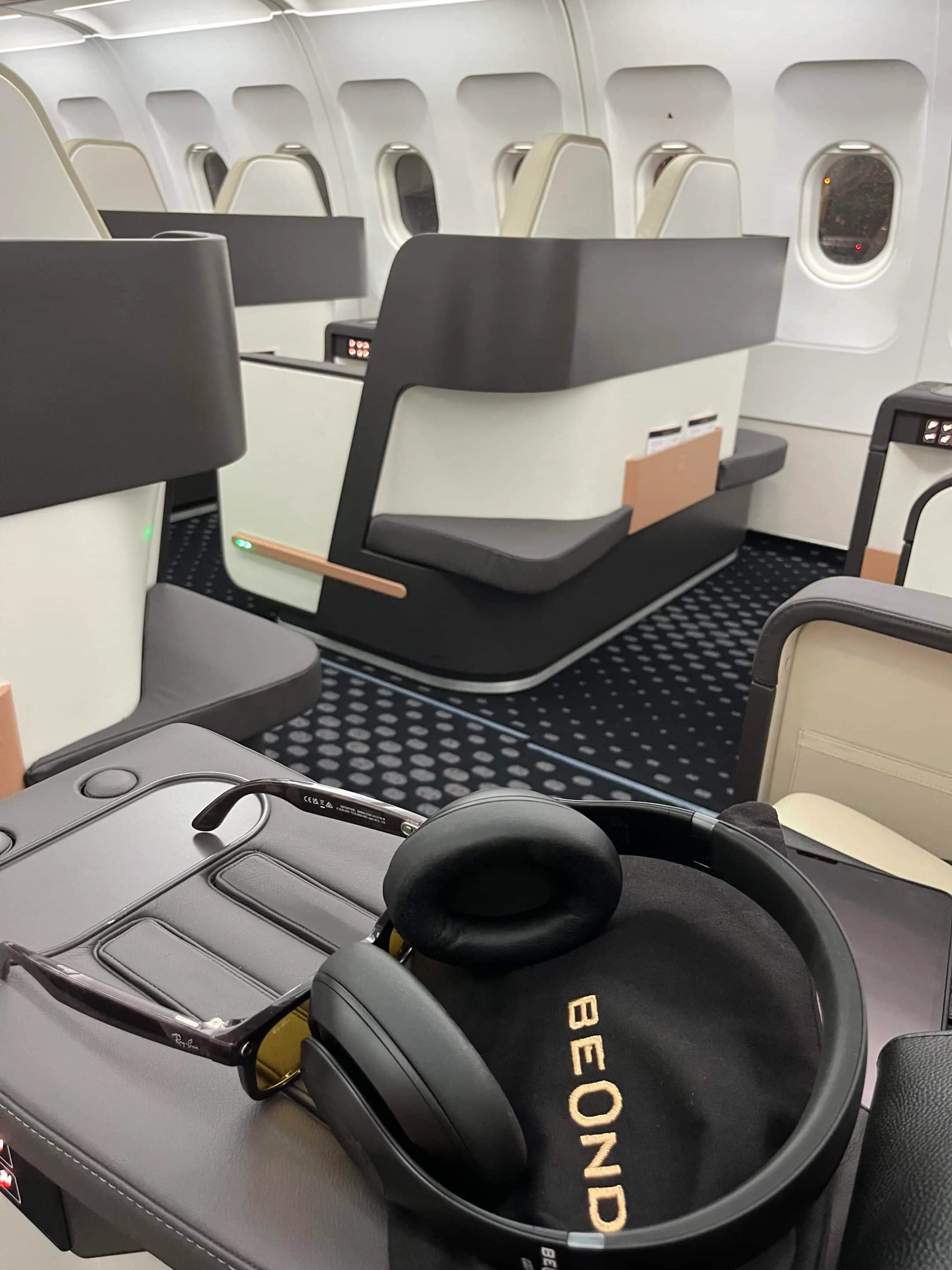
After a considerable amount of time, I had my paper boarding pass – an unfamiliar relic – and was on my way to the lounge, which was included in the price.
After checking in, I overheard the lounge agent say there would be only 22 people on my flight.
In reality, only around 12-14 showed up because the flight got delayed 10+ hours.
On board, I was met with high-quality catering, bottomless everything including Champagne, and custom-branded items throughout.
While I admire the attention to detail, stamping your brand on every single fork, knife, teaspoon, and plate costs a lot of money.
The financial reality was pretty clear.
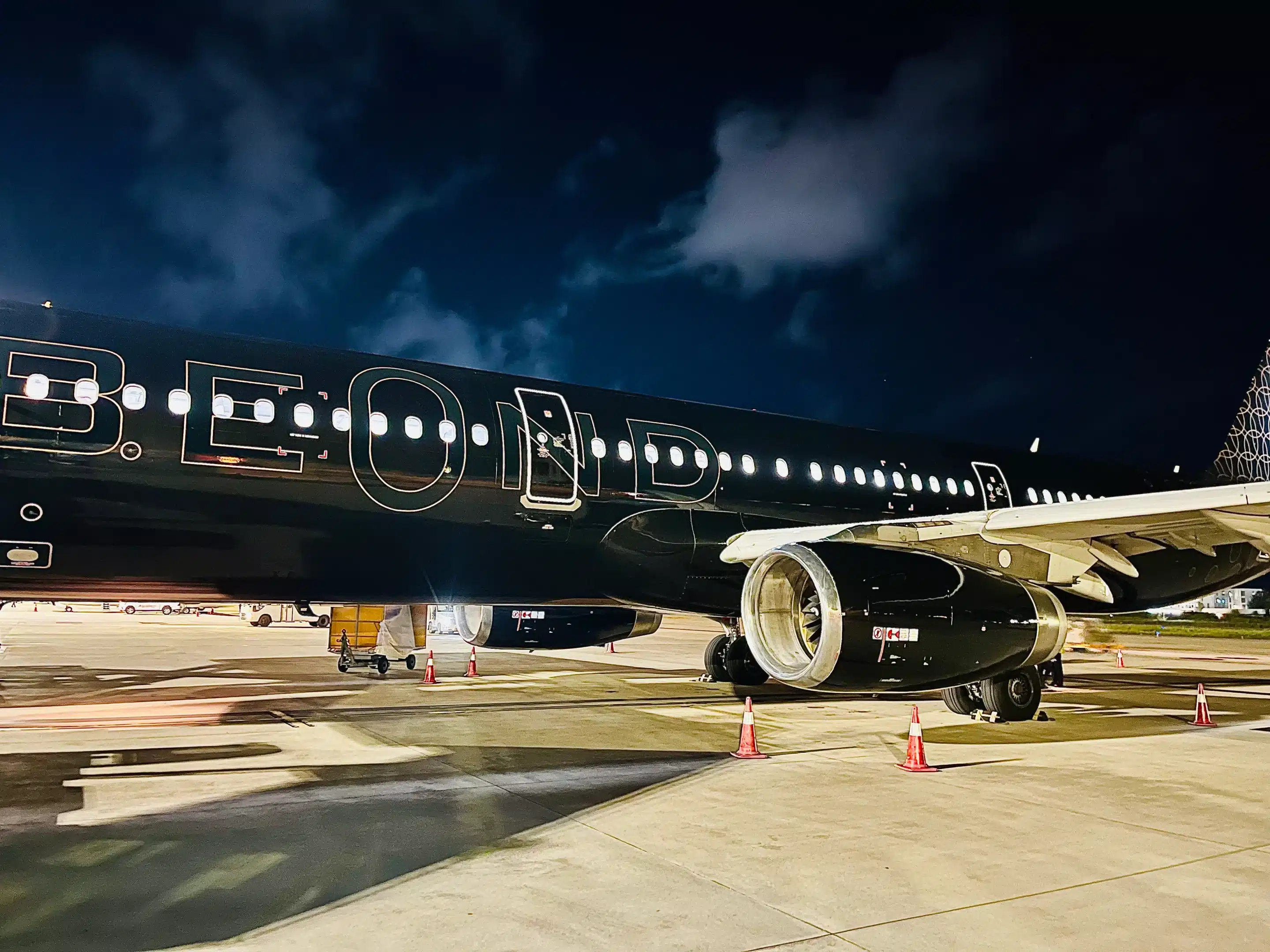
Here I was, on a half-empty flight that’s generally four or five times more expensive, using an airline that only has two planes, and only covers maybe four-five routes.
At the time of writing, BeOnd has largely stepped back from regular scheduled passenger service and shifted toward private charter operations.
Although, to be clear, they did say regular service is set to resume by January 2027.
Other all-business-class carriers – like La Compagnie – have carved out a more stable niche, yet staying afloat while offering $1,500-$2,500 round-trip fares when legacy competitors charge $4,000, $5,000, or more is tough even if you manage to fill every seat.
And these boutique airlines rarely do.
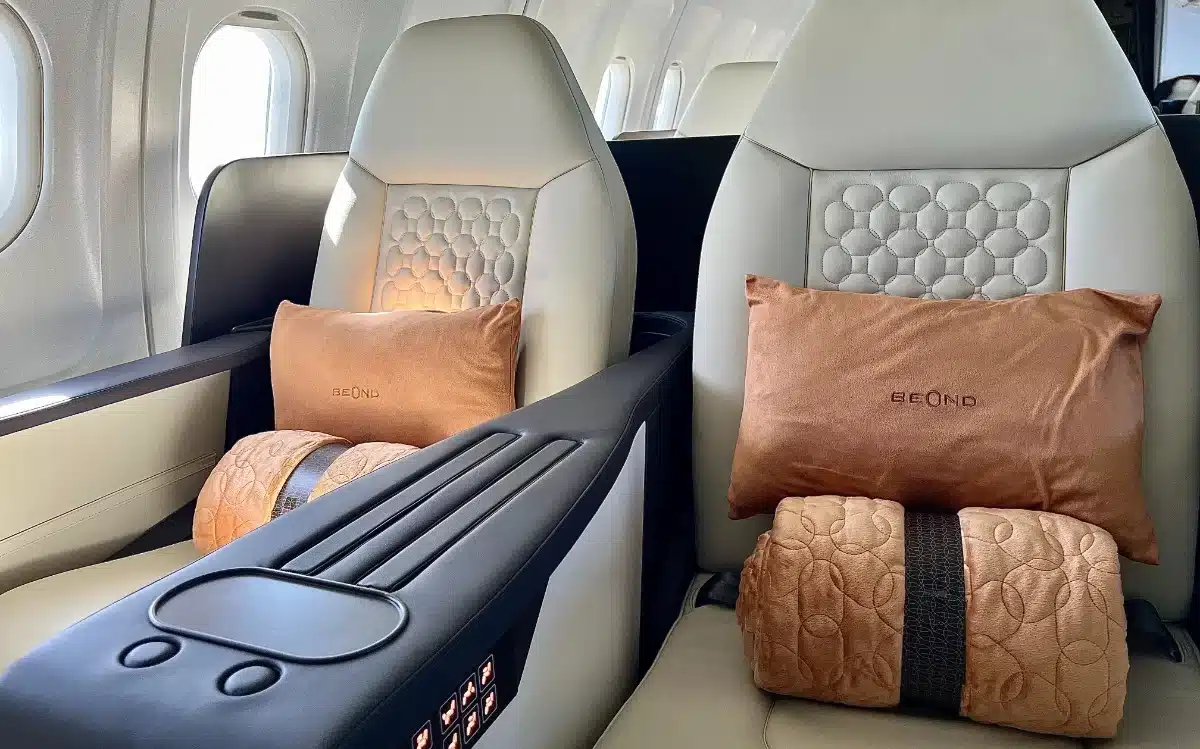
I’m all for democratizing and lowering the baseline cost of business class.
Crossing the Atlantic after watching A Star Is Born for the 1,000th time – while cramped with no legroom and eating food that tastes like it was carved from a single block of plastic – is no one’s idea of fun.
At the same time, everything associated with aviation is expensive, and jet fuel costs remain a major pressure point.
As a consumer, I always want fares to come down, but I want it to happen in a way that actually makes financial sense.
When airlines slash prices artificially rather than through sustainable economics, the model might hold up for a little while – before reality comes back with a vengeance.
The best of Supercar Blondie, every Sunday
The week's best car stories, straight to your inbox. Free.
Alessandro is an automotive journalist with 10 years of experience covering supercars, automotive history, emerging vehicle technology, and luxury transportation. He wrote the first article published on SupercarBlondie.com when the website launched in 2022 and has since built a reputation for insightful reporting across the automotive and transportation industries. His expertise is grounded in hands-on experience. Alessandro has driven every Tesla model ever produced, from the original Roadster to the Cybertruck, and regularly covers the latest developments in electric vehicles and automotive innovation. His passion for transportation extends beyond cars, he has even flown a Boeing 787 Dreamliner simulator in Addis Ababa, Ethiopia. His reporting spans everything from classic American muscle cars and rare automotive discoveries to luxury yachts, private aircraft, high-end watches, and cutting-edge vehicle technology. Known for his deep knowledge of automotive history and ability to uncover the stories behind iconic vehicles, Alessandro brings readers a blend of historical context, technical expertise, and first-hand experience.