Photo shows remarkable progress from first iPhone's camera to a new iPhone camera
Published on Sep 24, 2025 at 12:21 AM (UTC-4)
by Molly Davidson
Last updated on Sep 24, 2025 at 12:17 PM (UTC-4)
Edited by
Kate Bain
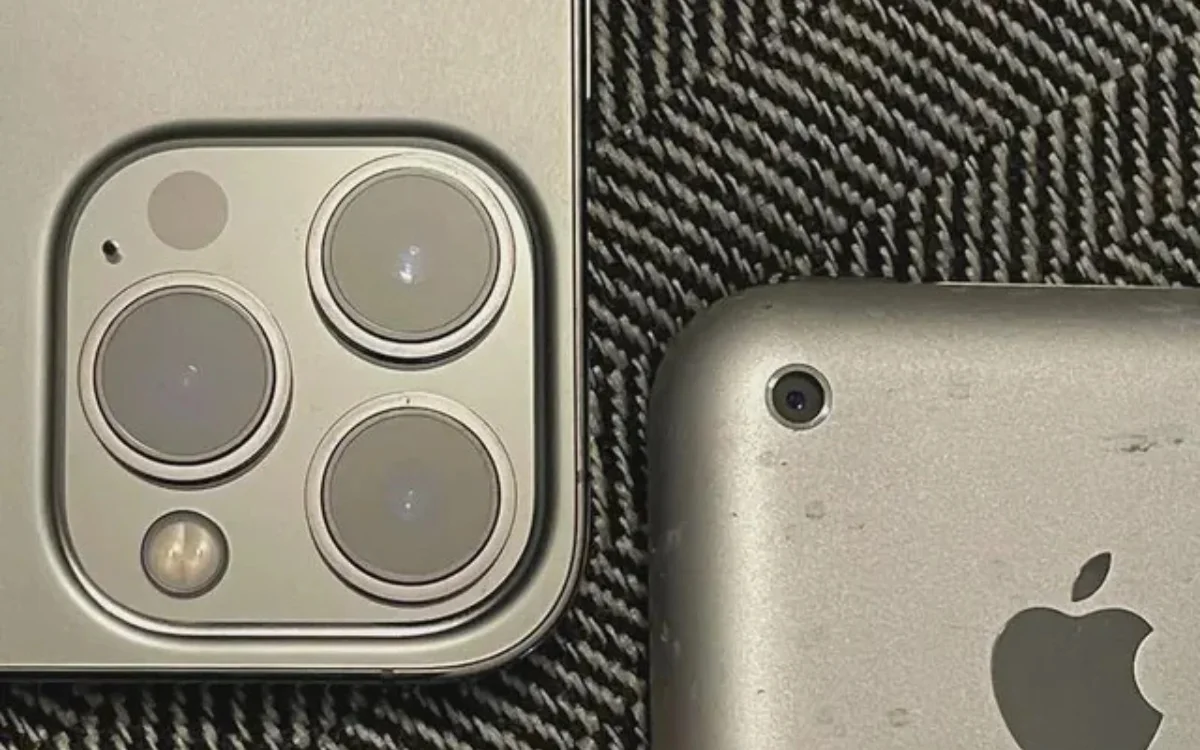

Redditor Shmerble lined up an original iPhone next to a modern one, and the difference in their cameras is almost laughable.
On the left, a lonely little 2MP lens from 2007. On the right, a whole cluster of glass that looks more like a mini DSLR.
It’s a side-by-side that shows just how radically Apple’s cameras have changed in less than two decades.
And the comments are full of pure nostalgia, with people roasting everything the first iPhone camera couldn’t do.
DISCOVER SBX CARS – The global premium auction platform powered by Supercar Blondie
From one lonely lens to an iPhone camera array
When the first iPhone launched in 2007, its camera was barely more than proof of concept.
It had a single 2-megapixel lens with no flash, no autofocus, no video, and definitely no front-facing option.
Redditors were quick to remember the quirks.
One recalled that it could take pictures but couldn’t even send MMS.
Another said you needed a third-party app just to record video.
Looking back, those features feel prehistoric, but at the time they blew minds.
Things started shifting with the iPhone 4 in 2010.
Suddenly you had a 5MP rear shooter with an LED flash and, for the first time, a VGA front cam for selfies and FaceTime.
By the time the iPhone 6S arrived in 2015, the rear camera had hit 12MP, could shoot 4K video, and even introduced Live Photos.

Apple wasn’t just catching up to digital cameras, it was replacing them.
Jump to today and the gulf is wild.
The latest Pro models boast a 48MP main sensor, a triple-lens array (wide, ultra-wide, telephoto), 5x optical zoom, and pro-level modes like ProRAW stills, ProRes 4K video, Cinematic Mode, Night Mode, and even macro photography.
As one Redditor summed it up, ‘the evolution of these cameras is astounding.’


The evolution isn’t slowing down either
Shmerble’s photo makes it clear how far the iPhone has come, but Apple’s not easing off.
Each new cycle turns the camera into the headline act all over again.
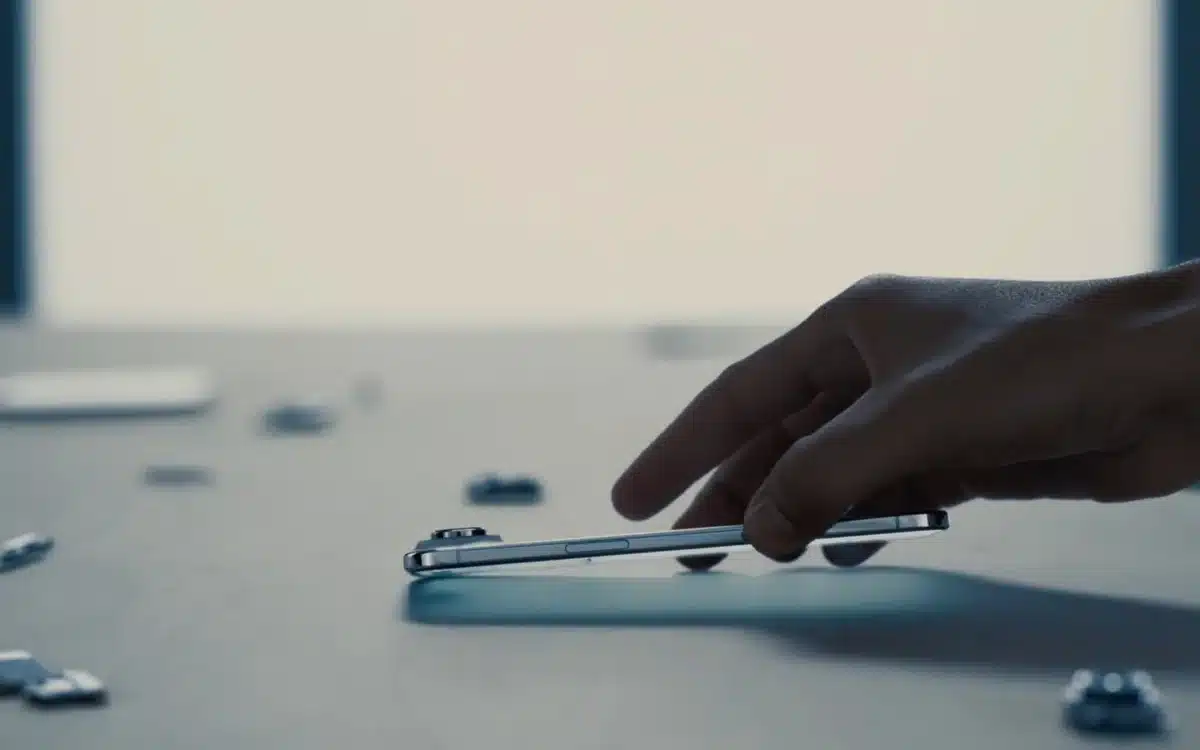
Just look at the recent reveal of the iPhone 17 Pro and Pro Max, hyped by Apple itself as being like ‘eight pro lenses in your pocket.’
The new models bring sharper sensors, smarter zoom, and a design that’s all about giving the camera array even more real estate on the back.


And it’s not just hardware.
The iOS 26 overhaul reshaped the way photos and videos live on the phone, from better screenshot tools to spatial photo options that turn your gallery into something way beyond a shoebox of snaps.
That single lens from 2007 started a revolution, but the arms race is still going.
Every September, Apple raises the stakes again, making the iPhone’s camera the centerpiece of the story.
From this Redditor’s snap of one lonely iPhone camera lens to today’s cinematic clusters, the Apple mainstay hasn’t just shown remarkable progress – it turned into the camera that killed cameras.
With roles at TEXT Journal, Bowen Street Press, Onya Magazine, and Swine Magazine on her CV, Molly joined Supercar Blondie in June 2025 as a Junior Content Writer. Having experience across copyediting, proofreading, reference checking, and production, she brings accuracy, clarity, and audience focus to her stories spanning automotive, tech, and lifestyle news.




