The Artemis II astronauts have gone farther from Earth than any human ever has in history
Published on Apr 07, 2026 at 6:43 AM (UTC-4)
by Daisy Edwards
Last updated on Apr 10, 2026 at 10:38 AM (UTC-4)
Edited by
Mason Jones
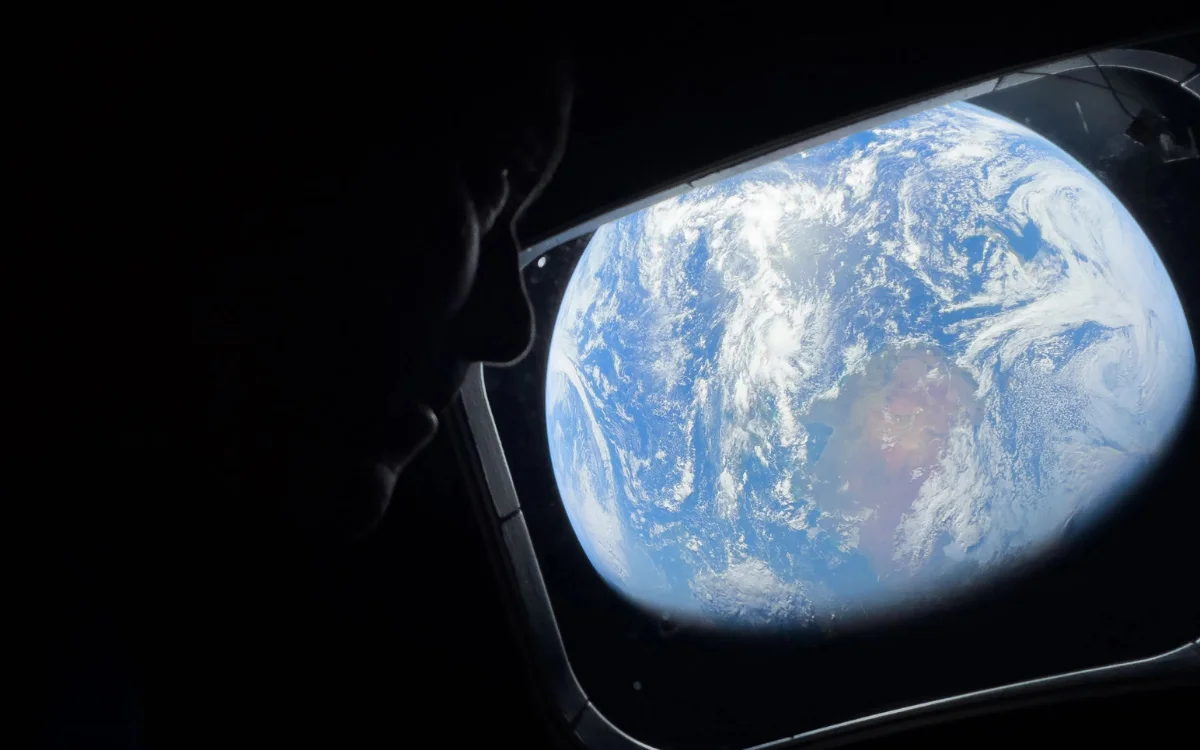

The Artemis II astronauts have traveled farther from Earth than any humans ever have, setting a new record in space exploration.
NASA’s four person crew blasted past the previous record set by Apollo 13 when Orion reached roughly 252,756 miles from Earth during its lunar flyby on April 6.
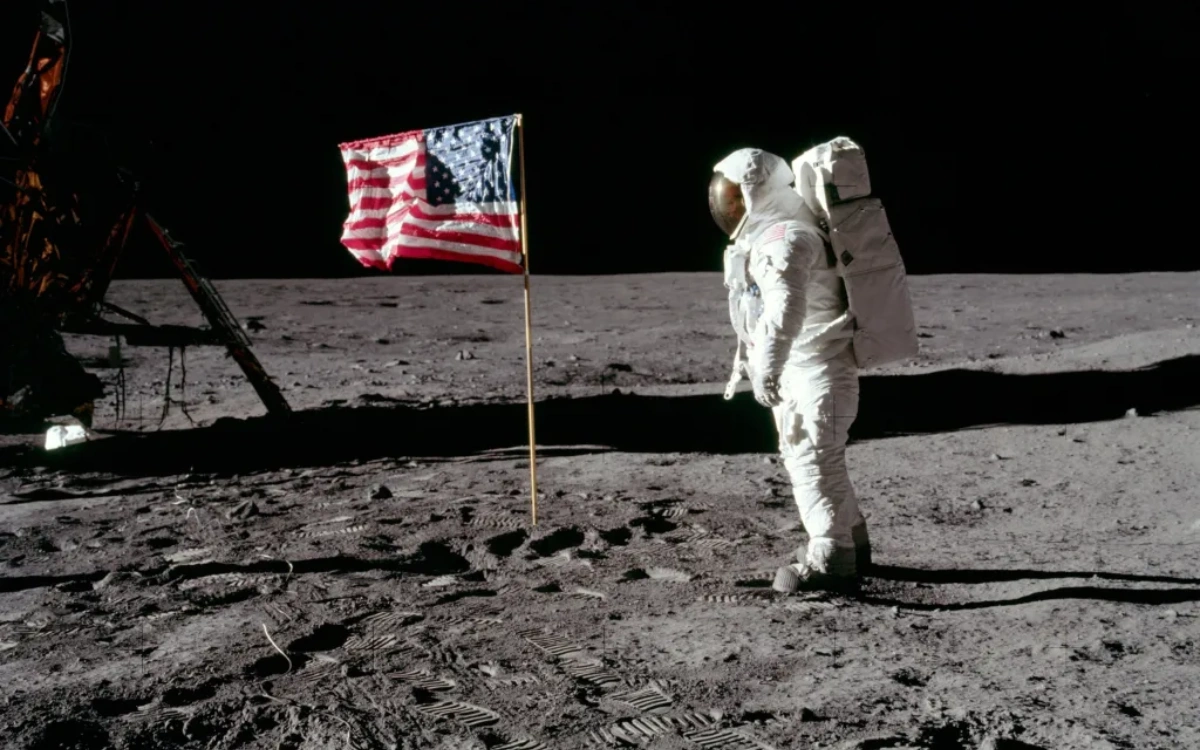
The mission launched on April 1 and is the first time humans have headed beyond low Earth orbit since Apollo 17 back in 1972.
For a program designed as a test flight, Artemis II has already turned into a history-making deep space adventure.
Artemis II’s record-breaking mission
That amazing space record was not easy to beat, because Apollo 13 had held the title since 1970 after reaching 248,655 miles from Earth.
Artemis II overtook that mark as the Orion spacecraft looped around the Moon on a free return trajectory, meaning lunar gravity is helping sling the crew back home.
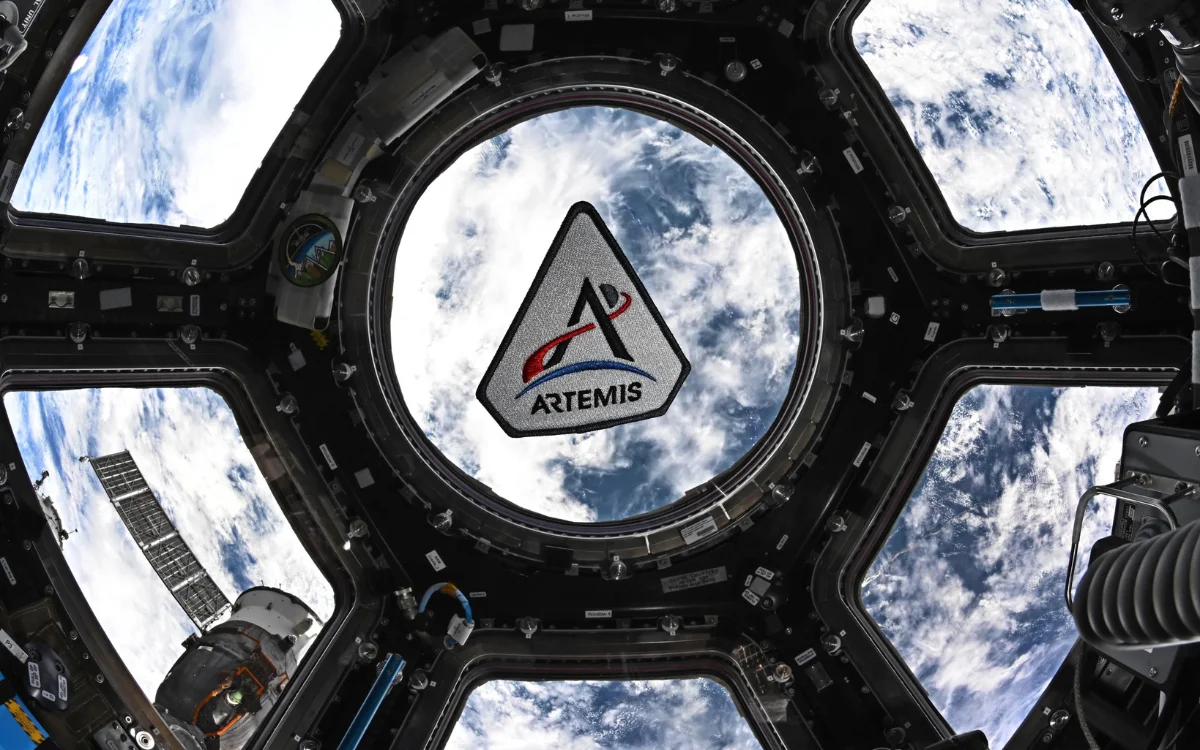
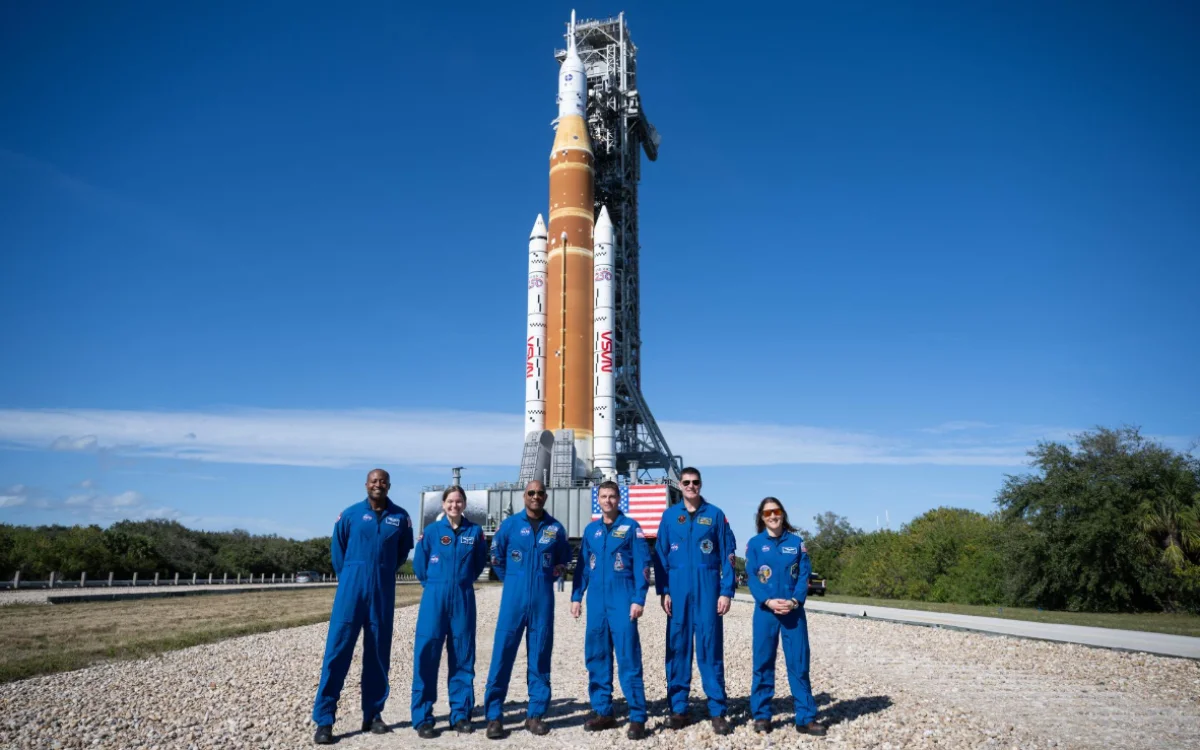
On board are NASA astronauts Reid Wiseman, Victor Glover and Christina Koch, plus Canadian astronaut Jeremy Hansen, making this a major moment not just for NASA but for international spaceflight too.
It is also the first crewed voyage of the Space Launch System and Orion combo, so this trip is proving the hardware can carry humans into deep space before later Artemis missions attempt even more ambitious lunar operations.
Related
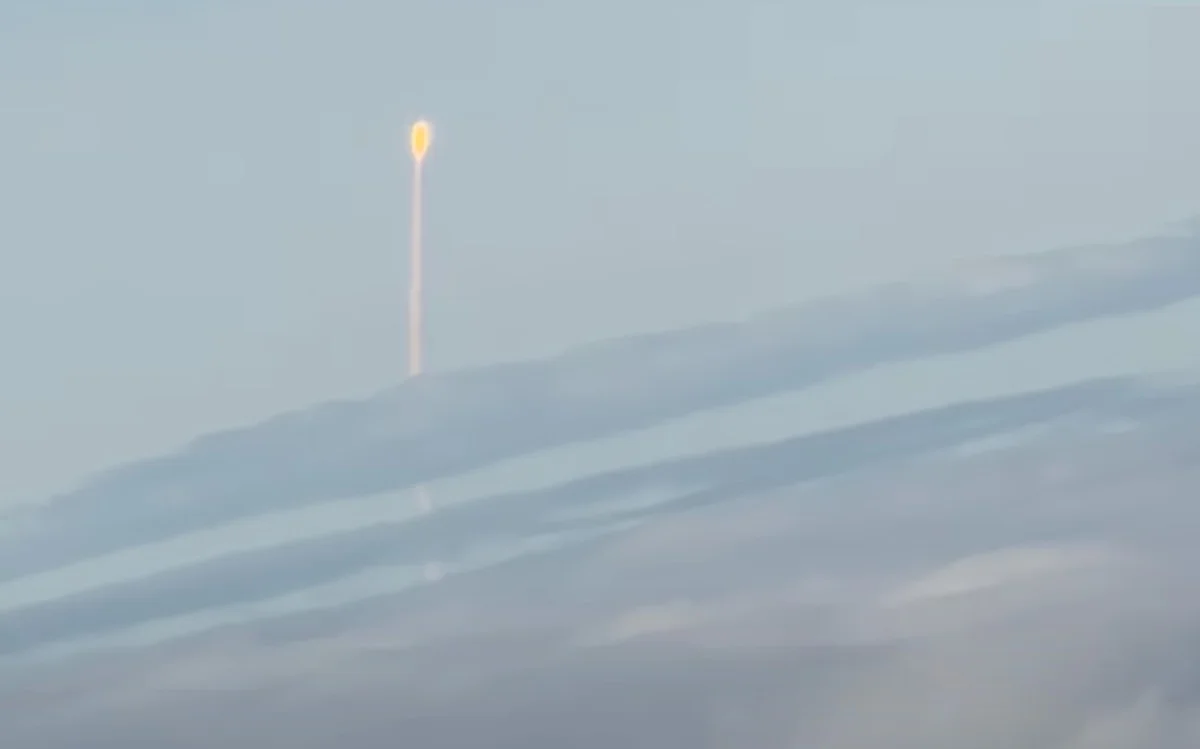
The moon flyby has been historic in so many ways
As if the record was not dramatic enough, the astronauts also got a stunning look at the far side of the Moon, a part of the lunar surface no human crew has ever seen quite like this during a modern mission.
Reports from the flyby say they captured thousands of images, watched an Earthrise, and even experienced a total solar eclipse from space, which sounds like the greatest sightseeing trip ever attempted.
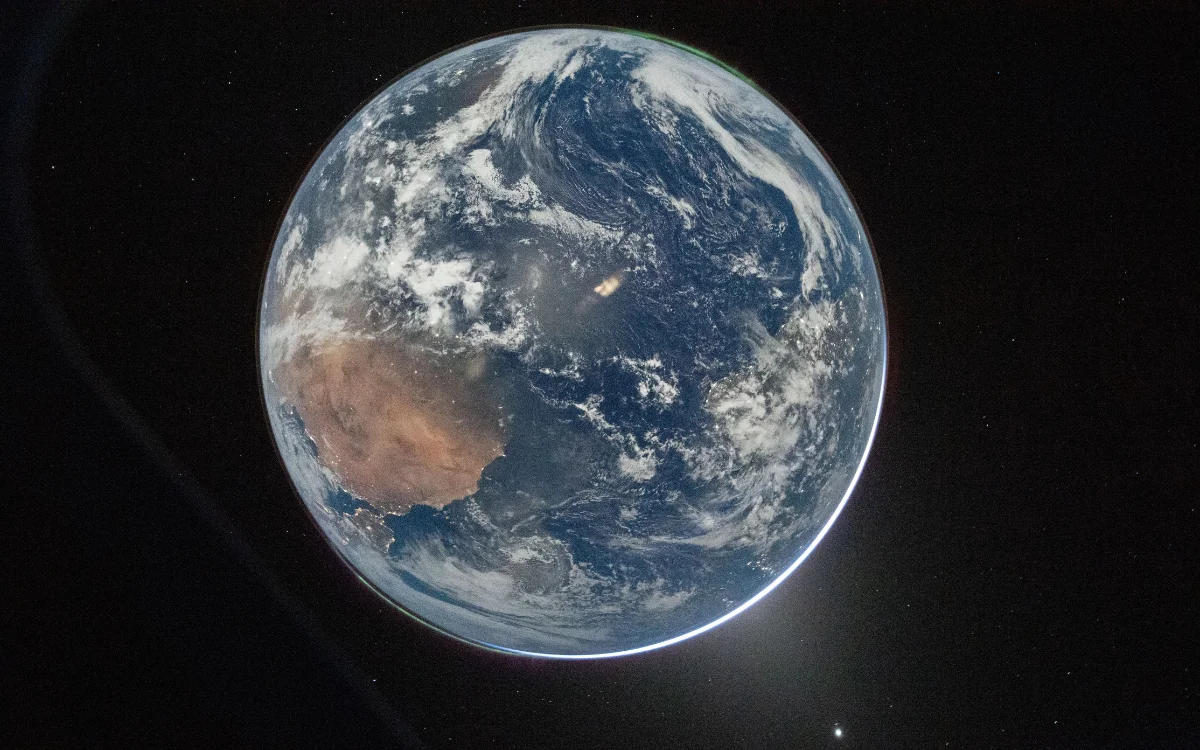
Artemis II is scheduled to splash down off the coast of San Diego on April 10, wrapping up a 10-day mission that has already rewritten the record books.
Daisy is a technology and automotive journalist covering artificial intelligence, consumer tech, Apple news, cryptocurrency, emerging technologies, and transportation innovation. Since joining the team in 2025, she has reported on everything from AI-powered startups and major iOS updates to viral car stories and the latest developments shaping transportation and the digital economy. Drawing on her background in automotive journalism and a degree in History and Journalism from Goldsmiths, University of London, Daisy specializes in breaking down complex topics into clear, engaging reporting for a global audience. Her work spans cutting-edge technology, innovative vehicles, and the people driving change across both industries. Daisy has gained first-hand access to some of the world's most talked-about technologies and innovators, including meeting Tesla's Optimus humanoid robot during its first European appearance in London. She has also discussed the future of space exploration with an astronaut, bringing unique insights and real-world perspectives to her coverage of emerging technology.




