I asked ChatGPT to make the creepiest photo possible and this is what it generated
Published on Sep 17, 2026 at 5:43 AM (UTC-4)
by Daisy Edwards
Last updated on Sep 30, 2026 at 5:57 AM (UTC-4)
Edited by
Mason Jones

AI image generators can now create surprisingly convincing photographs from little more than a text instruction, so I gave ChatGPT a prompt to make the creepiest photo possible and saw what it came up with.
It was up to the chatbot to decide what ‘creepy’ meant.
Instead of giving it a detailed description, I left the creative decisions entirely to the image generator.
The result shows just how much detail these models can produce without a real camera or physical scene being involved.
ChatGPT can create an entire photograph from scratch
When generating an image, the AI isn’t pulling a photograph from a database and editing it; its futuristic process has become remarkably commonplace.
It creates the image based on patterns it has learned from huge amounts of visual data, predicting what objects, lighting, composition and textures should look like together.

That means a simple prompt can result in an image containing a complete environment, realistic-looking people and complex lighting.
For this experiment, the only real instruction was to make an image that looks as creepy as possible.
Despite the chatbot historically having a ‘goblin’ problem, it decided to move away from generating a picture with any involved, and create something that genuinely made my heart jump a little bit.
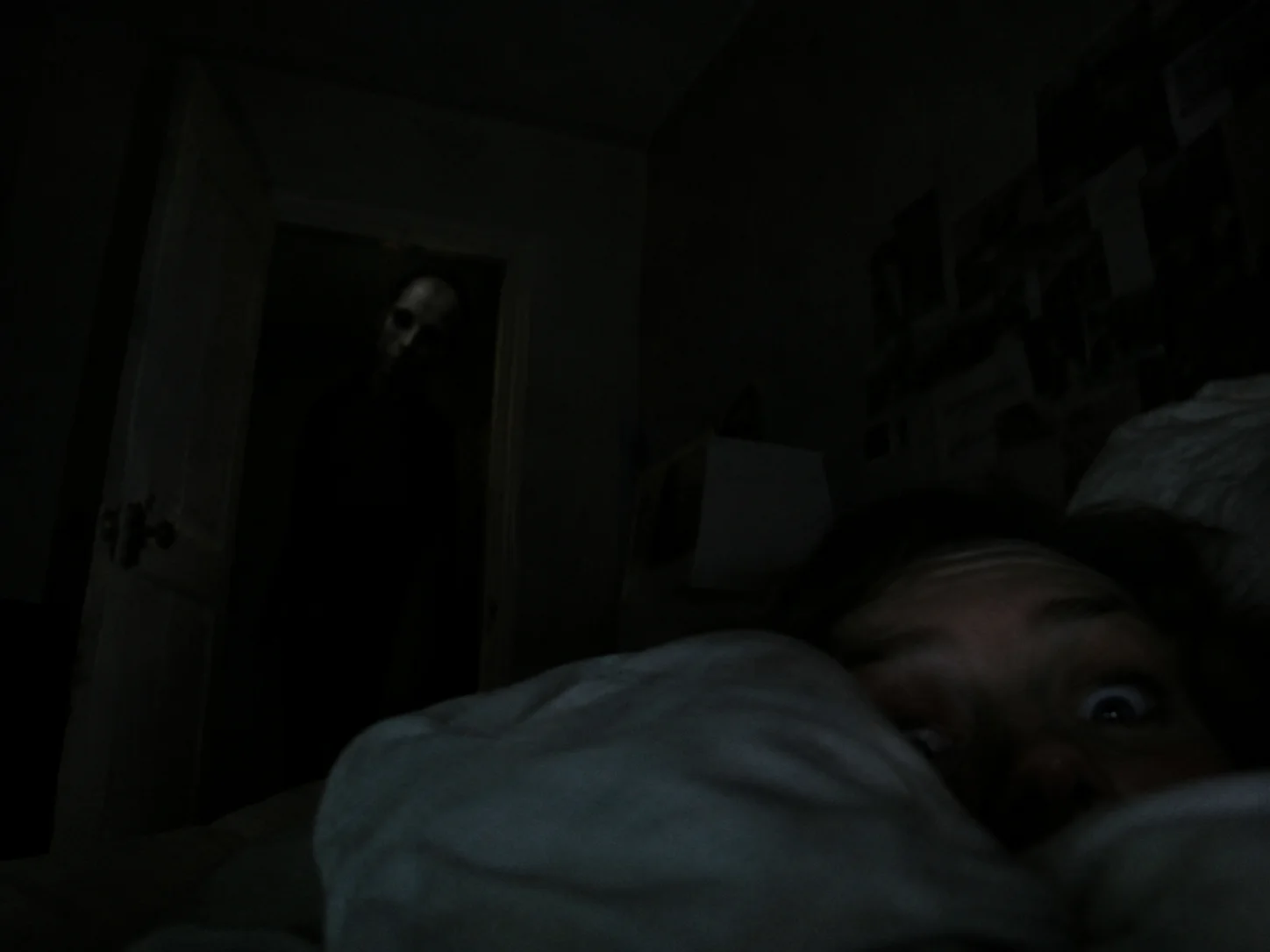



The AI decided what ‘creepy’ looked like
Rather than specifying a monster, location or particular horror style, I left the decision to ChatGPT.
The resulting image uses several visual techniques commonly associated with unsettling photography, including extremely low lighting, obscured details and a figure appearing in the background.
I think it’s more unsettling because it looks like a picture that someone might actually take and share online, and online lore of ‘creepypasta’ stories might be helped by this creation tool.
It’s a good example of how generative AI can translate an abstract concept like ‘creepy’ into a complete visual composition.
And considering there was no real camera, bedroom or creepy figure involved, that’s pretty impressive.
Daisy is a technology and automotive journalist covering artificial intelligence, consumer tech, Apple news, cryptocurrency, emerging technologies, and transportation innovation. Since joining the team in 2025, she has reported on everything from AI-powered startups and major iOS updates to viral car stories and the latest developments shaping transportation and the digital economy. Drawing on her background in automotive journalism and a degree in History and Journalism from Goldsmiths, University of London, Daisy specializes in breaking down complex topics into clear, engaging reporting for a global audience. Her work spans cutting-edge technology, innovative vehicles, and the people driving change across both industries. Daisy has gained first-hand access to some of the world's most talked-about technologies and innovators, including meeting Tesla's Optimus humanoid robot during its first European appearance in London. She has also discussed the future of space exploration with an astronaut, bringing unique insights and real-world perspectives to her coverage of emerging technology.




