China’s artificial sun marks major milestone in the quest for unlimited energy
- China has been working on harnessing the power of the sun since 2006
- Their ‘artificial sun’ has been able to sustain power for almost 18 minutes
- This is a milestone moment for the fusion reactor and the search for boundless energy
Published on Feb 11, 2025 at 8:11 AM (UTC-5)
by Daisy Edwards
Last updated on Feb 11, 2025 at 8:11 AM (UTC-5)
Edited by
Tom Wood
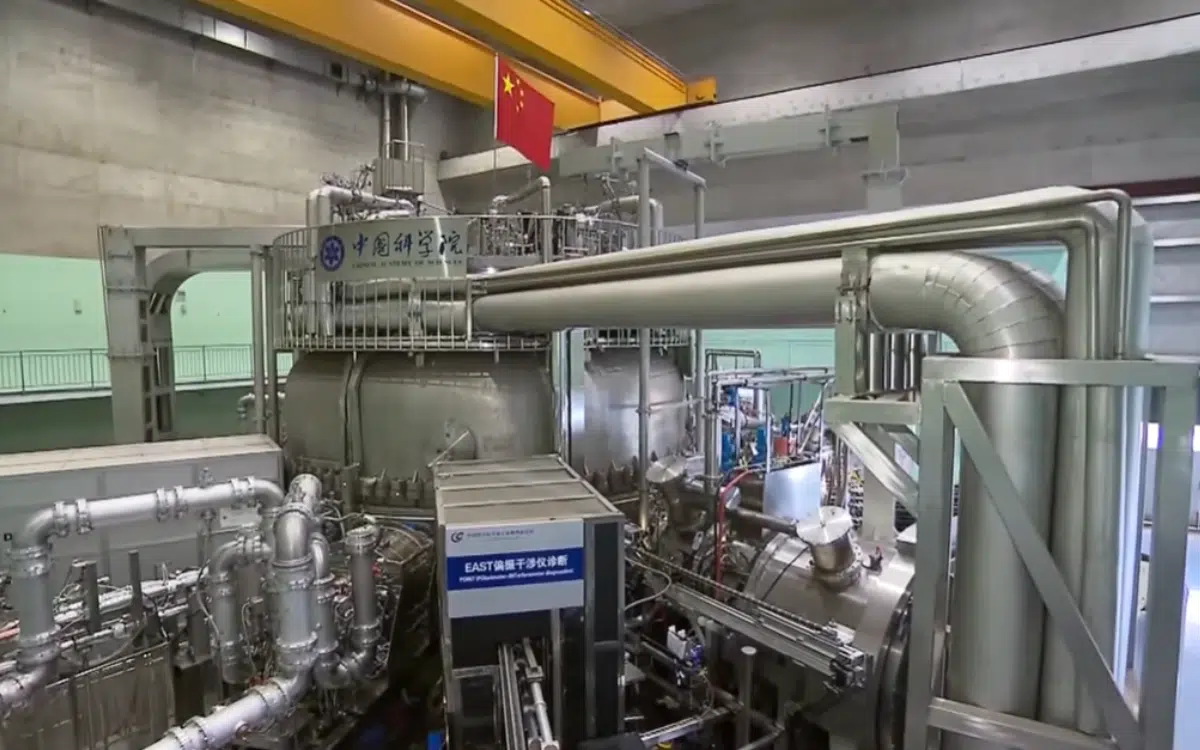

Scientists in China have been working on a completely unlimited fusion energy source through the concept of an ‘artificial sun’.
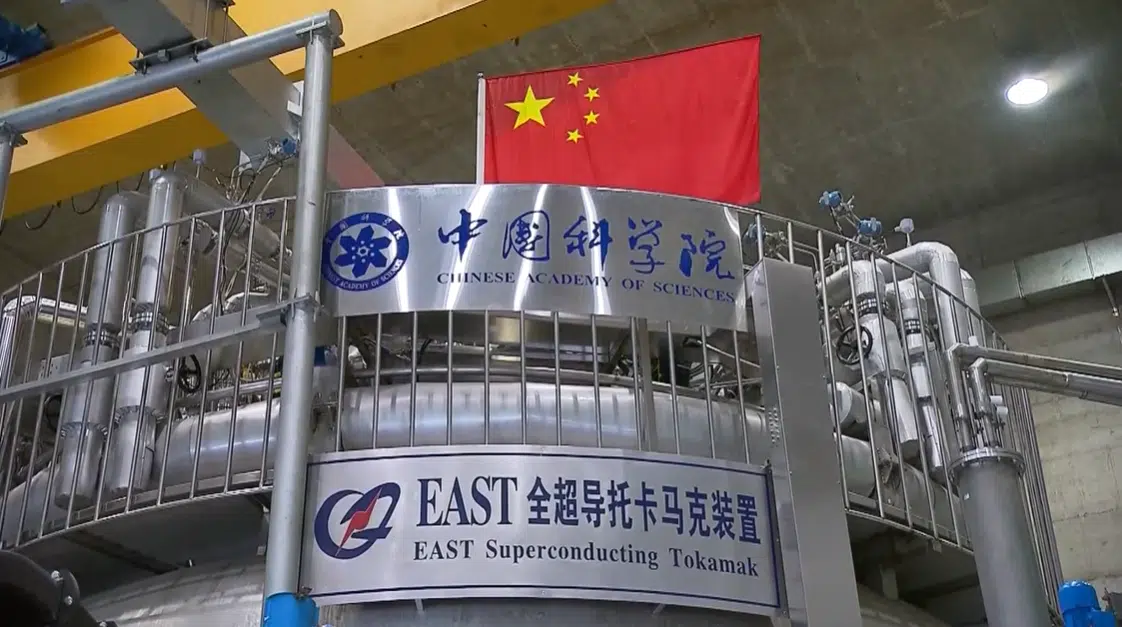
Experimental Advanced Superconducting Tokamak (EAST) has hit a milestone, continuously running for 1,066 seconds.
With this, China has set a world record for new energy sources, beating out other nations with a similar concept, that have so far been unable to keep theirs running longer.
The concept of a fusion reactor is to mimic the actual sun using magnets and superheated plasma, just like the constant burning of a real star.
DISCOVER SBX CARS: The global premium car auction platform powered by Supercar Blondie
China is harnessing the energy of the sun
EAST was built in 2006 and almost 20 years later is breaking records, running continuously for 1,066 seconds, which is about 18 minutes.
At the moment EAST is purely experimental, and while mimicking the sun’s pure power and magnitude for 18 minutes is entirely mind-blowing, we still have a long way to go before this fusion energy becomes a viable power source.
According to EAST’s scientists, who are keeping a lot of information close to their chests, they managed to double their usual power output by using a new heating system in order to achieve their impressive feat.


Where does the artificial sun go from here?
There’s still a long way to go when it comes to sustainable fusion power and a lot more experimenting is needed to happen to make it a long-term viable solution.
However, that hasn’t stopped China from beginning construction of a new series of experimental fusion research facilities in the east Anhui Province of the nation.
With more scientists working on fusion power, there could very well be a breakthrough of perpetual power.
In Korea, where they have a very invention-forward approach, they have already set a record where they sustained a temperature that was seven times hotter than the sun’s core.
The race to harness the sun is only just starting, who knows where it will go in the future?
Daisy is a technology and automotive journalist covering artificial intelligence, consumer tech, Apple news, cryptocurrency, emerging technologies, and transportation innovation. Since joining the team in 2025, she has reported on everything from AI-powered startups and major iOS updates to viral car stories and the latest developments shaping transportation and the digital economy. Drawing on her background in automotive journalism and a degree in History and Journalism from Goldsmiths, University of London, Daisy specializes in breaking down complex topics into clear, engaging reporting for a global audience. Her work spans cutting-edge technology, innovative vehicles, and the people driving change across both industries. Daisy has gained first-hand access to some of the world's most talked-about technologies and innovators, including meeting Tesla's Optimus humanoid robot during its first European appearance in London. She has also discussed the future of space exploration with an astronaut, bringing unique insights and real-world perspectives to her coverage of emerging technology.




