Underwater robot makes important discovery after stalking a barracuda for just 10 minutes
Published on May 20, 2026 at 5:15 AM (UTC-4)
by Daisy Edwards
Last updated on May 29, 2026 at 11:05 AM (UTC-4)
Edited by
Mason Jones
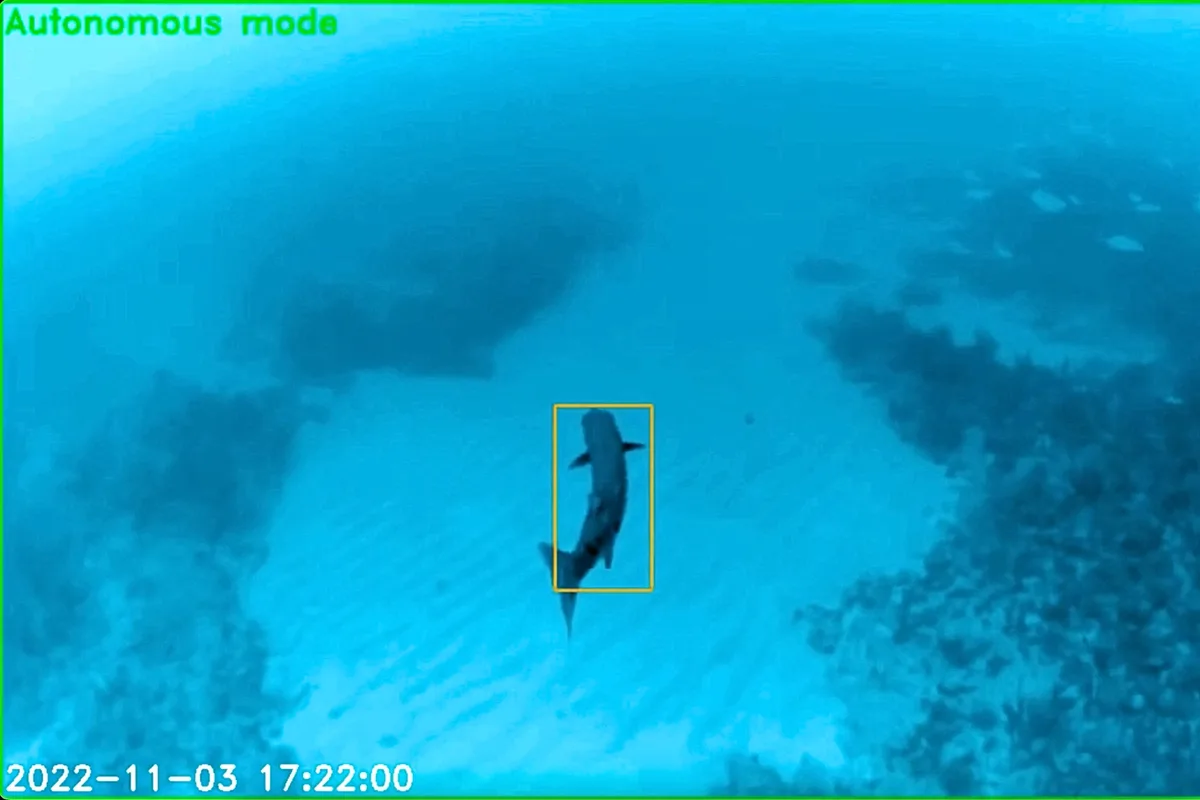

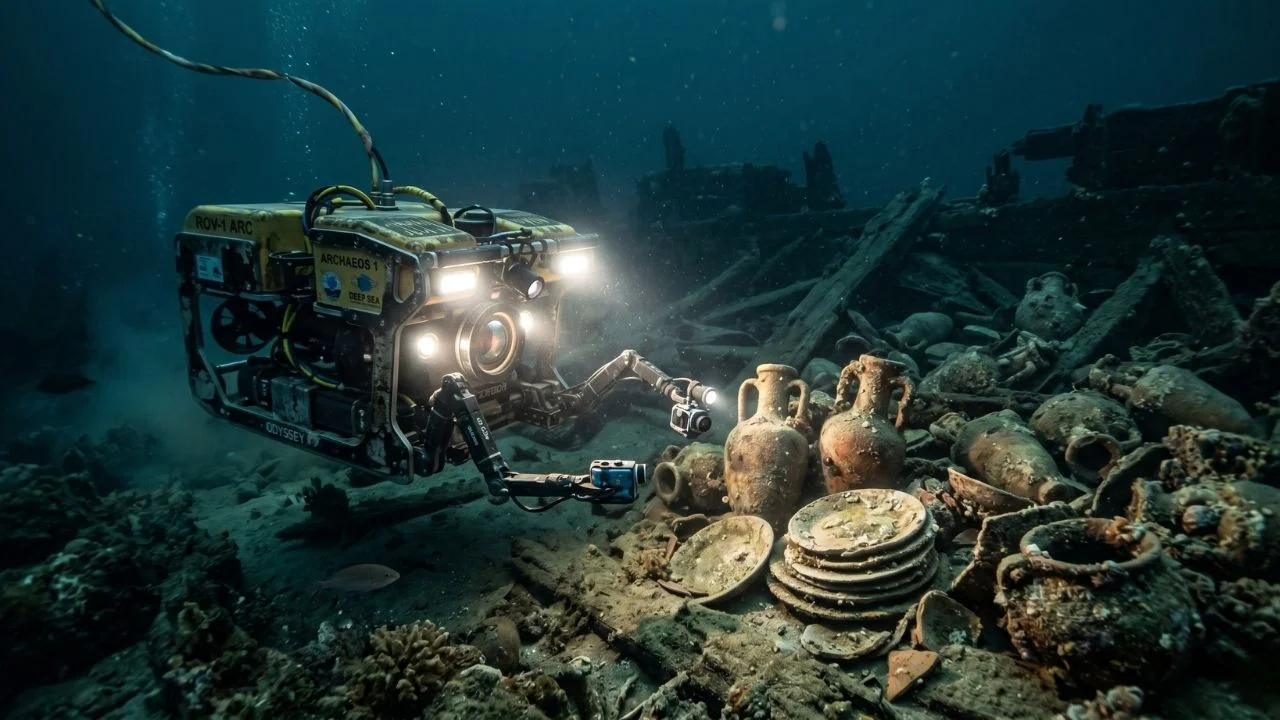
Scientists have developed an underwater robot capable of tracking marine life across coral reefs, and it made a huge discovery after following a barracuda for less than 10 minutes.
The autonomous underwater vehicle, called CUREE, used both audio and visual clues to move through the reef and locate sea creatures completely on its own.
Researchers tested the robot in the US Virgin Islands, where it successfully tracked the speedy predator for almost 300 meters across the ocean floor.
And while tailing the barracuda, the robot uncovered a previously secret biodiversity hotspot hidden in the reef.
The underwater robot tracked a very speedy barracuda
The futuristic robot, officially named Curious Underwater Robot for Ecosystem Exploration, was designed to help scientists study coral reefs faster and more efficiently.
During testing, researchers used underwater sound bites, including shrimp snaps and fish calls, to guide the machine through the reef.
CUREE was able to navigate directly toward the sounds every single time, proving it could use audio cues much like marine animals do in the wild.
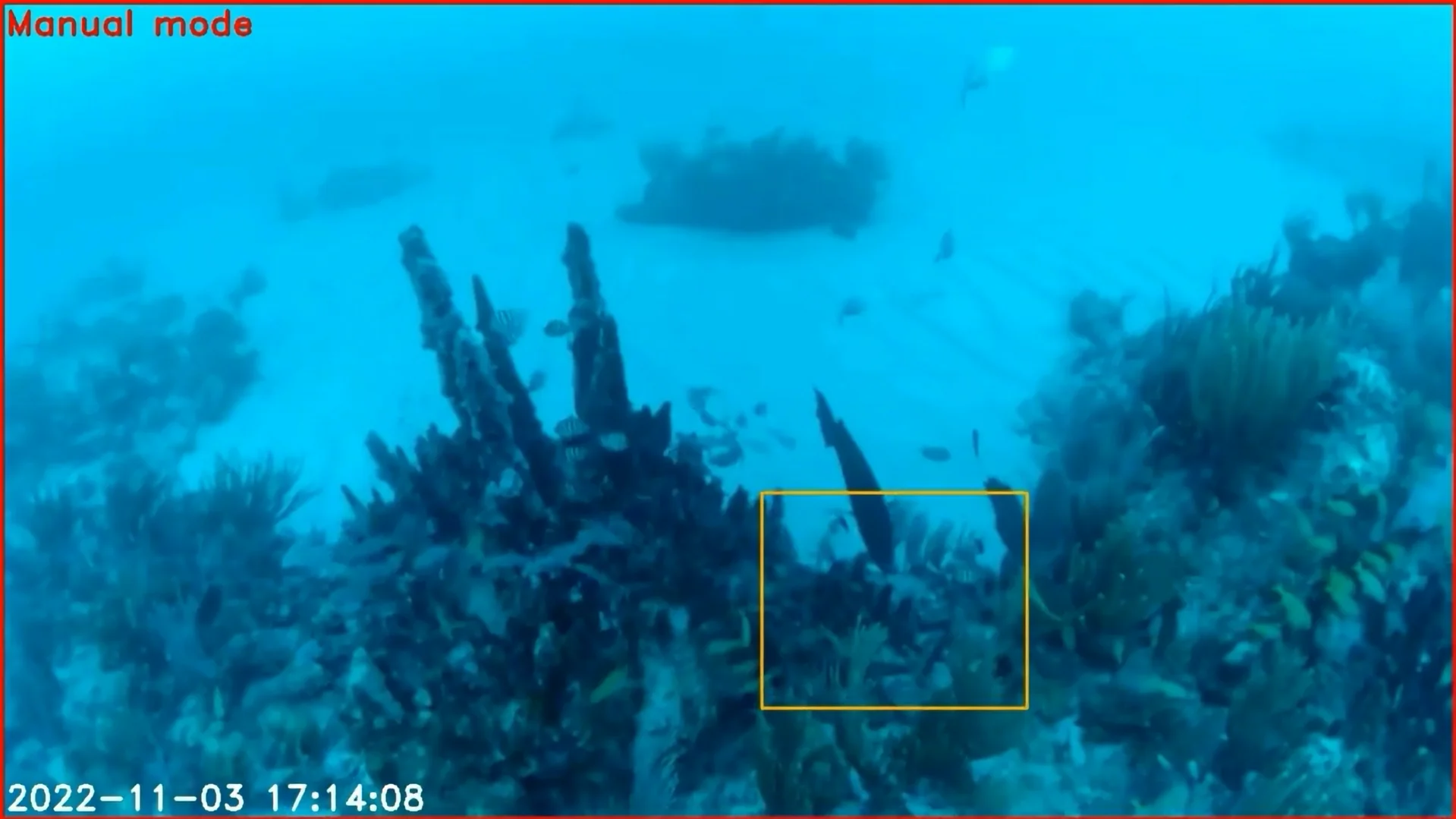
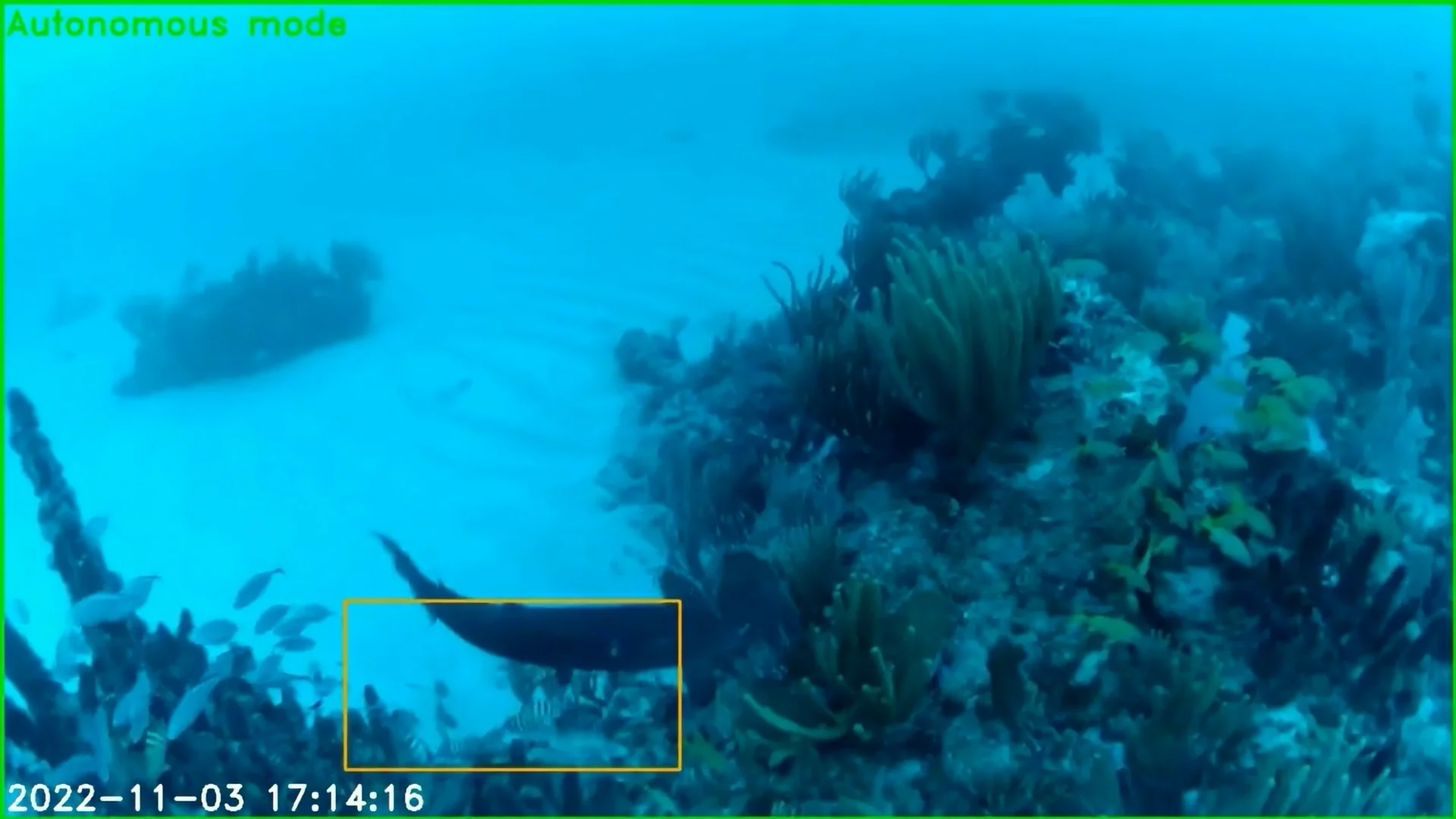
But its most impressive moment came when it locked onto a barracuda and followed the fish for nine minutes and 55 seconds.
Barracudas are known for being incredibly speedy predators, capable of reaching around 36mph, making them difficult to follow around underwater.
Despite that challenge, the robot stayed on course and captured valuable data about areas of the reef scientists had never explored before.
Related

This development could transform coral reef exploration
Researchers believe the underwater robot technology could dramatically improve the way scientists study reefs around the world, especially as many ecosystems continue to face threats from climate change and pollution.
The team said the robot’s ability to quickly locate and study ‘new active sites on unexplored coral reefs’ could become incredibly important as reefs rapidly change.
Scientists have already used robotic systems to study deep-sea creatures and even track sharks, but CUREE takes things a step further by independently following animals through complex reef environments.
Researchers now hope the technology will help uncover more hidden reef ecosystems and provide new insight into marine life behavior before vulnerable coral habitats disappear completely.
Daisy is a technology and automotive journalist covering artificial intelligence, consumer tech, Apple news, cryptocurrency, emerging technologies, and transportation innovation. Since joining the team in 2025, she has reported on everything from AI-powered startups and major iOS updates to viral car stories and the latest developments shaping transportation and the digital economy. Drawing on her background in automotive journalism and a degree in History and Journalism from Goldsmiths, University of London, Daisy specializes in breaking down complex topics into clear, engaging reporting for a global audience. Her work spans cutting-edge technology, innovative vehicles, and the people driving change across both industries. Daisy has gained first-hand access to some of the world's most talked-about technologies and innovators, including meeting Tesla's Optimus humanoid robot during its first European appearance in London. She has also discussed the future of space exploration with an astronaut, bringing unique insights and real-world perspectives to her coverage of emerging technology.




