Transformers Dark of the Moon destroyed 532 cars on set and it is not even close to the most surprising entry on this list
Published on Mar 08, 2026 at 11:10 PM (UTC+4)
by Callum Tokody
Last updated on Mar 05, 2026 at 8:34 PM (UTC+4)
Edited by
Amelia Jean Hershman-Jones

The history of cinema reached a violent milestone when Transformers obliterated a record number of vehicles, surpassing the destruction seen in Fast & Furious and The Matrix.
To coordinate these massive metal graveyards, production teams source hundreds of salvage cars from global auctions and prepare them for total annihilation.
These vehicles are typically insurance write-offs that undergo specific structural modifications to protect stunt drivers during high-speed impacts.
Understanding the sheer scale of this logistical chaos reveals a side of Hollywood that remains hidden from the average moviegoer.
VISIT SBX CARS – View live supercar auctions powered by Supercar Blondie
How Transformers chewed through 532 cars
The production of Dark of the Moon in the Transformers franchise resulted in the destruction of 532 cars.
Director Michael Bay used this volume to populate a simulated battleground in the streets of Chicago.
Most of these units were flood-damaged or scrap-titled vehicles provided by salvage yards.
Technicians removed glass and fluids while installing fire suppression systems to manage the risks of on-set pyrotechnics.
This surplus allowed the crew to film complex collisions without the delays associated with vehicle repairs.
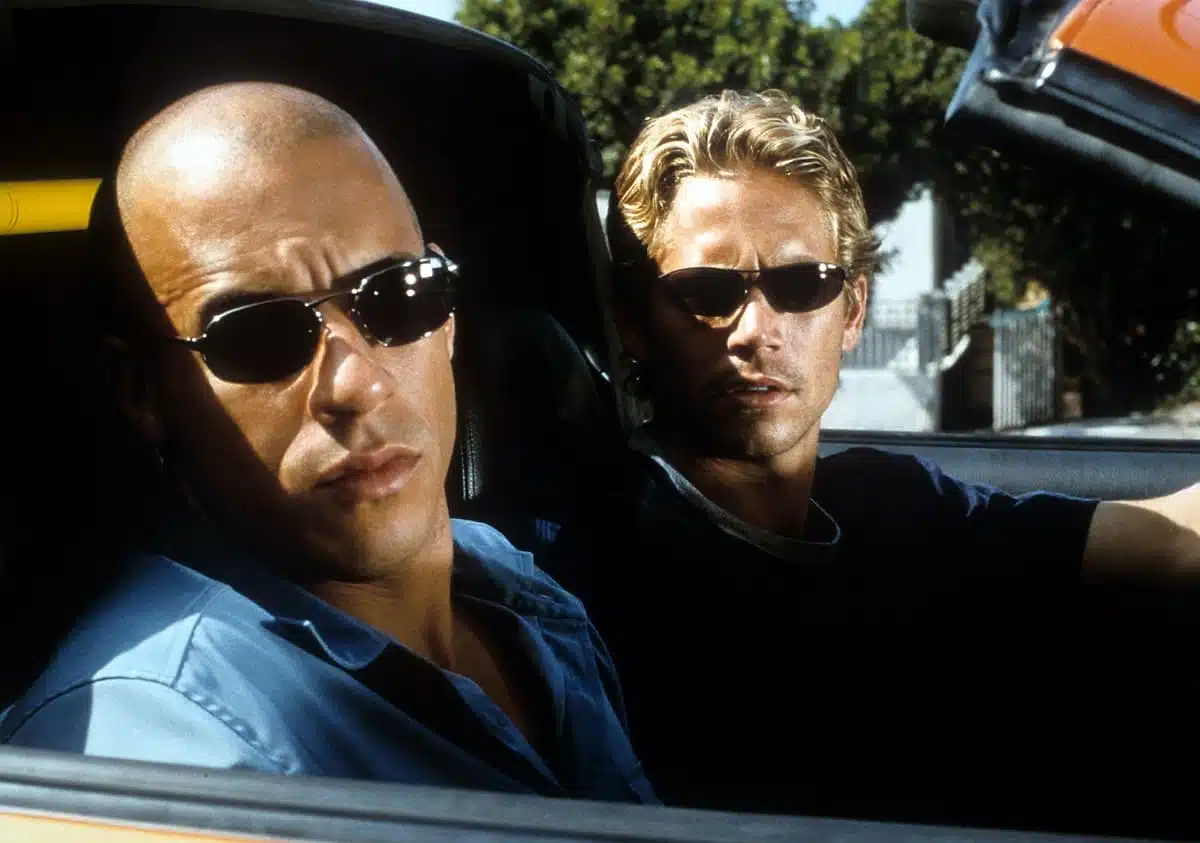
Logistics expert Joe Webster notes that managing these fleets requires the precision of a military operation.
Planning for these sequences begins months before filming starts to ensure every car reaches the set on schedule.
Many of these vehicles serve as background filler, while others undergo heavy modification for specific impacts.
Transformers relied on this quantity to maintain a sense of scale during its flagship action sequences.
The sheer volume of steel used reflects a preference for physical stunts over digital substitutes.
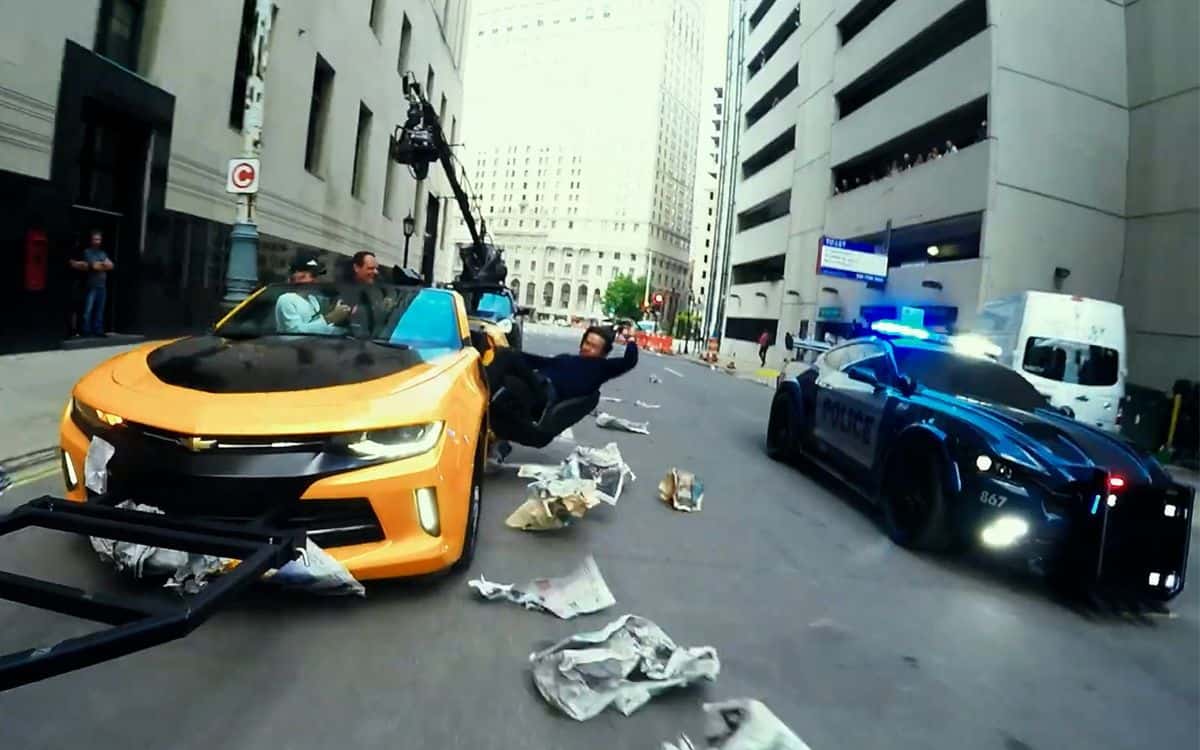
The Fast & Furious series remains a frequent contributor to these destruction statistics.
Each installment typically increases the number of vehicles sacrificed to keep pace with evolving stunt choreography.
Directors often prefer the predictable physics of real metal and rubber on pavement.
This approach results in a significant amount of scrap metal at the conclusion of every major production.
Transformers currently maintains the highest confirmed count of destroyed vehicles in a single production.
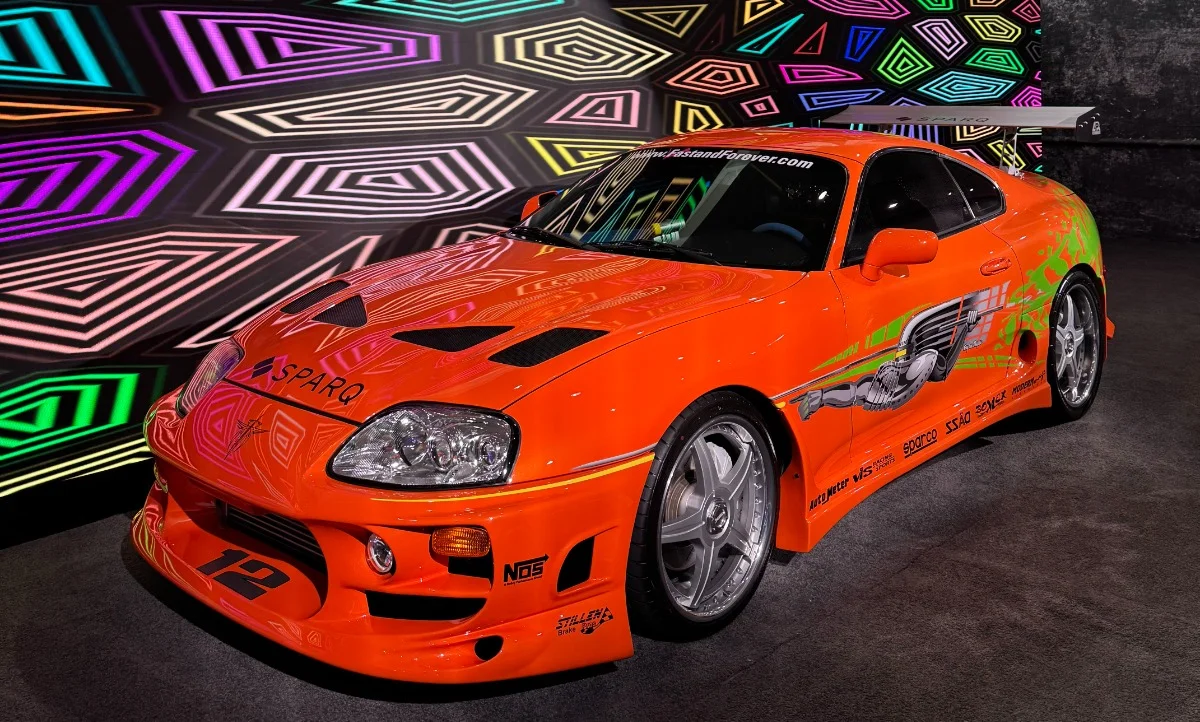
The Fast & Furious franchise occupies five positions on the list of most destructive film sets.
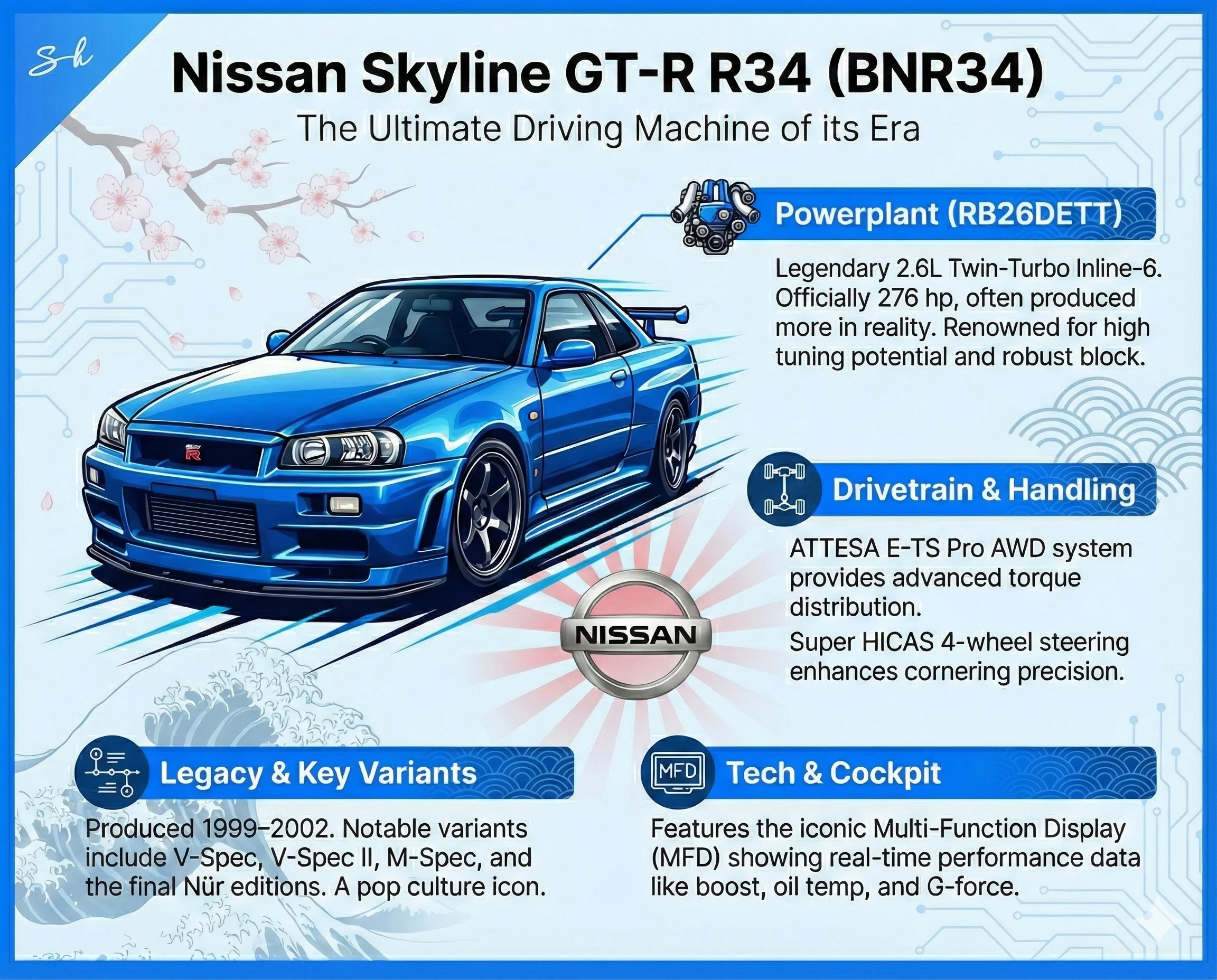
Fast & Furious 6 accounted for 350 cars, while Fast Five and Tokyo Drift reached 260 and 249, respectively.
Production teams distinguish between ‘hero’ cars used for close-ups and ‘mule’ cars destined for total destruction.
Moving these fleets across international borders involves complex customs and transport arrangements.
The Matrix Reloaded also utilized 300 cars on a 1.4-mile freeway loop constructed specifically for the film.
Unlike the background wreckage in Transformers, these vehicles were used for precise, high-speed impact sequences.
The high cost of realistic carnage
The demand for physical automotive stunts persists despite the availability of high-quality digital effects.
Practical wreckage provides a level of visual detail in shattered glass and crumpled panels that remains difficult to replicate entirely in post-production.
This requirement ensures that vehicle shipping and prep crews remain essential to action filmmaking.
Sourcing hundreds of scrap vehicles and delivering them to remote locations requires a specific logistical skill set.
The film industry constantly evaluates the cost of physical assets against the budget for digital rendering.
Recycling has become a standard part of the cleanup process for modern film sets.
Once a production like Transformers, The Matrix, or Fast & Furious concludes, the metal remains are sent to local recycling facilities.
This process allows the industry to manage the environmental impact of such high vehicle counts.
Recovering the scrap value helps offset the initial cost of sourcing the salvage units.
This logistical cycle supports the continued use of real vehicles in contemporary action cinema.
It leaves one wondering which upcoming production will finally attempt to break the current record for on-screen mechanical carnage.
DISCOVER SBX CARS: The global premium car auction platform powered by Supercar Blondie