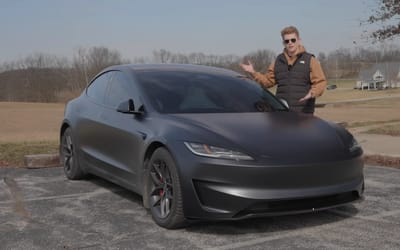
28-year-old Baltimore resident on quest for affordable Chinese EV would do anything to even test drive one
Published on Mar 27, 2026 at 9:06 AM (UTC+4)
by Molly Davidson
Last updated on Mar 26, 2026 at 5:16 PM (UTC+4)
Edited by
Mason Jones
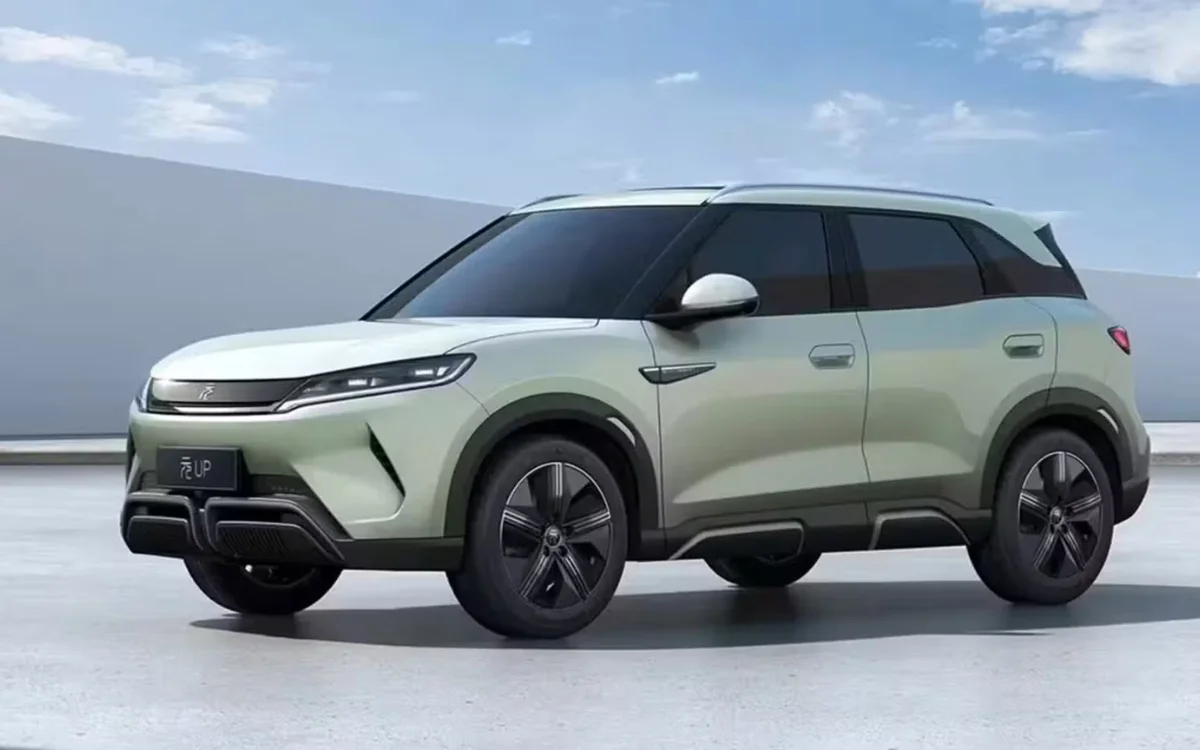

A 28-year-old Baltimore resident wants to buy an affordable Chinese EV, but he can’t even get near one.
He’s already narrowed it down to a few models he wants.
He just has no way to see them in person.
And that’s starting to frustrate more people than just him.
Enter our competition to win a stunning 2006 Ford GT or $400,000 cash!
Baltimore buyer locked out of the affordable Chinese EV market
Sooren Moosavy has been searching for an electric car that doesn’t cost a fortune, Reuters reports.
Like most buyers, he wants something smooth, efficient, and reasonably priced, which led him to brands like BYD, Geely, and Zeekr.
On paper, they make a lot of sense.
They’re compact, well-equipped, and much cheaper than most electric cars in the US.
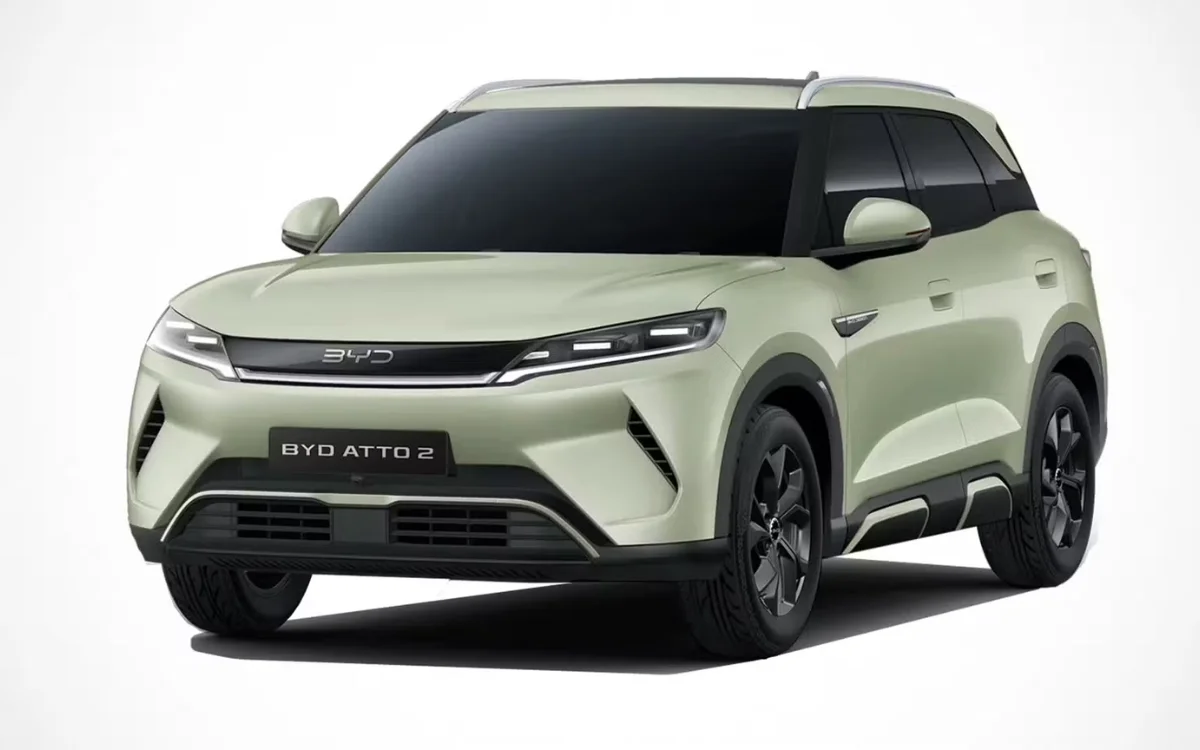
However, none of that helps when you can’t actually buy one, or even test drive it.
Moosavy says he’d ‘love the opportunity’ to get behind the wheel, but those cars are effectively off-limits in the US market.
Meanwhile, in other parts of the world, they’re already everywhere.
In Europe, some Chinese EVs sell for under $30,000, which stands out when the average new car in the US is pushing toward $50,000.
They’re also packed with features.
Think driver-assist tech, premium interiors, and even extras like built-in fridges or karaoke modes.
One Edmunds editor who tested several Chinese models said the level of tech for the price was ‘astounding’.
So while Moosavy’s situation sounds specific, it points to something bigger.
People can see what’s available elsewhere, and the gap is getting harder to ignore.
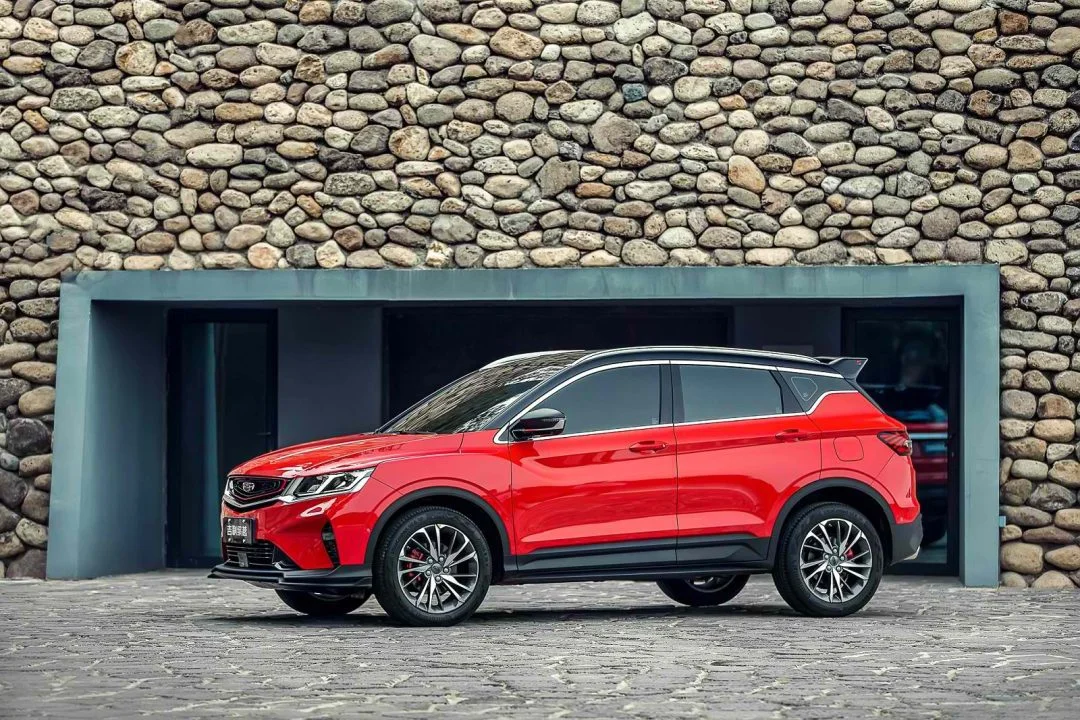
Why Americans can’t buy the electric cars everyone else is getting
The reason mostly comes down to policy.
Chinese EVs face tariffs of more than 100 percent in the US, which effectively blocks them from entering the market.
On top of that, there are concerns about data security and protecting domestic jobs.
There’s also strong resistance from both the industry and politicians.
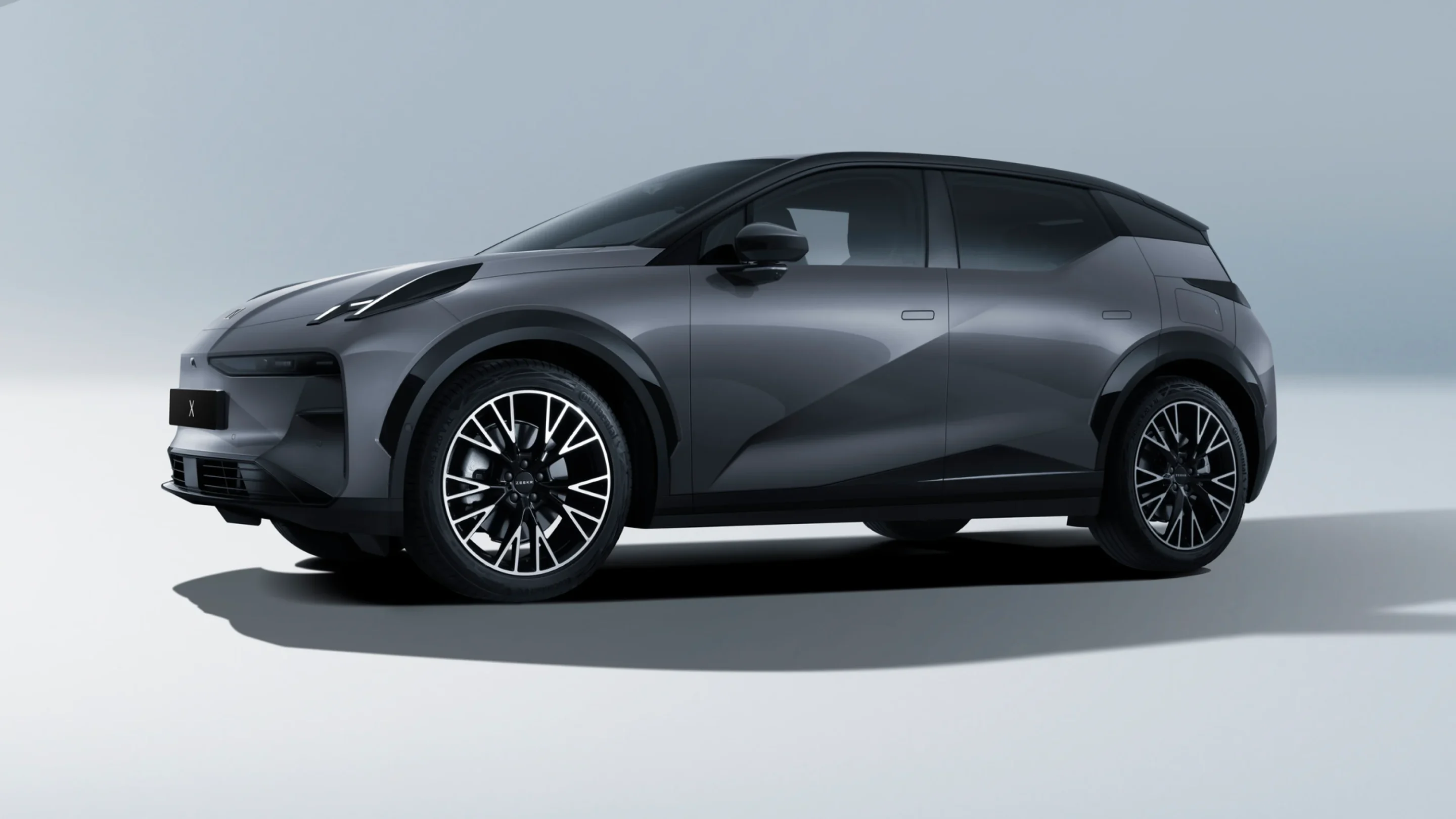
Trade groups have pushed to keep Chinese brands out, and some lawmakers have been very clear they don’t want them sold in the US at all.
At the same time, the rest of the world is moving in the opposite direction.
China has become the largest car exporter globally, and its electric cars are already spreading across Europe, Latin America, and markets like Mexico and Canada.
That contrast is starting to show.
Surveys suggest nearly half of US consumers see Chinese cars as strong value, and many are open to them entering the market.
Some people are even looking for workarounds.
One YouTuber is considering buying a Chinese EV in Mexico and driving it back across the border, simply because there’s no other way to get one.
And when it gets to that point, it’s pretty clear this isn’t just curiosity anymore.
DISCOVER SBX CARS: The global premium car auction platform powered by Supercar Blondie
With roles at TEXT Journal, Bowen Street Press, Onya Magazine, and Swine Magazine on her CV, Molly joined Supercar Blondie in June 2025 as a Junior Content Writer. Having experience across copyediting, proofreading, reference checking, and production, she brings accuracy, clarity, and audience focus to her stories spanning automotive, tech, and lifestyle news.