People are just discovering why roads in the United States are often perfectly straight while UK roads are the opposite
Published on Mar 09, 2026 at 3:51 PM (UTC+4)
by Jason Fan
Last updated on Mar 09, 2026 at 7:53 PM (UTC+4)
Edited by
Emma Matthews

US roads and UK roads can look completely different on a map, and many drivers are only just realizing why.
While American highways often stretch for miles in almost perfectly straight lines, British roads twist and curve like a bowl of spaghetti.
The difference isn’t about driving style or modern engineering choices.
Instead, it comes down to history, geography, and how each country originally divided up its land.
Click the star icon next to supercarblondie.com in Google Search to stay ahead of the curve on the latest and greatest supercars, hypercars, and ground-breaking technology
Much of the US countryside is extremely flat
One of the biggest reasons for the straightness of many US roads goes back to the late 18th century.
In 1785, the US government introduced a system that divided huge swathes of land into neat square plots called townships.
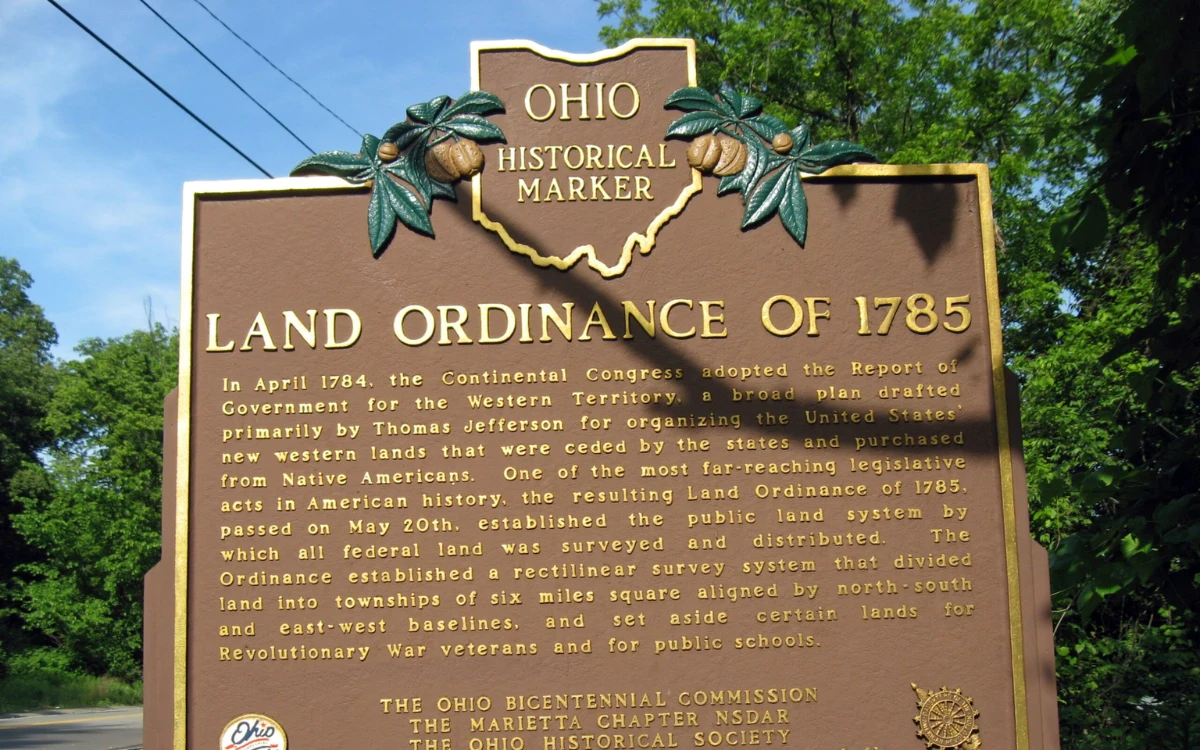
Each township measured six miles by six miles and was further divided into smaller square sections.
Because property boundaries were already laid out as straight lines, it made sense for engineers to build roads along those borders.
The result was a giant grid stretching across much of the country, particularly in the Midwest and Great Plains.
The geography of the United States also helped.
Large parts of the country consist of wide, relatively flat landscapes with fewer ancient settlements in the way.

With plenty of open space to work with, planners could design roads that followed the most direct routes possible.
UK roads are ancient compared to their US counterparts
The story in the United Kingdom is almost the exact opposite.
Many UK roads trace their origins back hundreds or even thousands of years.
Long before cars existed, people traveled along paths shaped by rivers, hills, farmland boundaries, and ancient trade routes.

When these paths were eventually paved and turned into modern roads, they kept their winding layouts rather than being redesigned from scratch.
Britain also developed its road network gradually over centuries, with laws like the Highways Act 1773 helping regulate existing roads rather than completely redesigning them.
Because towns and villages were already established long before large-scale road planning began, roads often had to curve around buildings, property lines, and natural obstacles.
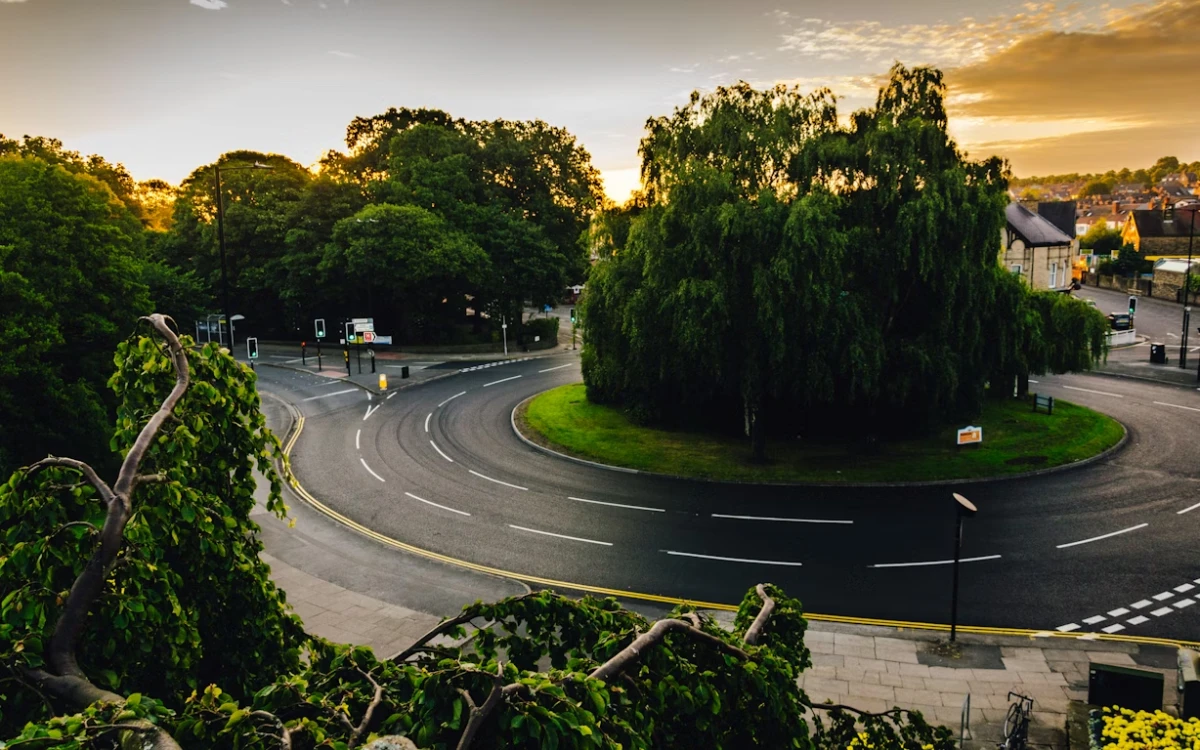
This is one reason why the UK is home to many complex roundabouts that make little sense to many foreigners.
In other words, US roads were largely planned first and built later, while UK roads often evolved from old paths that already existed.
So there you have it: the next time you notice those ruler-straight American highways, remember they’re the product of vast landscapes and relatively modern planning.
Meanwhile, the winding lanes of the UK are essentially living history, taking you along the same path that people have traveled for centuries.
DISCOVER SBX CARS: The global premium car auction platform powered by Supercar Blondie