Warning states that something everyone does with their iPhone is actually killing their device
Published on Jan 28, 2026 at 4:07 PM (UTC-5)
by Daisy Edwards
Last updated on Jan 28, 2026 at 4:07 PM (UTC-5)
Edited by
Daisy Edwards
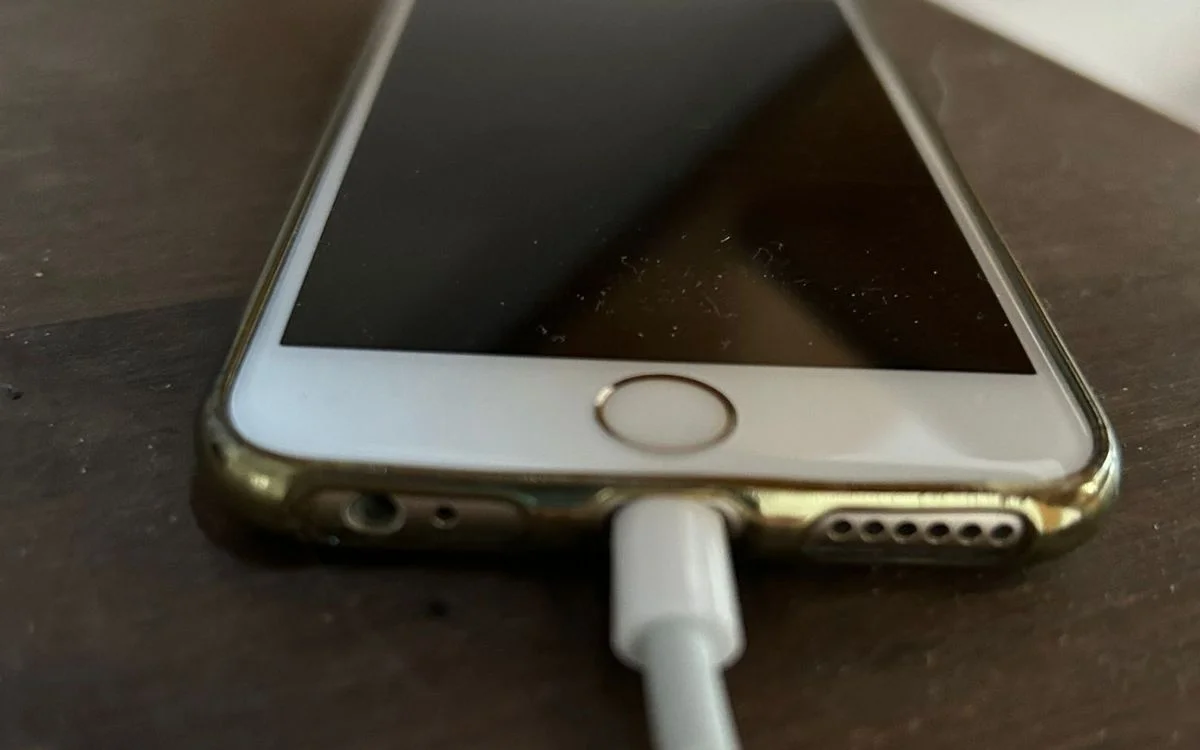

If you have an Apple product, you might be doing something that’s secretly killing your device.
It is a habit so common that most people would never think twice about it.
But repair experts say it can slowly cause damage that is almost impossible to spot until it is too late.
And once the effects show up, the fix is often far more expensive than anyone expects.
EXPLORE SBX CARS – Supercar auctions starting soon powered by Supercar Blondie
Heed this warning about iPhone chargers
Most people assume tech is just the same thing with any old brand slapped on it; a phone is a phone, a charger is a charger, especially when your battery is in the red, and you just need power fast.
The problem is that ultra-cheap chargers and cables often skip the protection and quality control found in reputable accessories from the tech companies that make the actual products you’re charging.
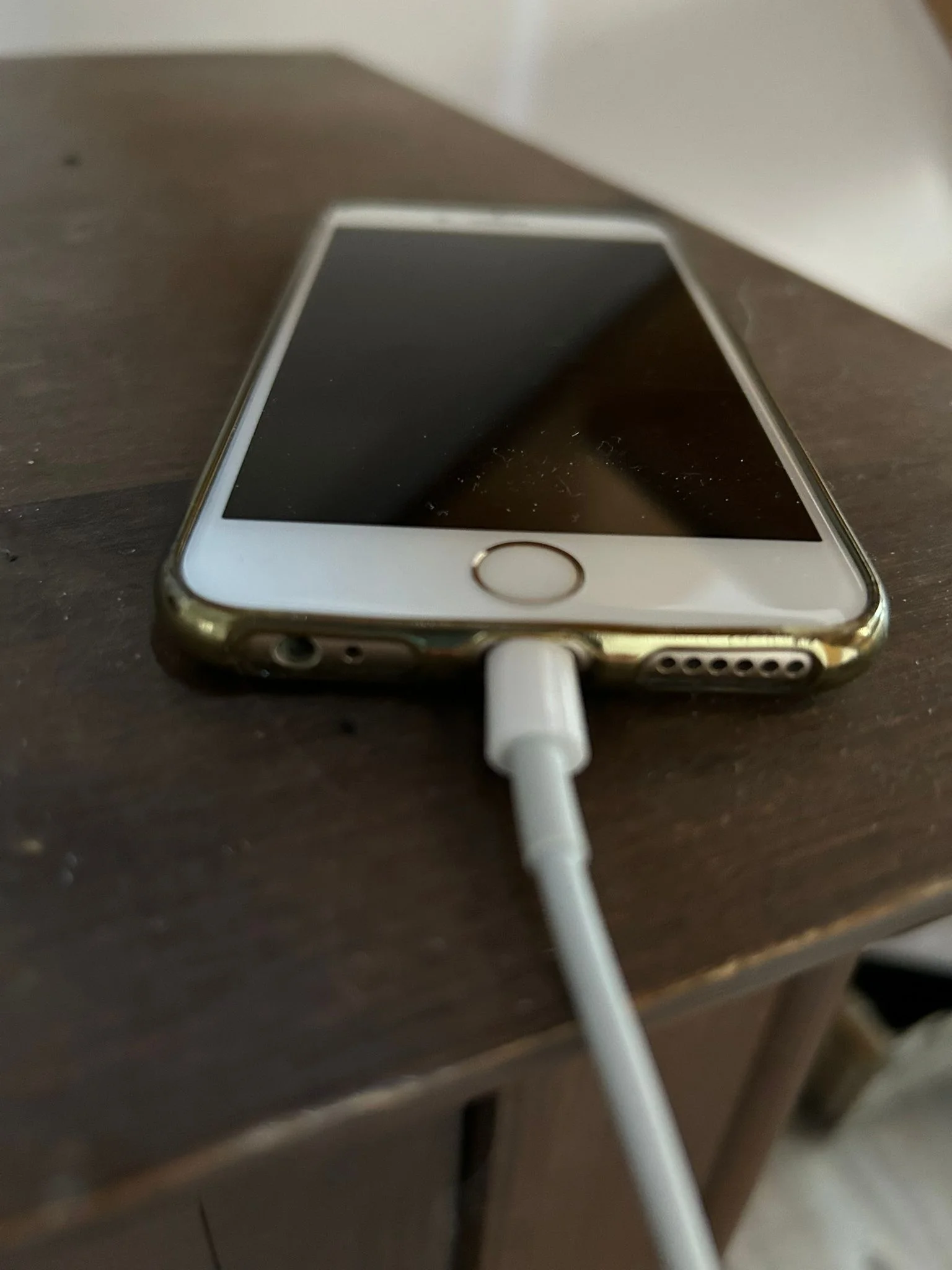
Apple devices are designed to work with specific charging standards, and many third party accessories follow those rules through Apple’s MFi program, short for Made for iPhone, iPod, or iPad.
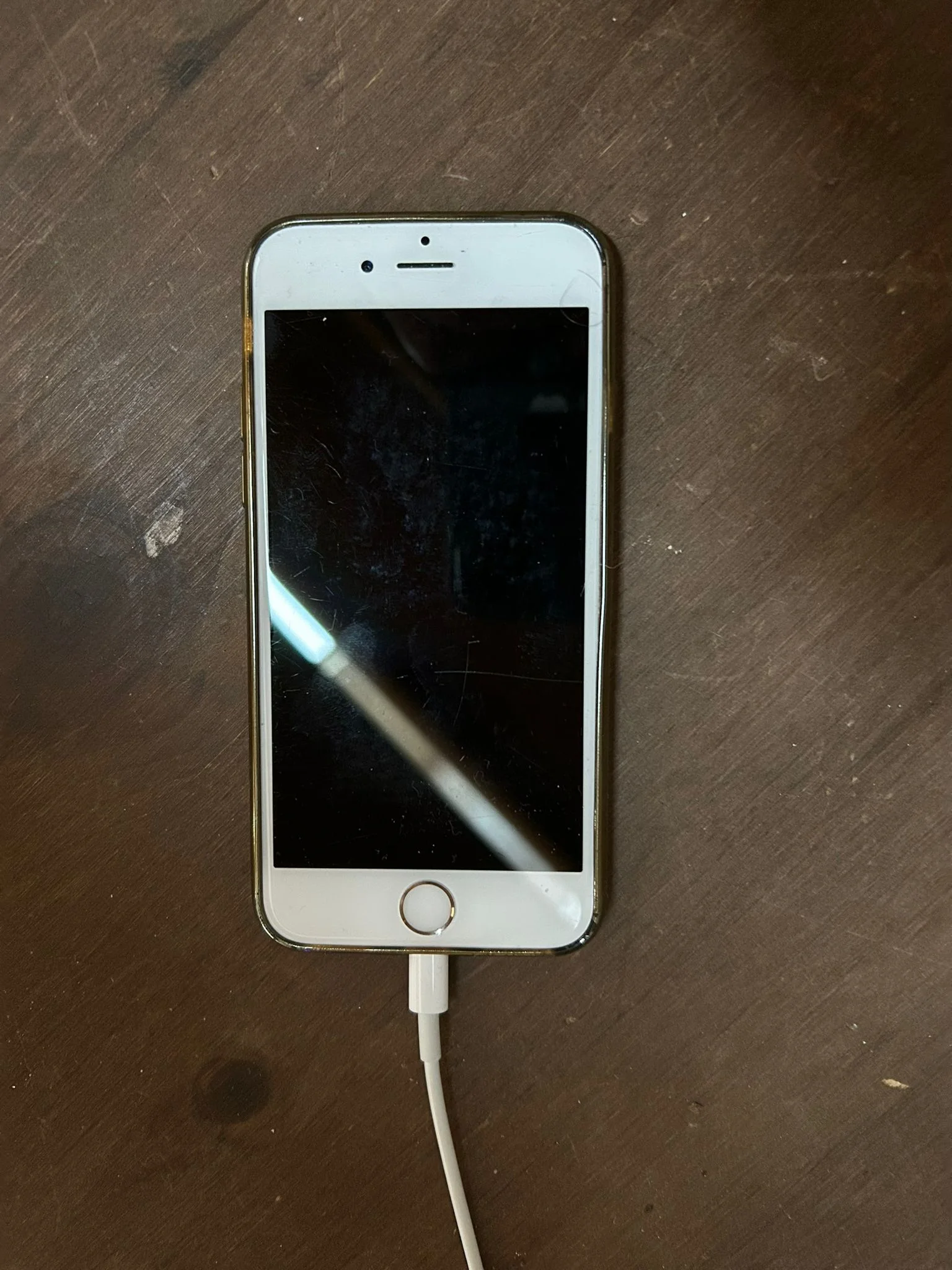
In simple terms, MFi-certified cables are built to Apple’s specs and include components designed to keep power delivery stable.
Knockoffs can look identical on the outside, and some even come with fake certification labels. But inside, they may be missing the parts that help protect your iPhone from voltage spikes and fluctuations.
Click the star icon next to supercarblondie.com in Google Search to stay ahead of the curve on the latest and greatest supercars, hypercars, and ground-breaking technology
Related

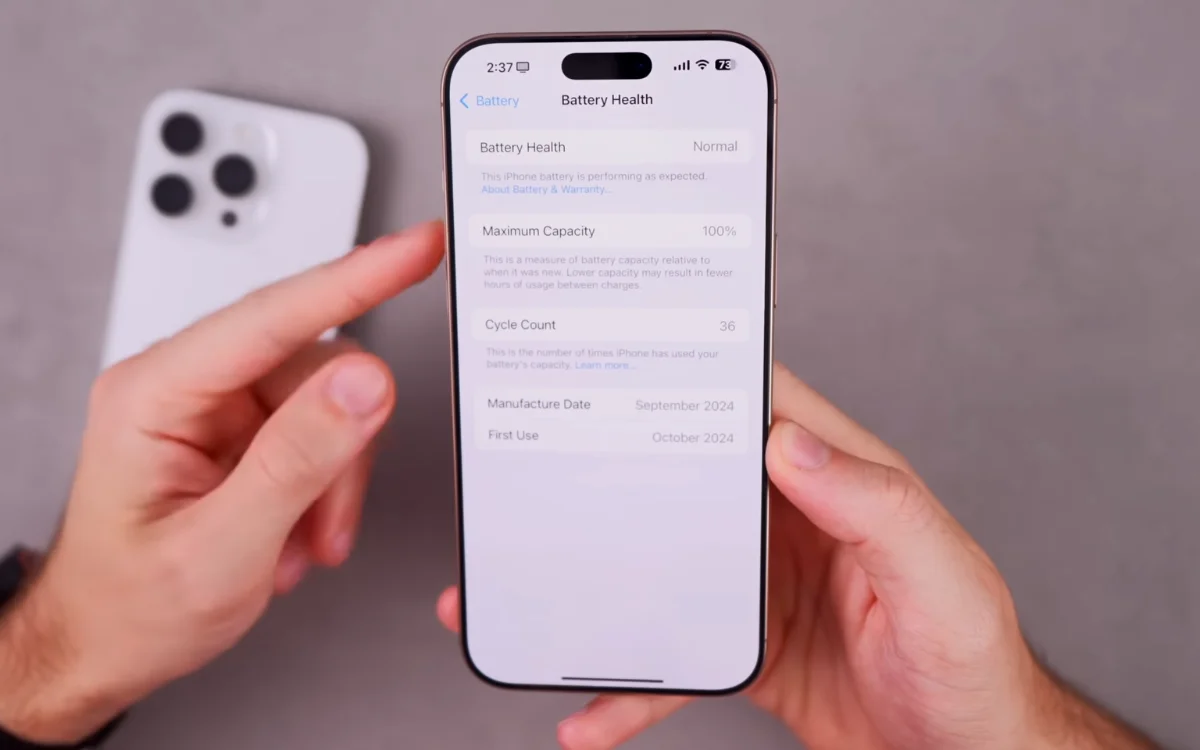
You are killing your device with knockoff cables
The biggest risk is damage to the iPhone’s charging control hardware on the logic board, often referred to by repair shops as the Tristar or U2 chip.
If that chip gets fried, your iPhone’s charging behaviour can start to get weird.
Common red flags include the iPhone showing it is charging but the battery percentage not moving, sudden battery drops, charging stopping at random percentages, the phone refusing to charge a dead battery, or USB and iTunes errors that are caused by interrupted connections.
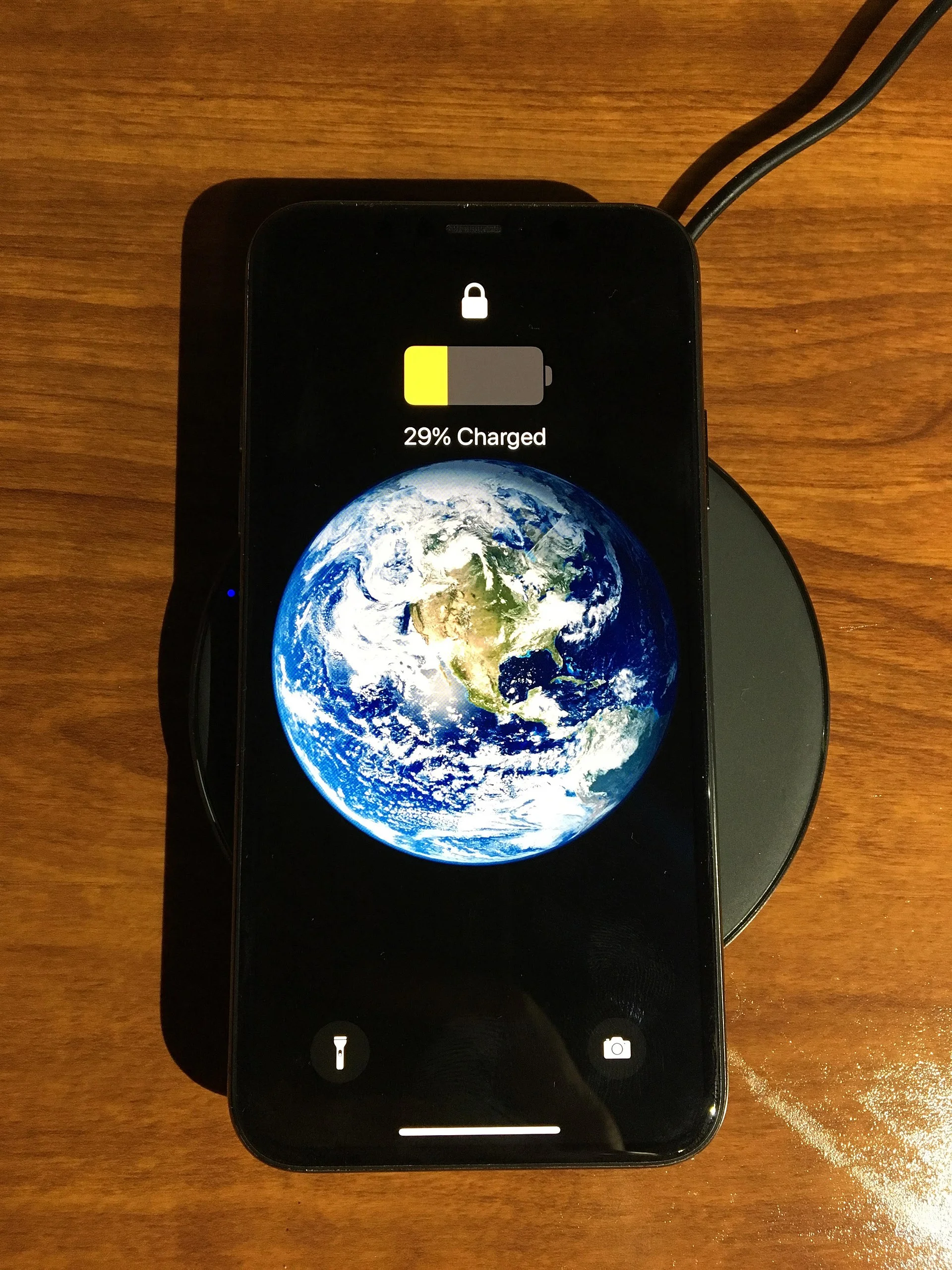
Here’s the frustrating part: swapping the battery or replacing the charging port usually will not fix it, because the problem is deeper on the motherboard.
Repairs often require microsoldering, which typically means an independent repair specialist.
If you want the safest move, skip the bargain bin and stick to reputable brands, verified sellers, and MFi certified cables, the cheap option can end up being the most expensive one in the long run.
Daisy is a technology and automotive journalist covering artificial intelligence, consumer tech, Apple news, cryptocurrency, emerging technologies, and transportation innovation. Since joining the team in 2025, she has reported on everything from AI-powered startups and major iOS updates to viral car stories and the latest developments shaping transportation and the digital economy. Drawing on her background in automotive journalism and a degree in History and Journalism from Goldsmiths, University of London, Daisy specializes in breaking down complex topics into clear, engaging reporting for a global audience. Her work spans cutting-edge technology, innovative vehicles, and the people driving change across both industries. Daisy has gained first-hand access to some of the world's most talked-about technologies and innovators, including meeting Tesla's Optimus humanoid robot during its first European appearance in London. She has also discussed the future of space exploration with an astronaut, bringing unique insights and real-world perspectives to her coverage of emerging technology.




