Proposed 14,000 mph train would have traveled from NYC to LA in 21 minutes
- The idea of the high-speed train was theorized in 1972 by a scientist
- The train would use magnetic levitation and superconduction
- It would have been capable of traveling at 14,000 mph
Published on Jul 24, 2024 at 4:26 AM (UTC-4)
by Alessandro Renesis
Last updated on Jul 24, 2024 at 11:01 AM (UTC-4)
Edited by
Tom Wood
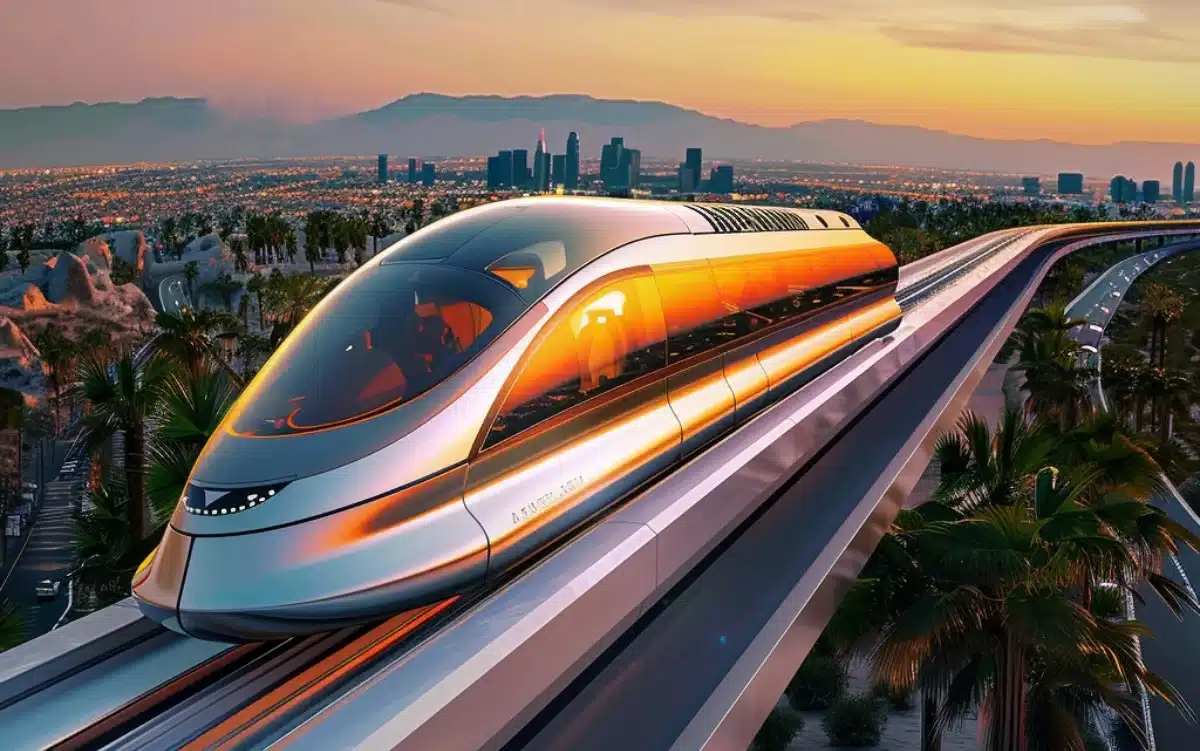

Some good ideas get canned because they’re too expensive, while other ideas get dismissed because they’re just impossible.
That’s the case with the proposed ‘VHST’, which stands for Very High Speed Transit System.
Had it made it to fruition, it would have done pretty much exactly what that name suggests.
The proposed system would’ve been capable of traveling at speeds of up to 14,000mph, which clearly sounds a bit far-fetched, to put it mildly.
The name probably didn’t help it with that.
DISCOVER SBX CARS: The global premium car auction platform powered by Supercar Blondie
The 14,000mph train was the brainchild of a scientist called Robert M. Salter in 1972.
The project was theorized by Salter while working for Rand, a nonprofit company that still exists today.
In fact, a detailed 20-page description of how the VHST would work is still available online.
How would the 14,000 mph train work?

The best way to summarize the 20-page report is by using the word ‘Maglev’.
With today’s technology, there’s probably no better way to make a train go fast.
Maglev – which stands for Magnetic Levitation – trains do already exist, like the ‘Sky Train‘ in China.
The fastest one can travel at 1,000km/h, but there are several other versions that also travel pretty fast.
Salter’s train would’ve used superconduction to carry more current, and then a cryogenic fluid system to cool the magnets, to reach the incredible speed of 14,000mph.
A trip from Los Angeles to New York would take just over 20 minutes.
Related



A spotlight on a bigger problem
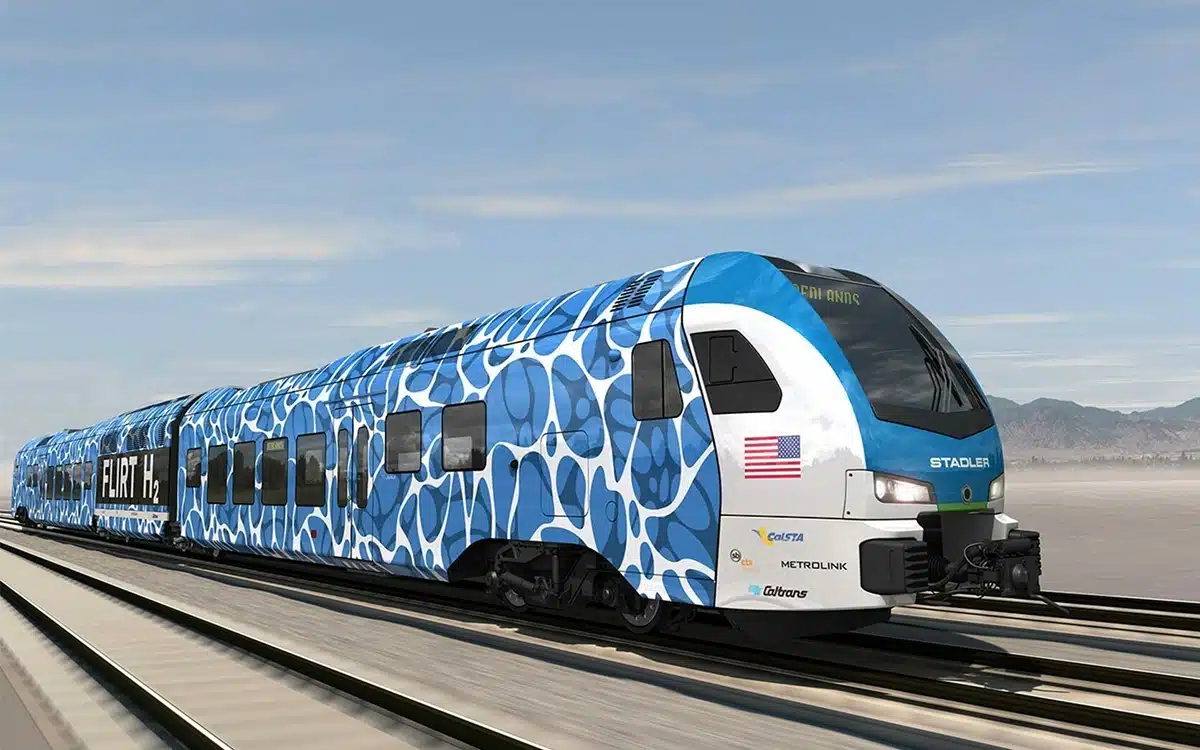
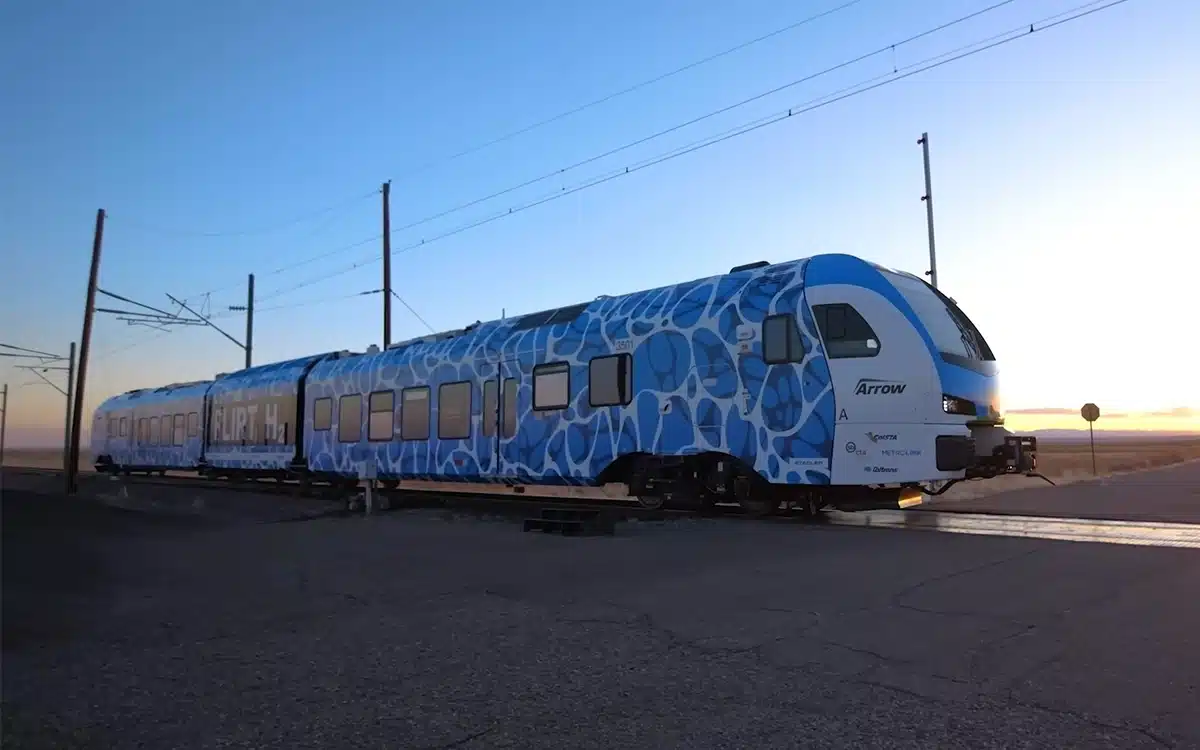
A 14,000-mph train, as far as ideas go, is pretty extreme.
But there’s a much bigger problem that’s not really being addressed, and that’s the railway system in the US.
Or lack thereof, to be more accurate.
By simple virtue of being a very large country, the US technically has more miles of railway than Europe.
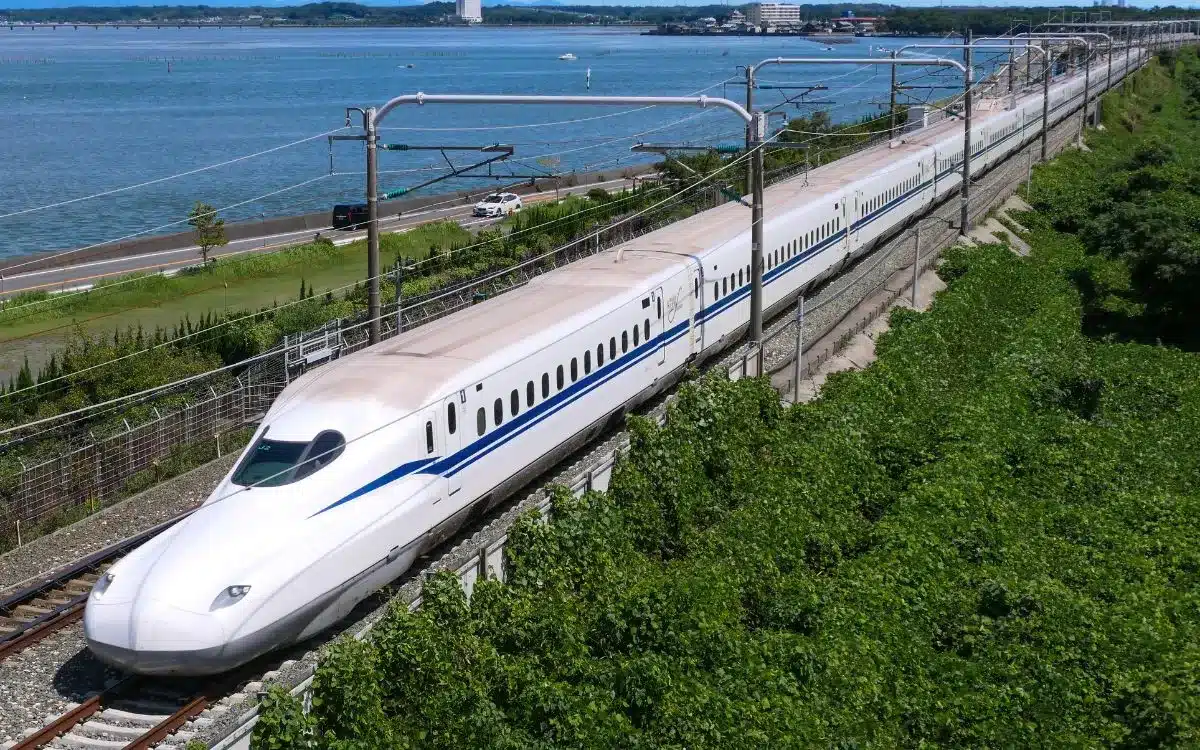
But anybody who’s actually tried to use trains in Europe versus the US knows this is a red herring.
Traveling across the US by train is still difficult, but this is probably due to two factors.
First, in the US, the motor vehicle per capita ratio is very high, with nearly one vehicle per person.
The second reason is that – precisely because the US is large – if A and B are too far apart to drive, then people just fly.
Alessandro is an automotive journalist with 10 years of experience covering supercars, automotive history, emerging vehicle technology, and luxury transportation. He wrote the first article published on SupercarBlondie.com when the website launched in 2022 and has since built a reputation for insightful reporting across the automotive and transportation industries. His expertise is grounded in hands-on experience. Alessandro has driven every Tesla model ever produced, from the original Roadster to the Cybertruck, and regularly covers the latest developments in electric vehicles and automotive innovation. His passion for transportation extends beyond cars, he has even flown a Boeing 787 Dreamliner simulator in Addis Ababa, Ethiopia. His reporting spans everything from classic American muscle cars and rare automotive discoveries to luxury yachts, private aircraft, high-end watches, and cutting-edge vehicle technology. Known for his deep knowledge of automotive history and ability to uncover the stories behind iconic vehicles, Alessandro brings readers a blend of historical context, technical expertise, and first-hand experience.