Wild photos show just how big a classic Lincoln Continental is compared to all other cars that aren't American land yachts
Published on Sep 05, 2026 at 12:00 PM (UTC-4)
by Daisy Edwards
Last updated on Sep 05, 2026 at 12:00 PM (UTC-4)
Edited by
Mason Jones
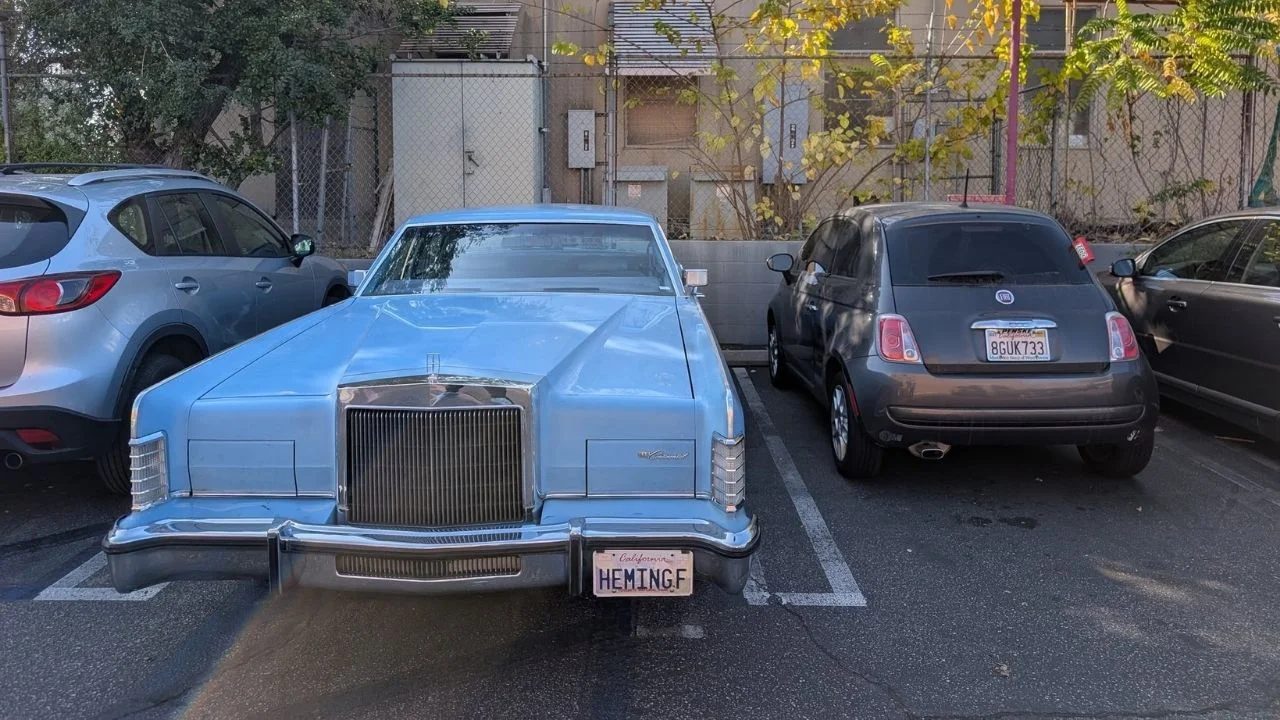

There are plenty of big classic cars, but these wild photos show just how ridiculous a classic Lincoln Continental could look next to almost anything else – no wonder they’re called American land yachts.
A huge Lincoln Continental has been photographed beside tiny European cars, another classic American car, and even a lineup of seemingly normal modern vehicles, and it dwarfs almost everything around it.
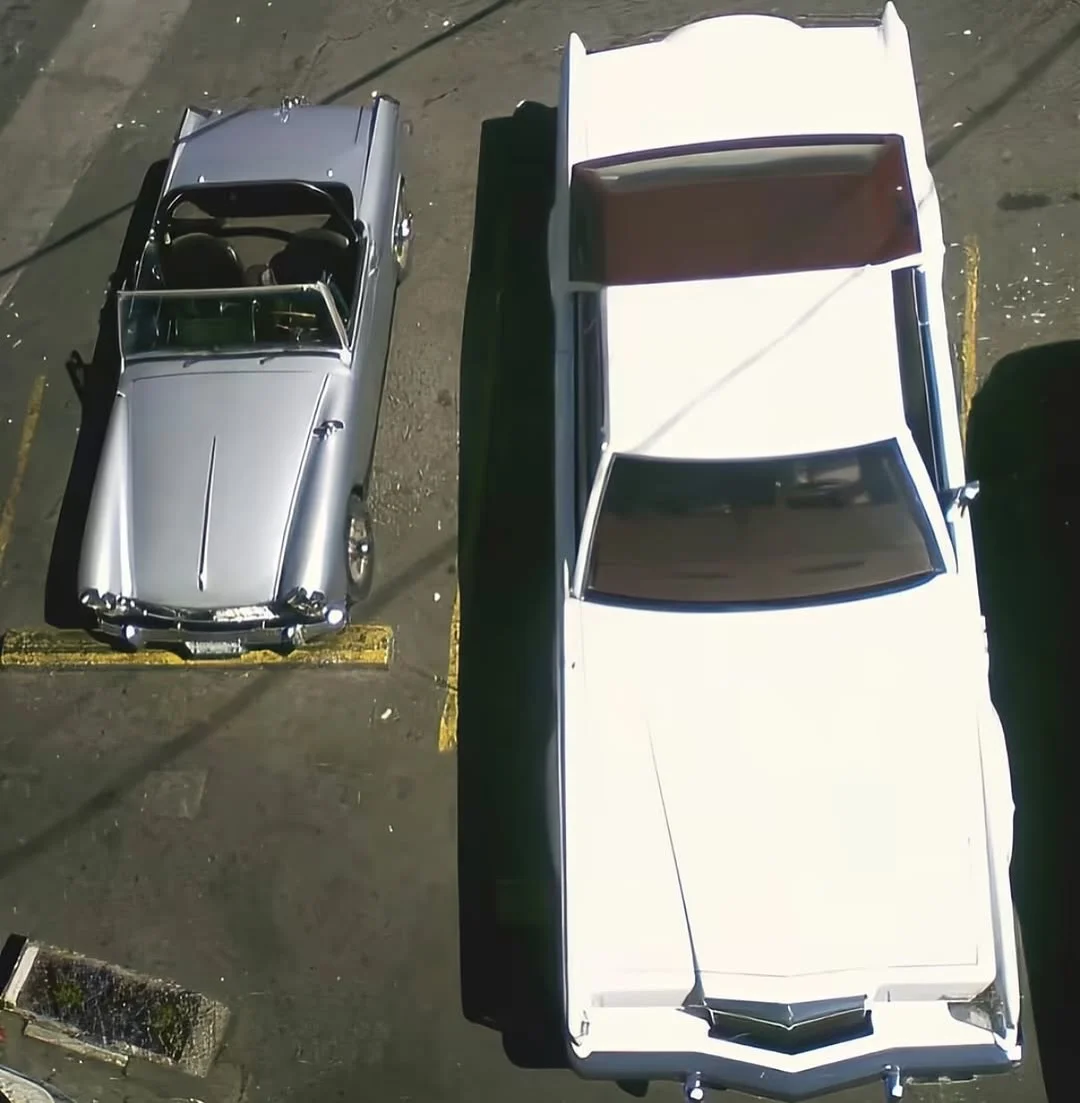
One overhead shot makes the difference particularly spectacular, with the Continental looking almost twice the size of the little roadster parked beside it.
We often think that cars from the past were tiny, but the Continental was doing its best to change that narrative.
The Lincoln Continental was built on a massive scale
The Lincoln Continental, particularly the Mark III, was a personal luxury coupe car produced for the 1969 through 1971 model years.
And while ‘large’ is doing some serious heavy lifting here, the numbers back up what some hilarious photos show.
A 1970 Lincoln Continental Mark III measured 216.1 inches long and 79.4 inches wide, with a 117.2-inch wheelbase.
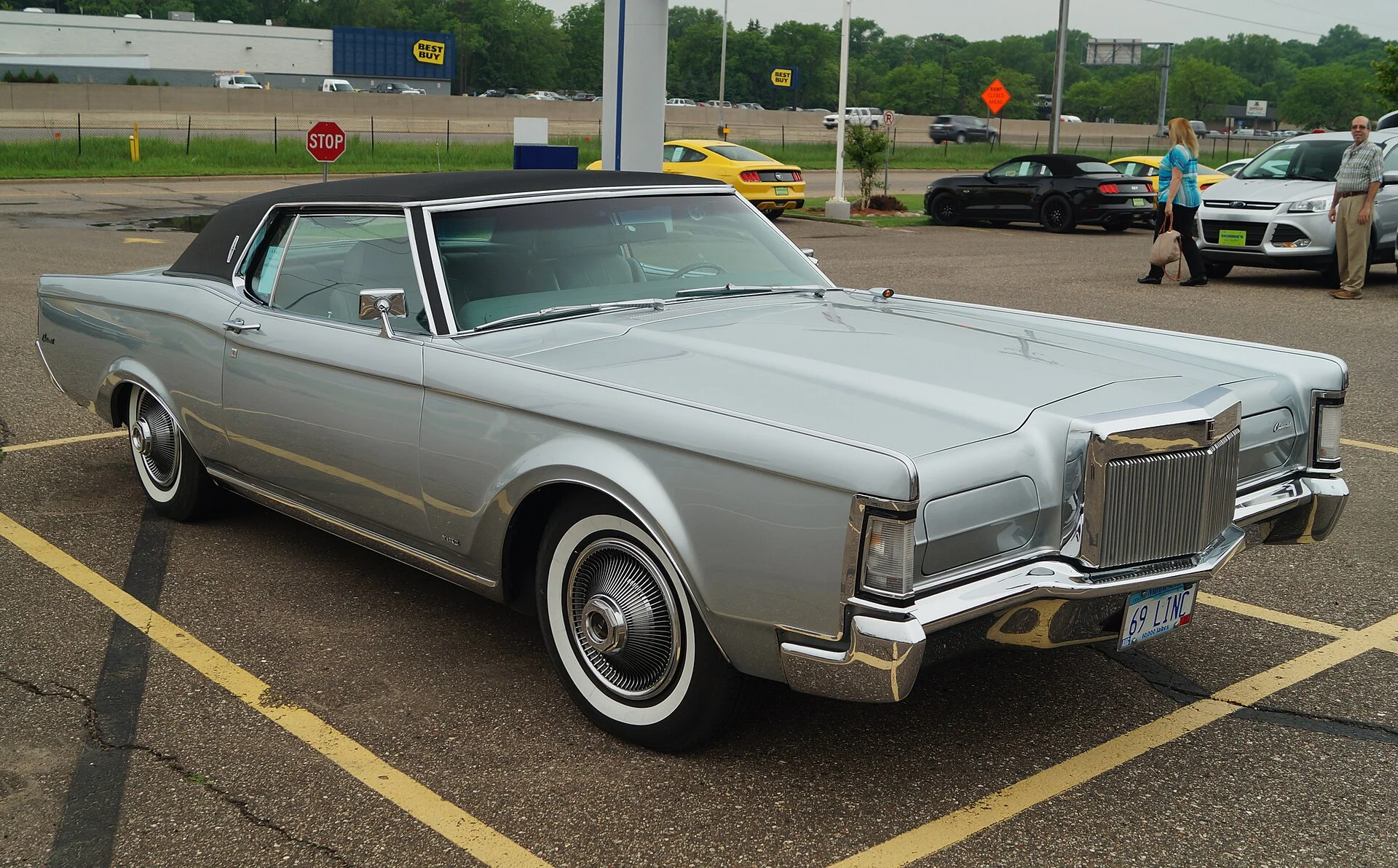
It weighed around 4,866 pounds and was powered by a 460-cubic-inch V8 producing 365 horsepower and that is an awful lot of car.
The first photo is particularly entertaining because the Lincoln is parked alongside a row of other vehicles, including what appears to be a small modern crossover and several sedans.
The Continental’s enormous rear end stretches so far over the end of its parking space that it looks like it belongs to a giant car planet.

Then there is the overhead comparison.
A tiny silver roadster is parked directly beside the giant white Lincoln, and the difference is almost cartoonish.
It makes the smaller car look positively miniature next to the Continental’s enormous hood and broad body, but it’s got to be spectacular if it belongs to the King of Rock and Roll.

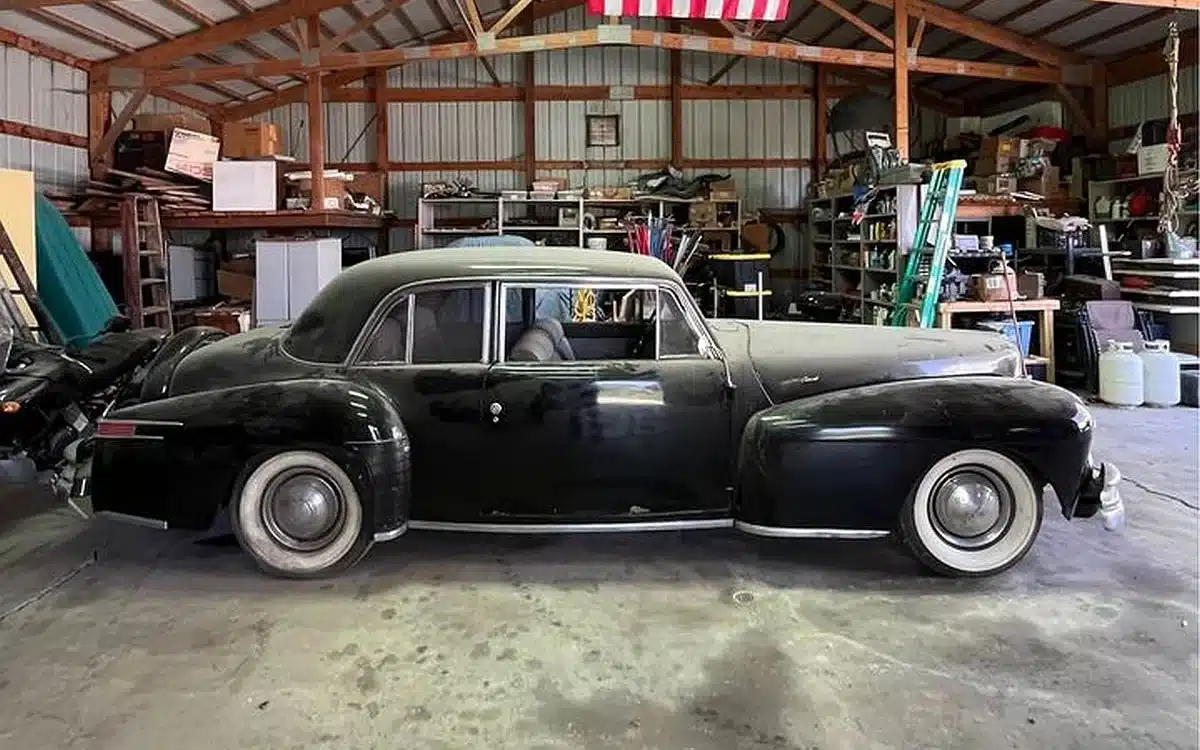
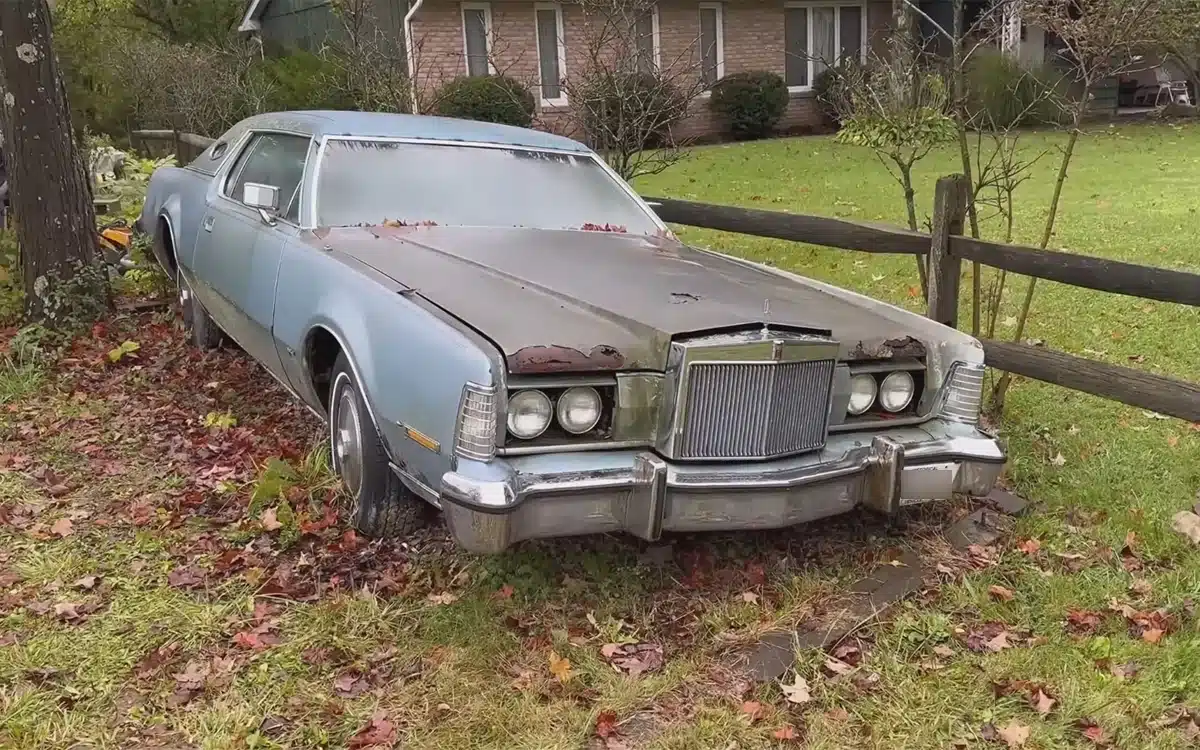
Even other big cars struggle to make the Continental look small
The photos become even more impressive when you start comparing the Lincoln with other cars from different eras.
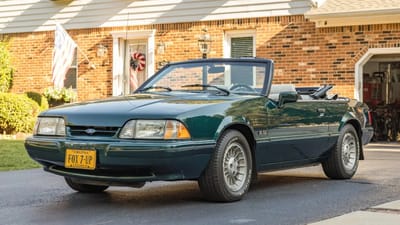
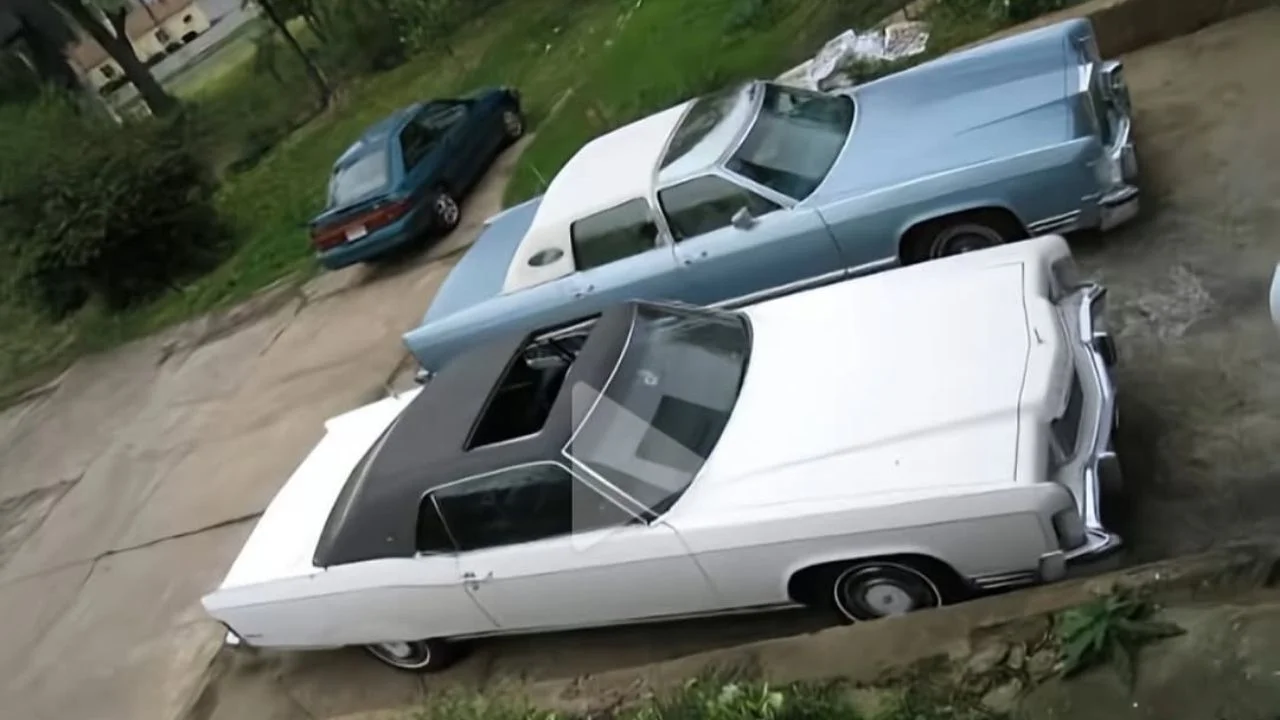
One shot shows the Continental beside another large classic car, and despite that car having plenty of presence of its own, the Lincoln still manages to dominate the frame.
But that was the whole point of the American land yacht.
The Mark III was created as Lincoln’s top-of-the-line personal luxury coupe and was intended to take on the Cadillac Eldorado.
Its styling included a huge grille, hidden headlights and the distinctive raised rear-deck treatment that made the car look even longer.
The 460 V8 produced oodles of torque, while the car used a three-speed automatic transmission and could carry six occupants.
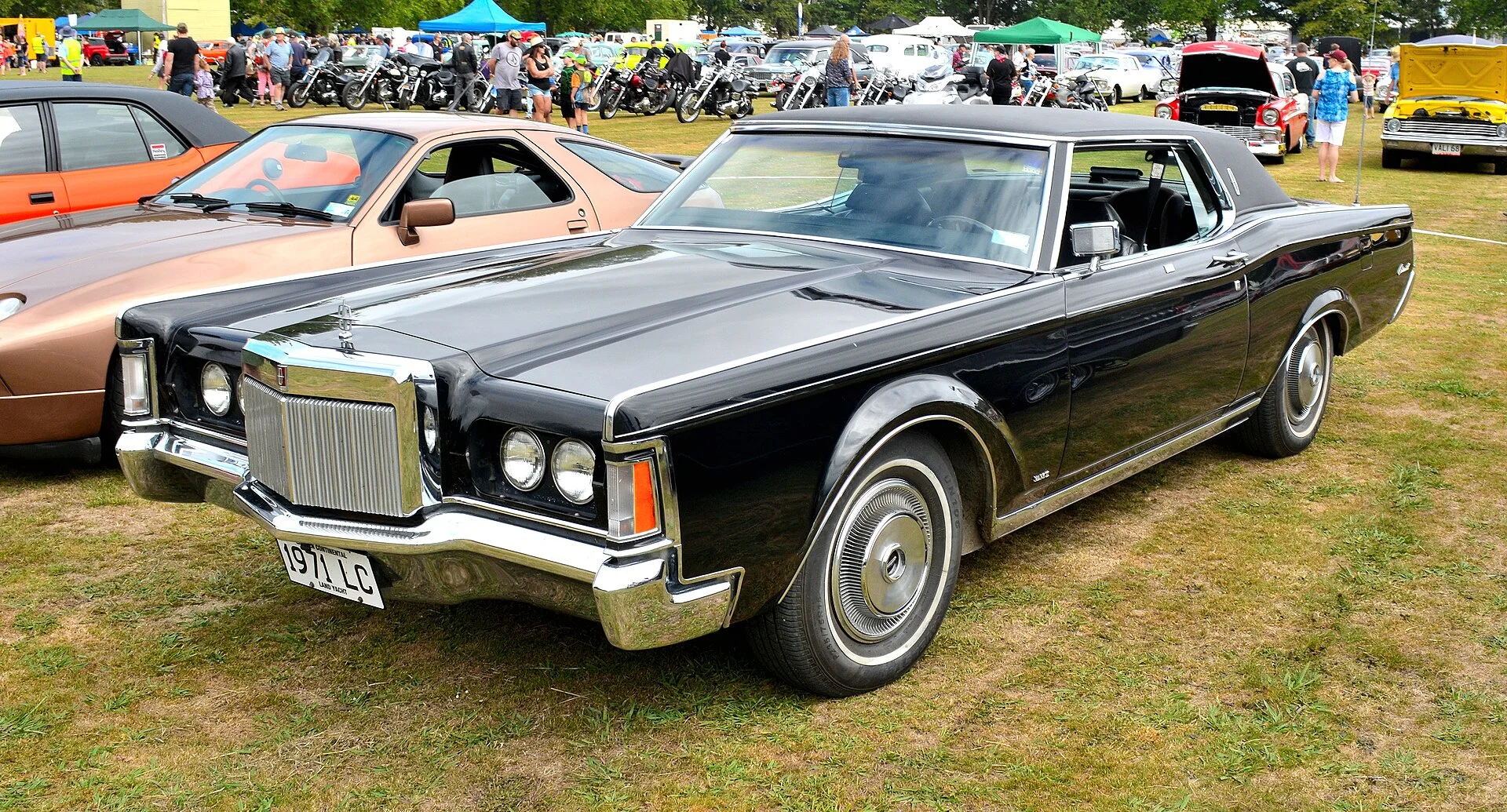
And that is what makes these photos so much fun.
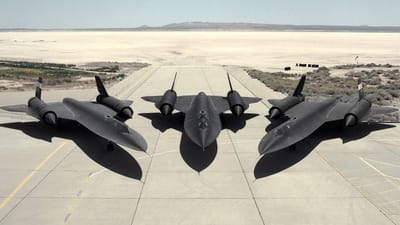
The Fiat 500 comparison shows how enormous the Continental looks next to a tiny European city car and the little roadster comparison shows that even a classic sports car can look miniature beside it.
The lineup of normal cars shows that you don’t even need an especially small vehicle to make the Lincoln look gigantic.
You just need to park almost anything next to it.
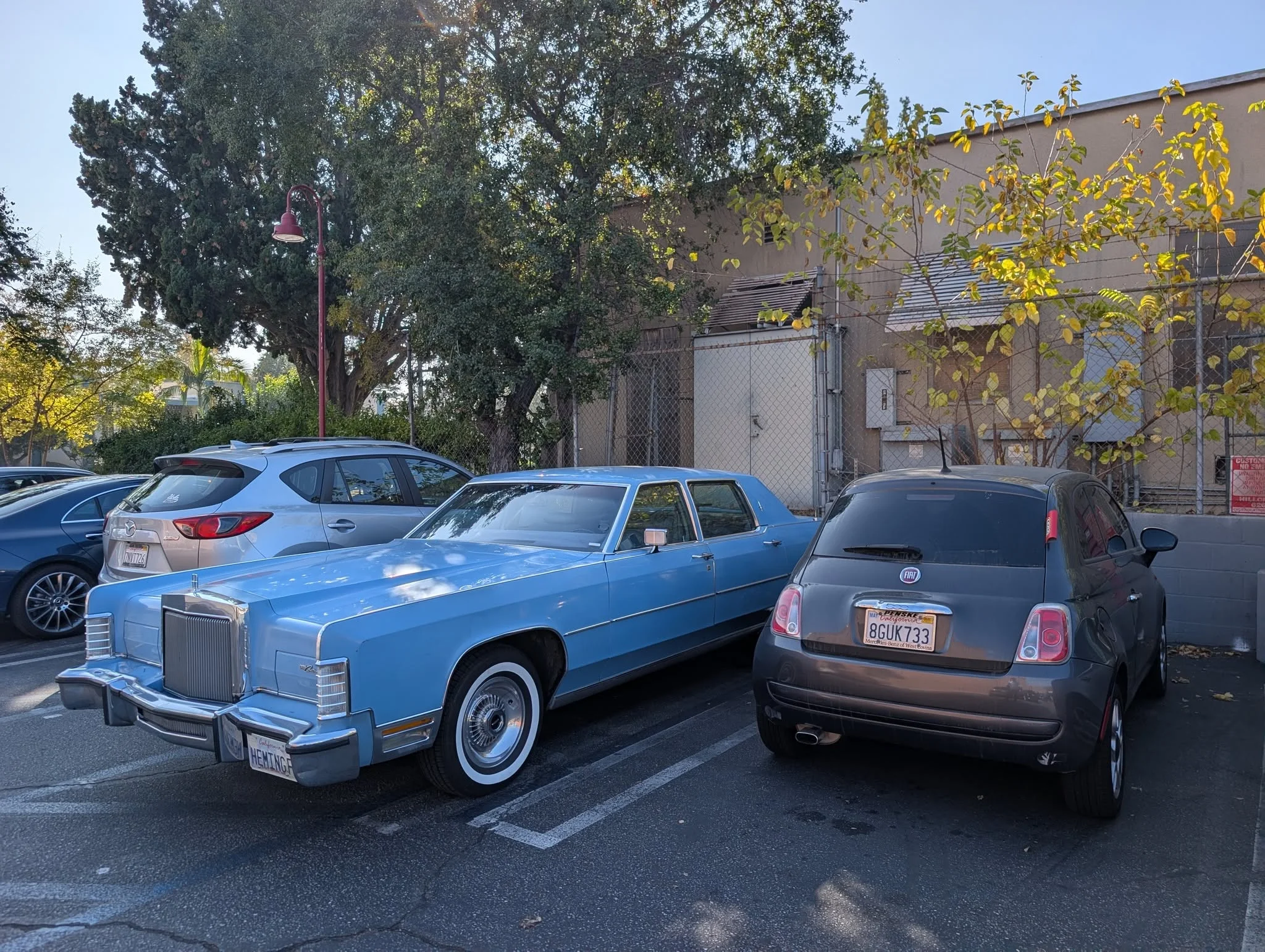
The classic Continental represents a time when American luxury meant acres of sheet metal, a huge V8 and enough road presence to make practically every other car look like it had been shrunk.
These photos might be the perfect visual proof that the American land yacht really was a different species of car, it was basically a yacht.
Daisy is a technology and automotive journalist covering artificial intelligence, consumer tech, Apple news, cryptocurrency, emerging technologies, and transportation innovation. Since joining the team in 2025, she has reported on everything from AI-powered startups and major iOS updates to viral car stories and the latest developments shaping transportation and the digital economy. Drawing on her background in automotive journalism and a degree in History and Journalism from Goldsmiths, University of London, Daisy specializes in breaking down complex topics into clear, engaging reporting for a global audience. Her work spans cutting-edge technology, innovative vehicles, and the people driving change across both industries. Daisy has gained first-hand access to some of the world's most talked-about technologies and innovators, including meeting Tesla's Optimus humanoid robot during its first European appearance in London. She has also discussed the future of space exploration with an astronaut, bringing unique insights and real-world perspectives to her coverage of emerging technology.