Ford is leveraging F1 engineering in order to make its cheap $30,000 electric truck work
Published on Feb 19, 2026 at 6:46 AM (UTC+4)
by Molly Davidson
Last updated on Feb 19, 2026 at 3:16 PM (UTC+4)
Edited by
Kate Bain

Ford is preparing to launch a $30,000 electric pickup built on its new Universal EV platform.
That number alone makes it one of the boldest EV plays in its lineup right now.
After pulling back on bigger electric projects, this truck has become the centerpiece of Ford’s reset.
And instead of chasing a massive battery, the manufacturer is chasing airflow.
DISCOVER SBX CARS – The global premium auction platform powered by Supercar Blondie
How Ford is using aerodynamics to make a $30,000 electric pickup viable
Ford’s EV division has had to regroup.
The F-150 Lightning didn’t ignite the market the way many hoped, the Model e unit absorbed heavy losses, and a planned three-row electric SUV was shelved.
So this affordable electric pickup isn’t just another model – it’s the practical bet.
The obstacle is simple but unforgiving: the battery accounts for roughly 40 percent of an EV’s total cost and up to 25 percent of its weight.
If you want to sell a truck for $30,000 and not bleed money, you can’t just add more cells to boost range.
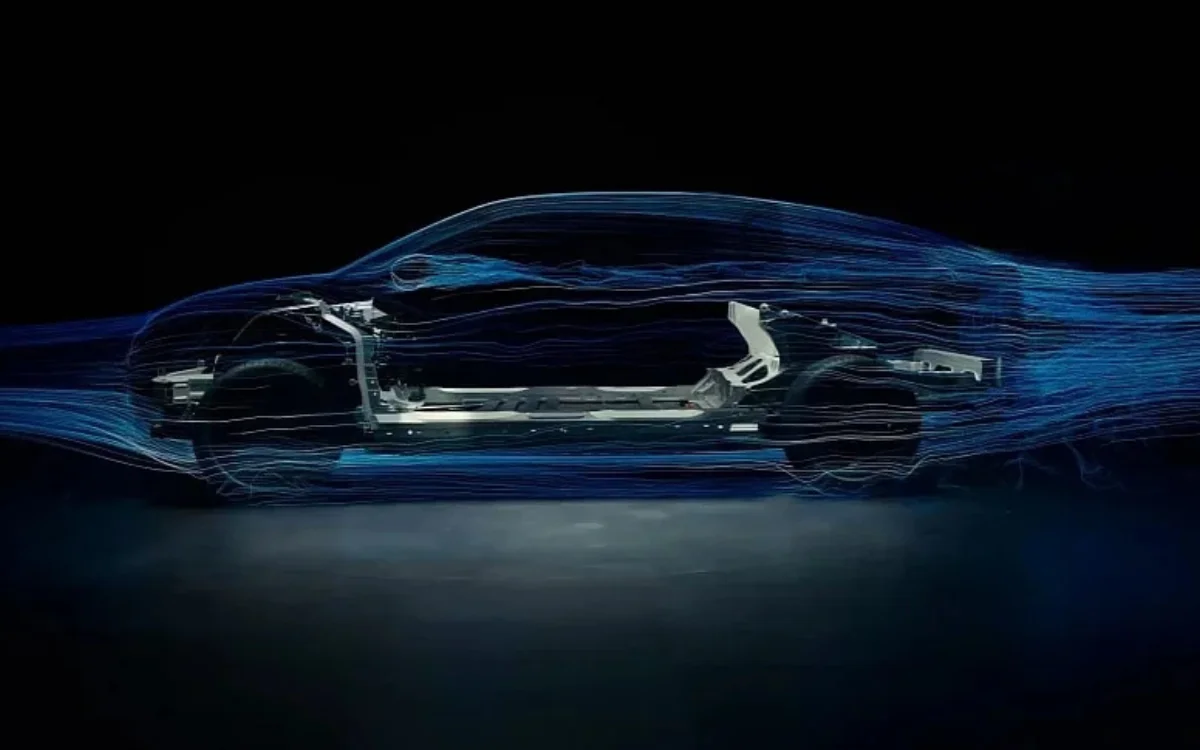
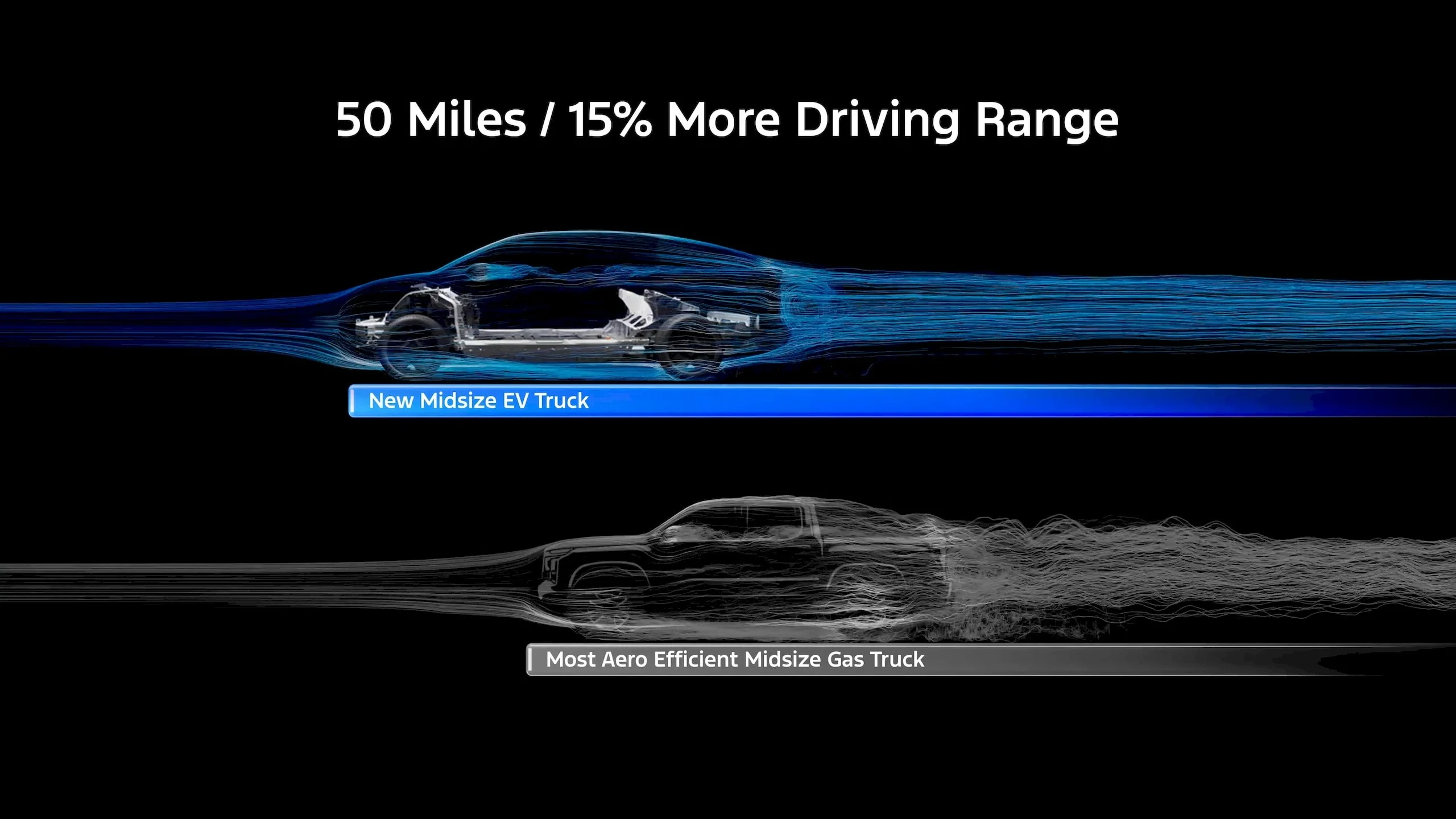
Instead, Ford is squeezing efficiency from the air itself.
Engineers introduced an internal bounty system that assigns real dollar values to tiny design decisions.
Add 1mm to the roof height?
That could mean $1.30 in extra battery cost or 0.055 miles of lost range.
Suddenly, every millimeter matters.
That mindset has shaped a pickup that’s noticeably more streamlined than the traditional square-jawed formula.
Think less brick-on-wheels, more sculpted utility.
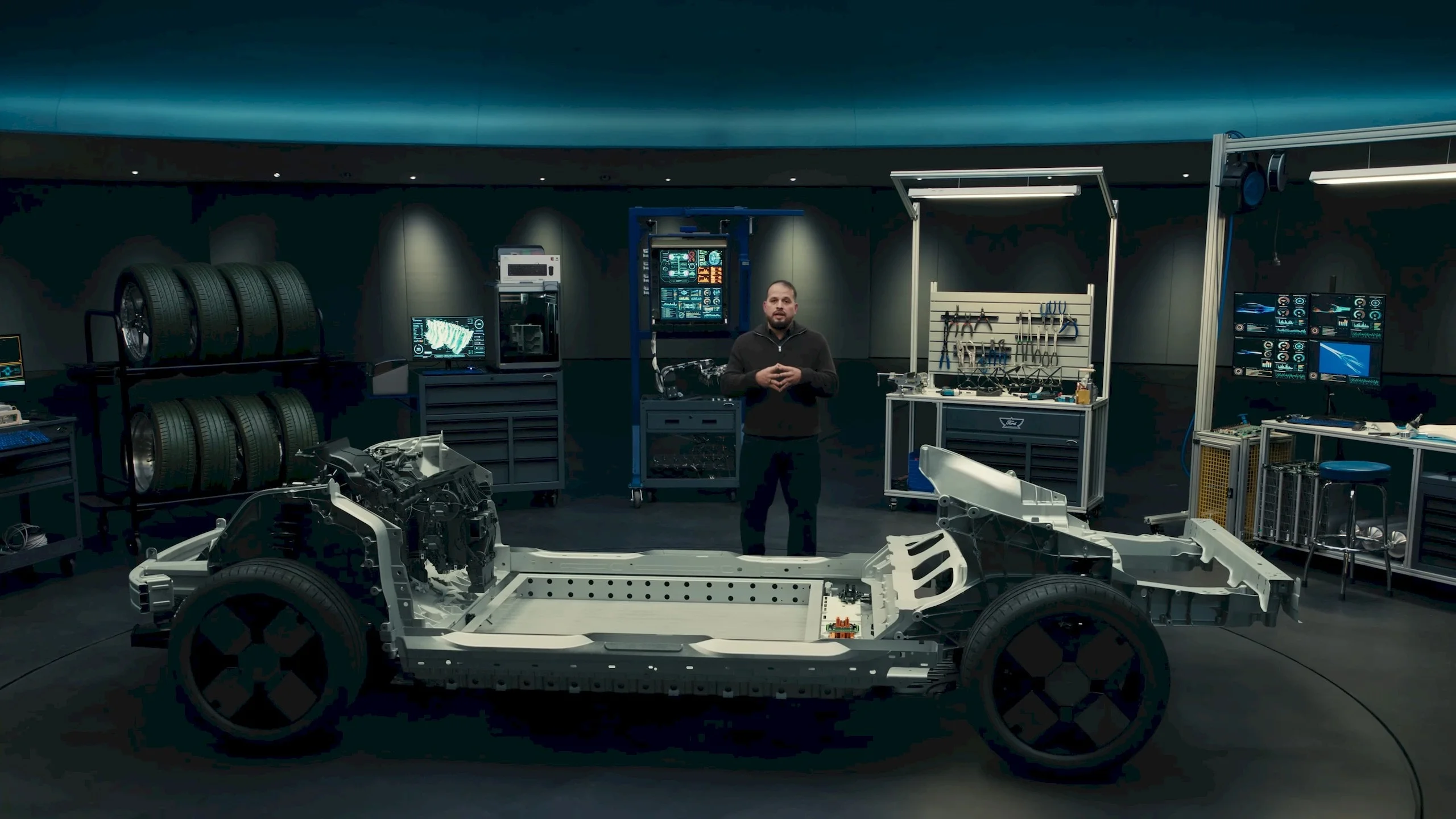
Wind tunnel sessions with 3D-printed aero parts allowed rapid tweaks, shaving drag wherever possible.
Underneath, the cost trimming continues.
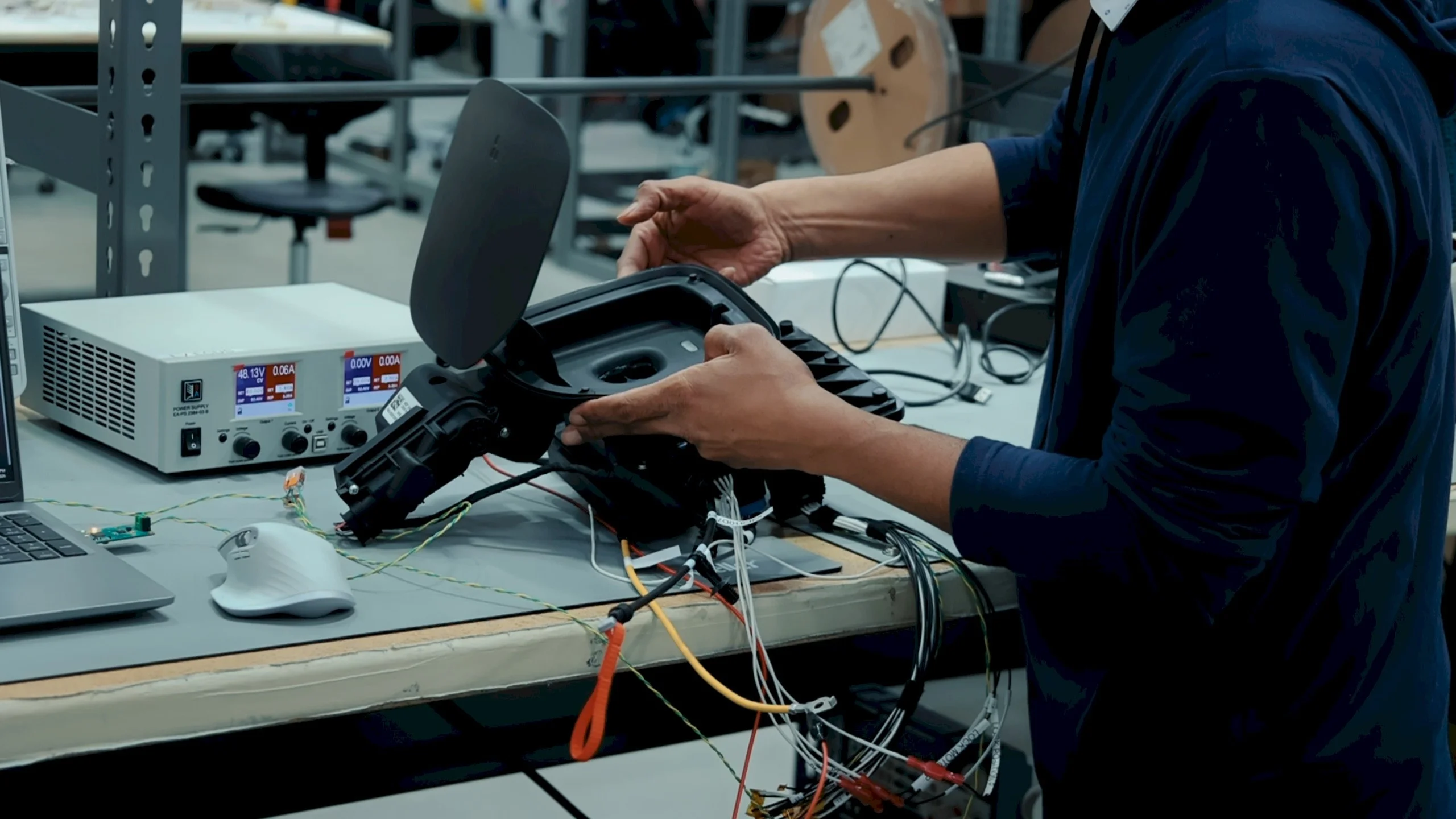
A smarter energy management system supports a 400-volt architecture, while a 48-volt low-voltage setup – similar in concept to the Tesla Cybertruck – eliminates roughly 4,000 feet of cabling and saves about 22 pounds.
Ford is even developing its own power electronics in-house after acquiring Auto Motive Power, tightening control over cost and complexity.
This truck isn’t about flexing the biggest battery in the room, it’s about making a smaller one go further.
Click the star icon next to supercarblondie.com in Google Search to stay ahead of the curve on the latest and greatest supercars, hypercars, and ground-breaking technology
This electric pickup could quietly revive the Ranchero
The shape reportedly emerging from all that wind tunnel obsession is closer to a Hyundai Santa Cruz than a traditional body-on-frame workhorse.
That’s interesting, because Ford has been here before.
Back in the 1950s, the Ranchero blurred the line between car and truck, creating the coupe-utility formula long before it was trendy.
A sleeker, car-based pickup built for everyday practicality rather than heavy-duty bravado.
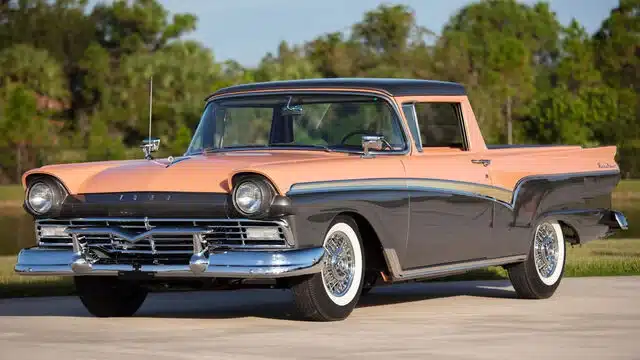
Rumors suggest Ford could even revive the Ranchero name for this affordable electric pickup.
If that happens, it wouldn’t just be nostalgia.
It would be a full-circle moment, pairing aerodynamic efficiency with a shape the manufacturer pioneered decades ago.
In an era obsessed with giant batteries and oversized trucks, that would be a quiet rebellion.
And if Ford can really deliver a $30,000 electric pickup by letting airflow do the heavy lifting, the Ranchero spirit might be the smartest comeback of all.
DISCOVER SBX CARS: The global premium car auction platform powered by Supercar Blondie
With roles at TEXT Journal, Bowen Street Press, Onya Magazine, and Swine Magazine on her CV, Molly joined Supercar Blondie in June 2025 as a Junior Content Writer. Having experience across copyediting, proofreading, reference checking, and production, she brings accuracy, clarity, and audience focus to her stories spanning automotive, tech, and lifestyle news.