New free-to-play browser game uses real-world map data to let you drive almost anywhere on Earth for wild road trip
Published on Aug 15, 2026 at 6:01 AM (UTC-4)
by Daisy Edwards
Last updated on Aug 15, 2026 at 6:01 AM (UTC-4)
Edited by
Mason Jones
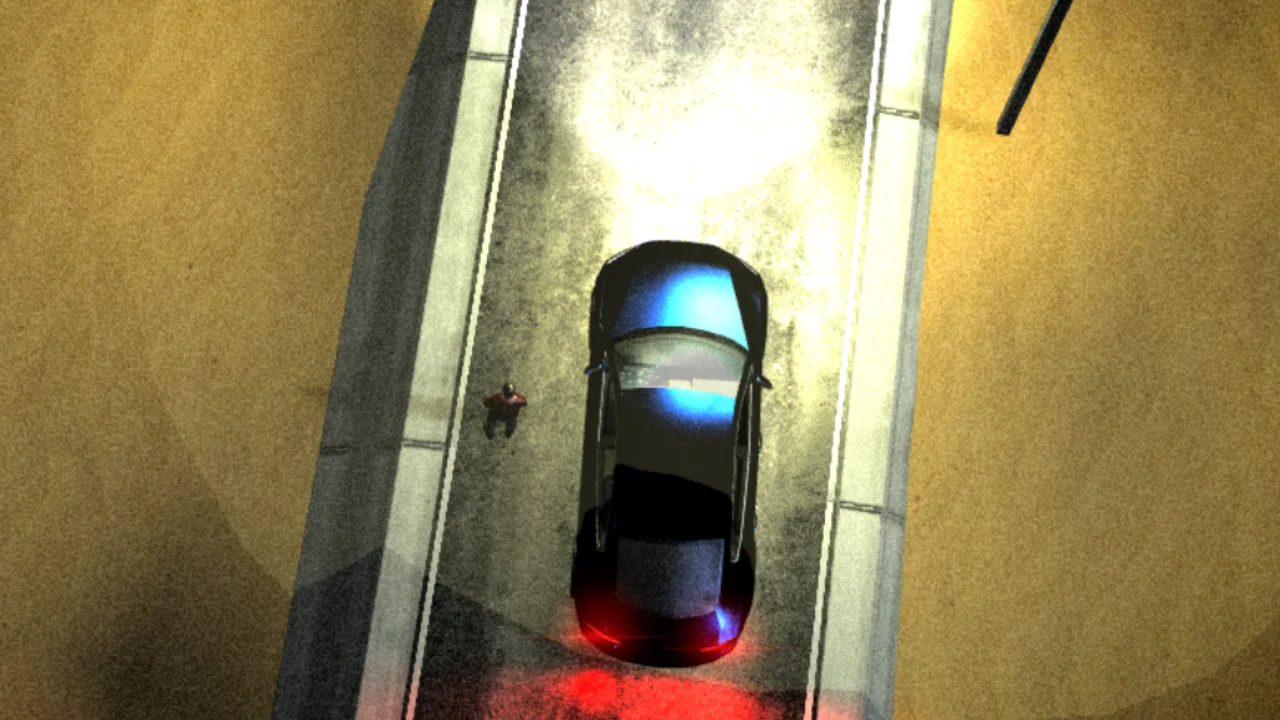

A new free-to-play browser game has just launched and is letting players turn almost anywhere on Earth into their own virtual road trip using a real-world map.
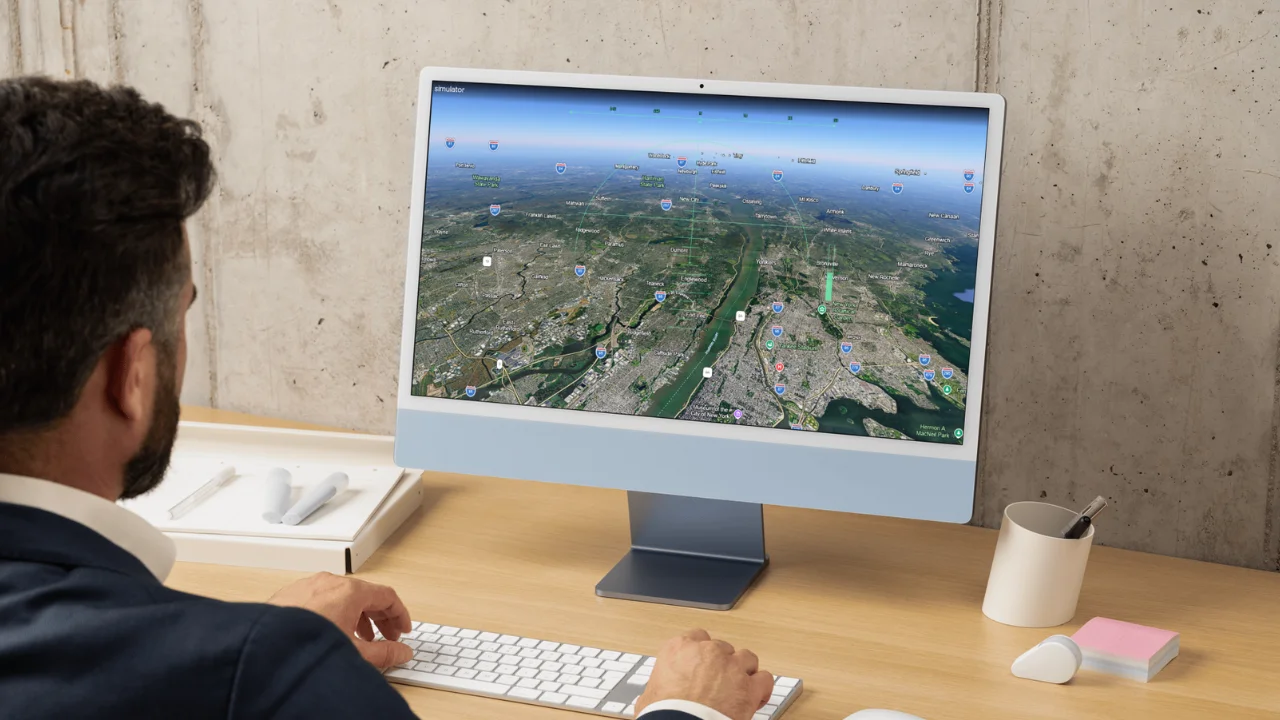
Hop.Earth turns real-world geography into a giant virtual driving playground that you can explore straight from your browser.
Instead of being limited to one enormous pre-built map, the game pulls in geographic information as you move around.
That means your next virtual road trip could take you somewhere familiar or almost anywhere else on the planet.
How Hop.Earth lets you drive across the real world
Hop.Earth is built around a seriously fun concept: turning the roads and geography of the real world into something you can actually drive a car through.
The game uses geographic data to create its virtual environment as you explore, rather than relying on one huge, fixed map.
That helps keep the experience lightweight enough to run in a browser while giving players an enormous world to discover.

So instead of memorizing the same handful of tracks, you can experiment with different locations and see how they translate into the game.
You can also choose custom starting points, which makes the possibilities even more interesting, want to see what a drive around your hometown feels like? You can.
Fancy starting in Monaco Harbour? You can do that too.
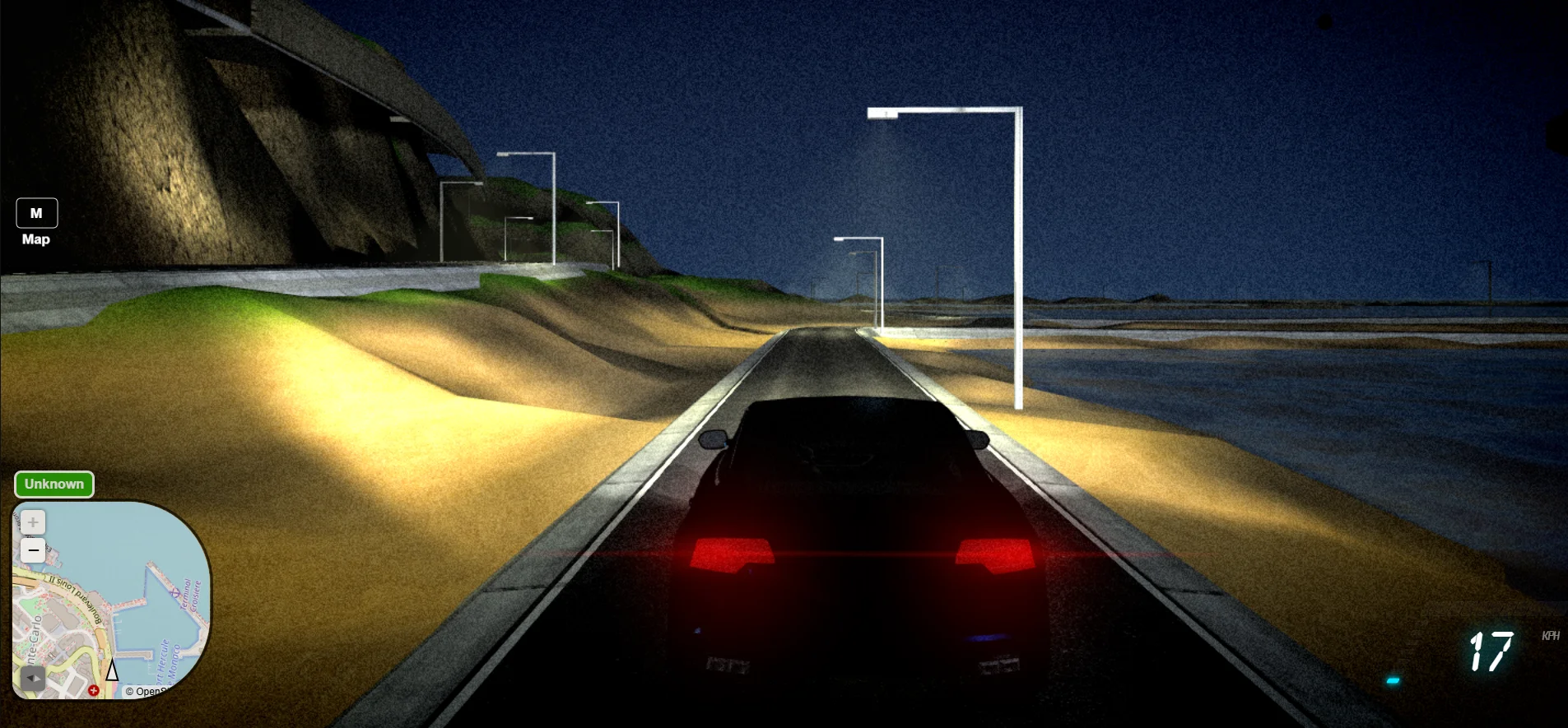
It gives the whole thing the feel of a never-ending digital road trip, without requiring a massive game download.
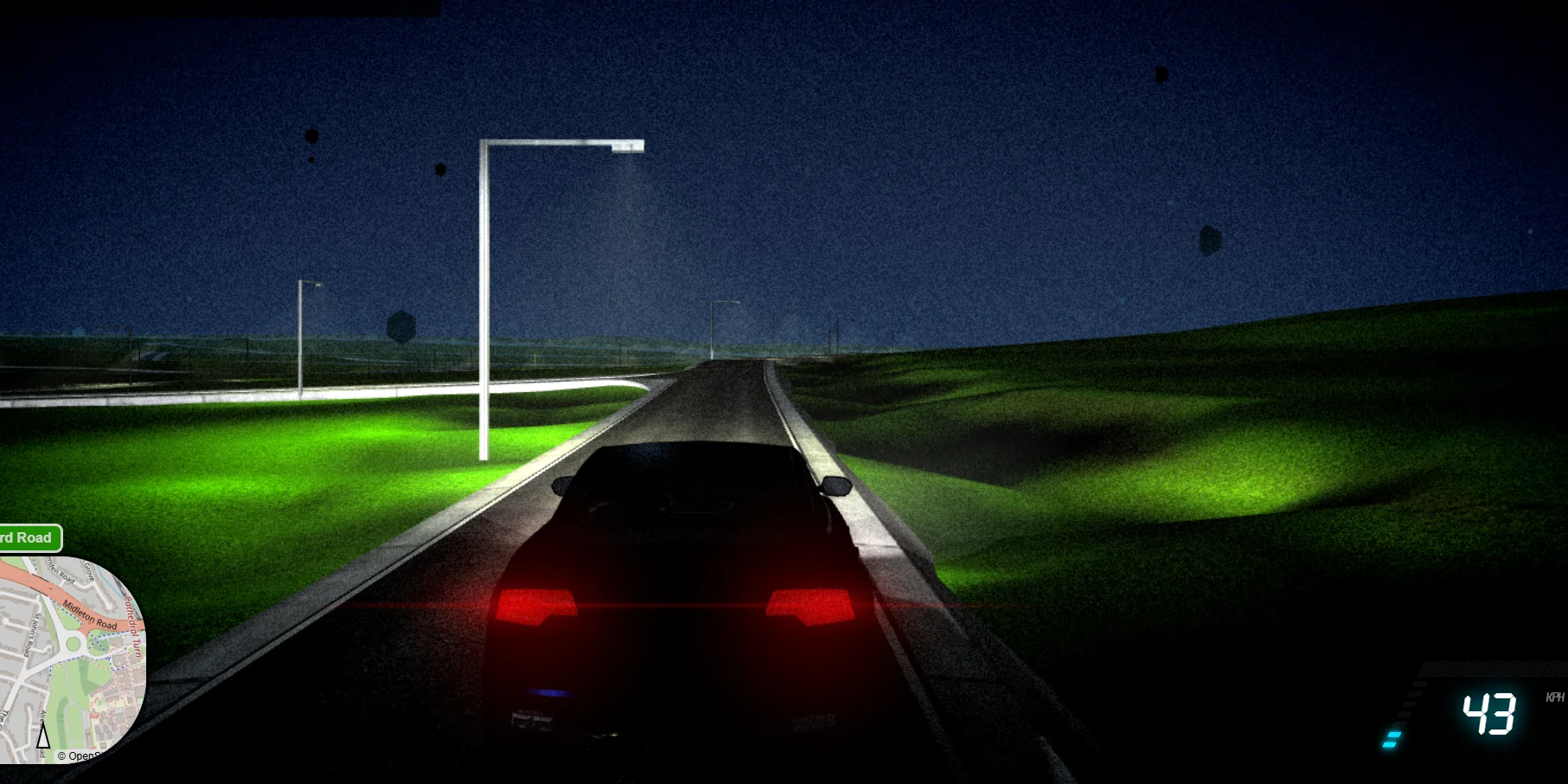
And because the world is based on real geography, there’s something particularly satisfying about recognizing places you know; however, as it is a new launch, it’s just the roads at the moment.
This means that you won’t find the London Eye when you’re driving around the capital city, at least for a bit.
Related

Real-world map data makes this wild road trip multiplayer
Hop.Earth isn’t just about driving around alone.
The browser game also features multiplayer, allowing players to explore together or race their friends and that could make familiar roads particularly entertaining when you can drive around with your buddies to your old haunts.
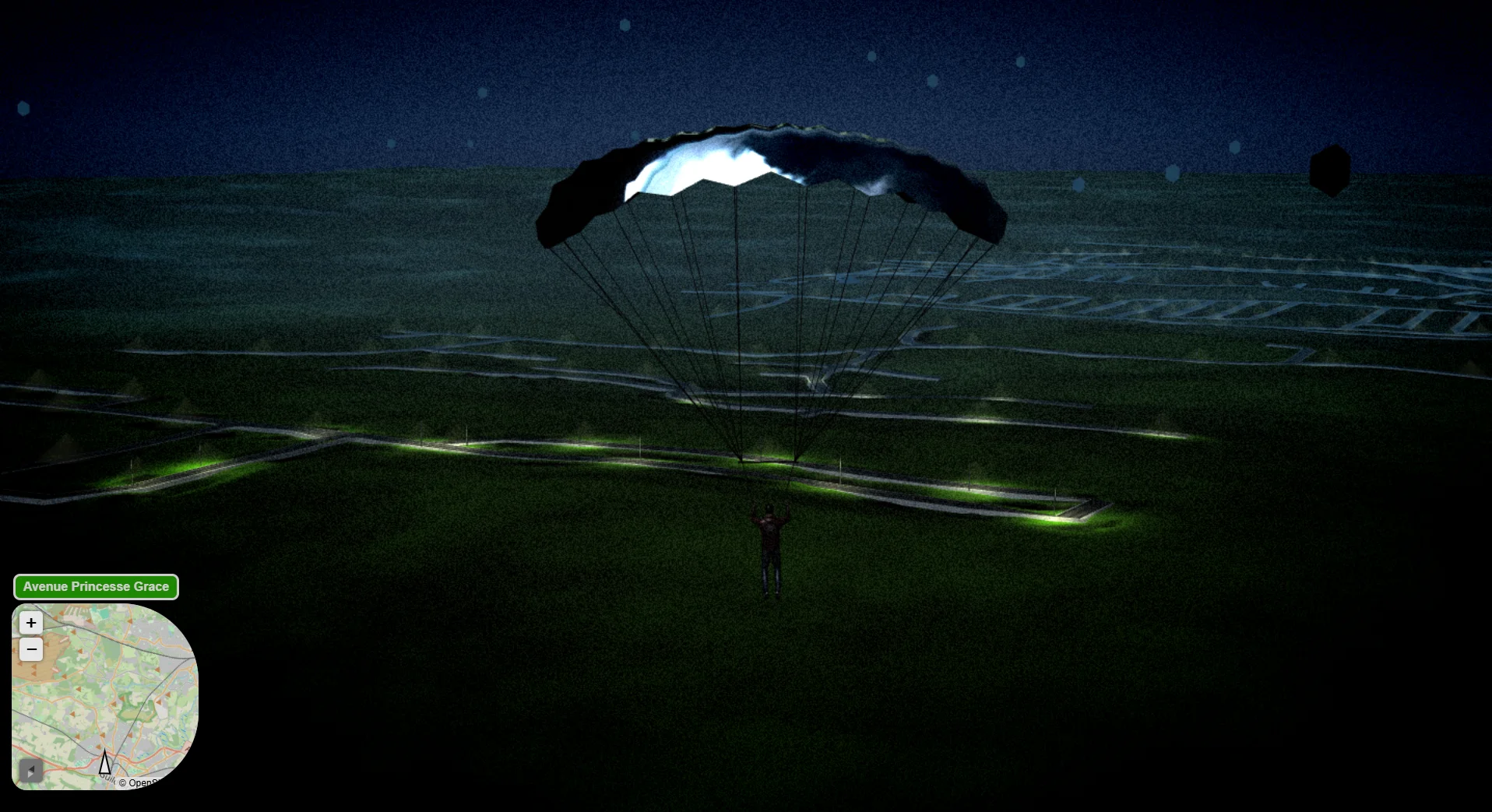
There are also changing day and night conditions, giving the same locations a different feel depending on when you are driving through them, and your little character gets parachuted into a location on a map that you’ve chosen.
The project is still being improved, so it isn’t like we have GTA 7 before we even got GTA 6.
But that’s also part of the appeal.
Hop.Earth takes something we’ve become completely accustomed to – a digital real-world map of the world – and turns them into a way you can drive around without even needing a license.
And considering there are billions of miles of roads and an entire planet to explore, this could make for one seriously long road trip.
See you there!
Daisy is a technology and automotive journalist covering artificial intelligence, consumer tech, Apple news, cryptocurrency, emerging technologies, and transportation innovation. Since joining the team in 2025, she has reported on everything from AI-powered startups and major iOS updates to viral car stories and the latest developments shaping transportation and the digital economy. Drawing on her background in automotive journalism and a degree in History and Journalism from Goldsmiths, University of London, Daisy specializes in breaking down complex topics into clear, engaging reporting for a global audience. Her work spans cutting-edge technology, innovative vehicles, and the people driving change across both industries. Daisy has gained first-hand access to some of the world's most talked-about technologies and innovators, including meeting Tesla's Optimus humanoid robot during its first European appearance in London. She has also discussed the future of space exploration with an astronaut, bringing unique insights and real-world perspectives to her coverage of emerging technology.