The original four-door Porsche wasn't even built by the company and instead has its roots in the US
Published on Mar 25, 2026 at 12:33 AM (UTC+4)
by Molly Davidson
Last updated on Mar 24, 2026 at 3:34 PM (UTC+4)
Edited by
Amelia Jean Hershman-Jones
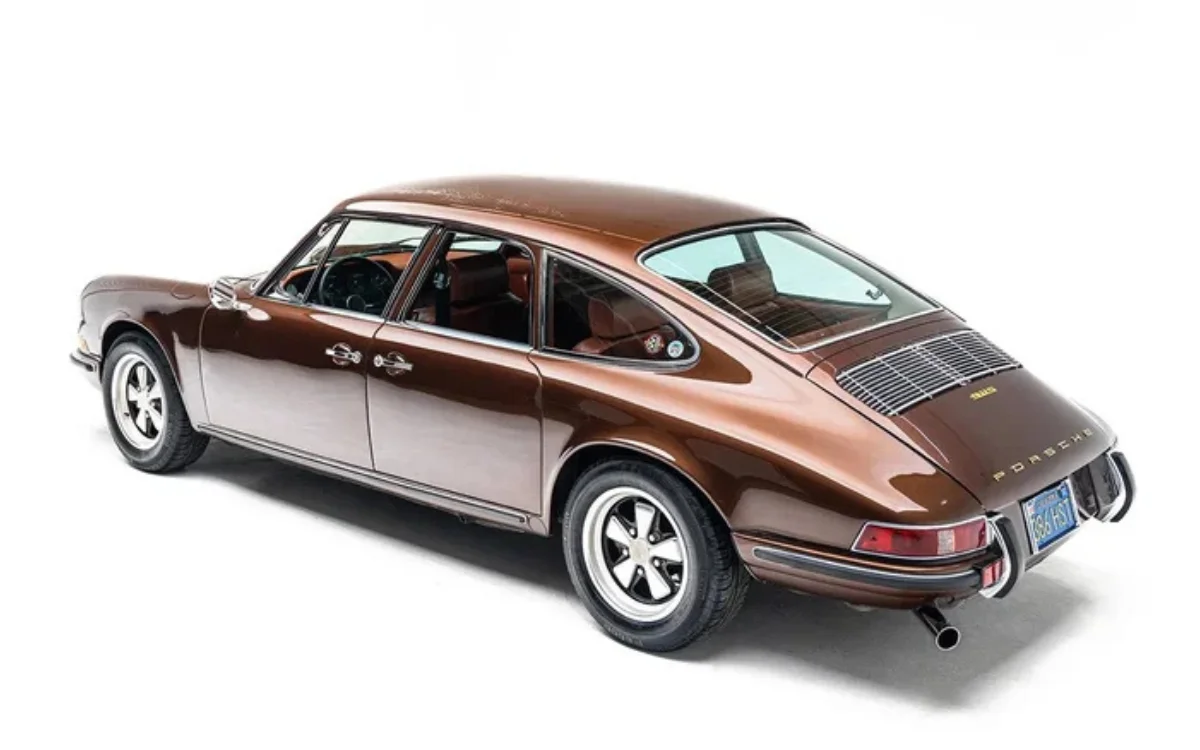

The original four-door Porsche – a 911 – wasn’t actually built by Porsche.
It also didn’t start in Germany as you’d expect.
Instead, it came from a Texas dealer with a big idea.
And Porsche straight-up said ‘no’ to it.
Enter our competition to win a stunning 2006 Ford GT or $400,000 cash!
The four-door Porsche that Porsche refused to make
Long before the Panamera existed, someone had already tried to turn a Porsche 911 into a four-door.
Back in 1967, a Texas dealer named William Dick wanted a stretched-out 911 with space for more people.
Partly as a gift, partly to prove Porsche could do more than just two-door sports cars.
So he asked Porsche to build it.
They weren’t interested.
Rather than drop it, he found a workaround.
He hired a California company called Troutman and Barnes, which took a perfectly normal 911 S and literally cut it in half.
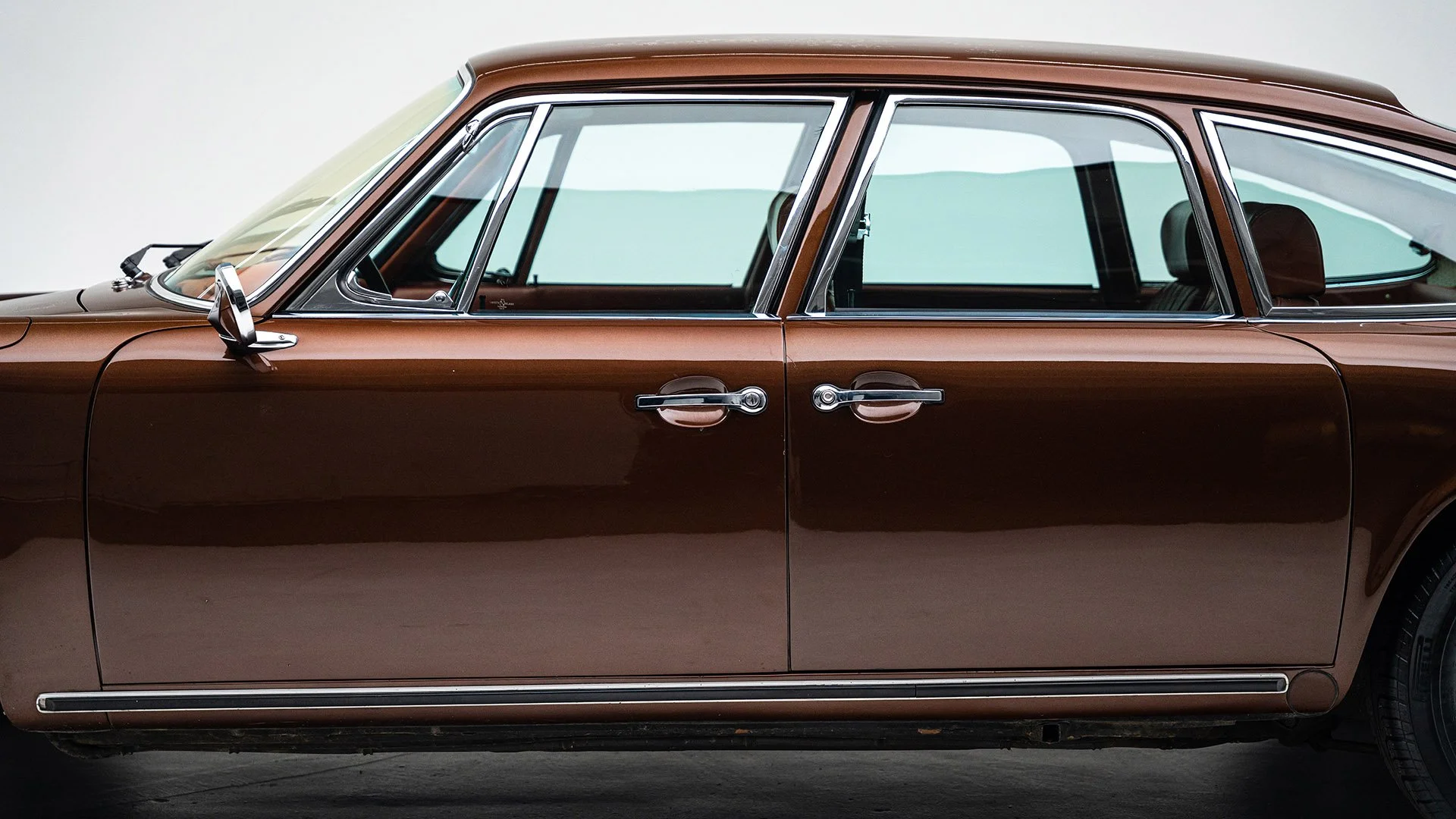
Then they stretched the body, added two extra doors, and stitched it all back together.
The rear doors opened backwards, which already made it look a bit unusual, and the whole car ended up longer and slightly awkward-looking.
Still, you could tell it was a 911… just one that had been pulled like taffy.
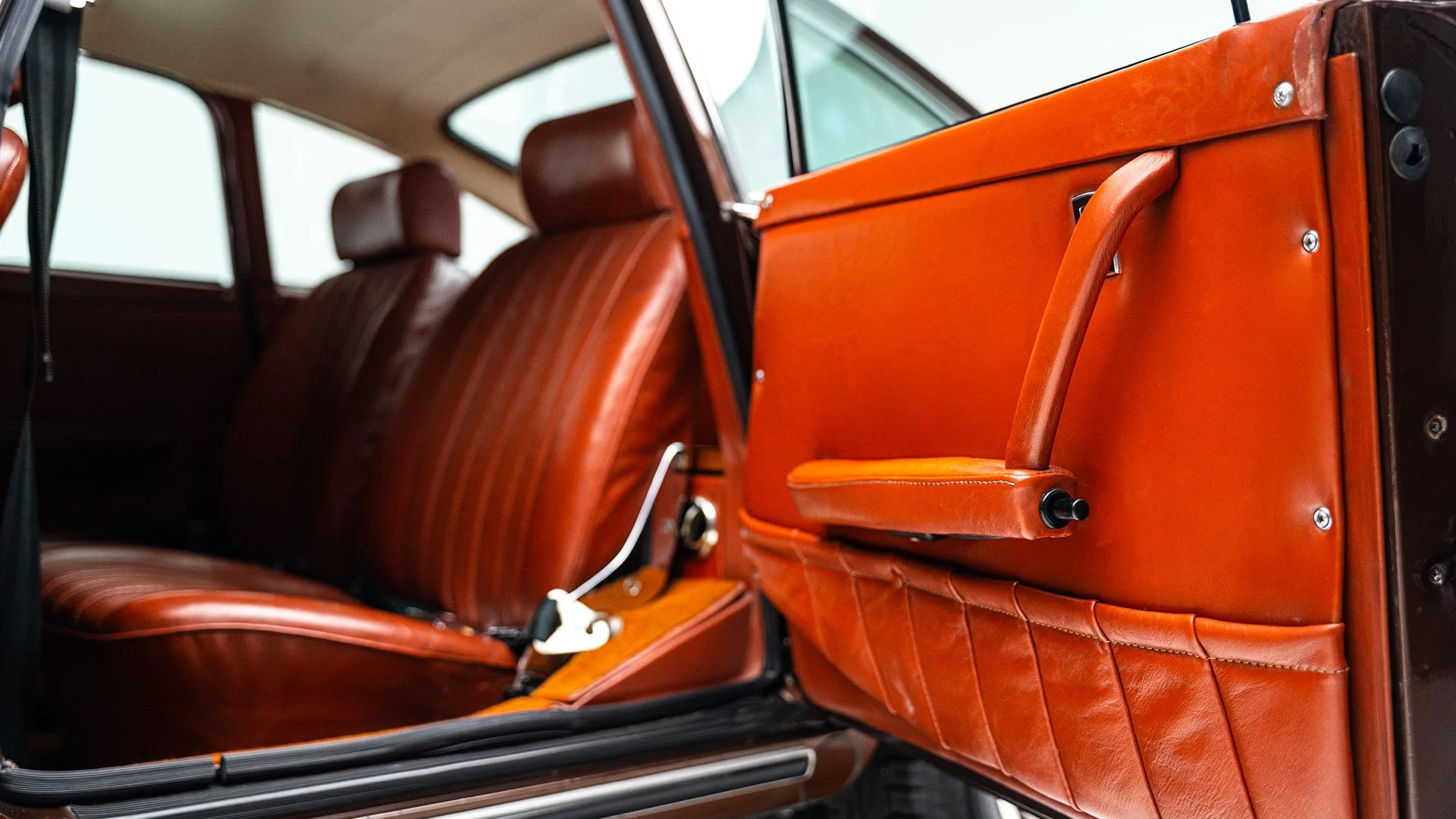
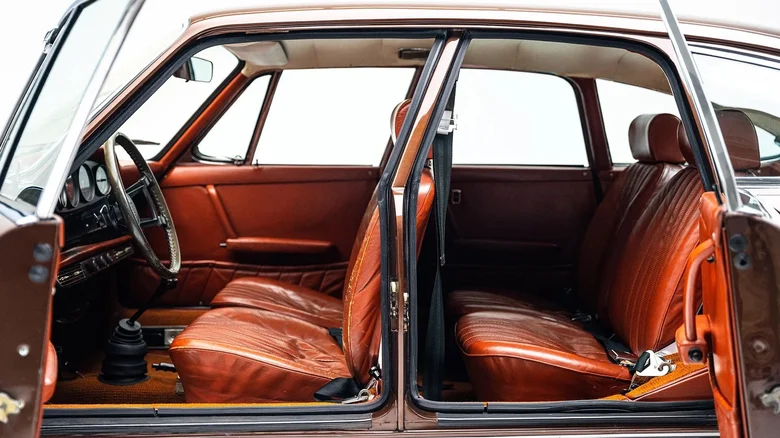
Inside, though, it was surprisingly fancy.
The leather was even matched to a pair of Dick’s shoes, which feels like a detail you either love or question immediately.
Underneath, it kept the original 911 S setup, including its flat-six engine and manual gearbox.
So even though the manufacturer didn’t build it, the idea was already there – a four-door Porsche, just way ahead of its time.
Eventually the manufacturer came around
Even after saying no back in the ’60s, Porsche didn’t stick to two doors forever.
It kept coming back to the same idea in different ways.
For example, there were concepts like the 989 in the late ’80s, which looked a lot closer to what a proper Porsche sedan could be, but it never made production.
There were also experiments with four-door versions of the 928 that didn’t go anywhere.
At the same time, Porsche started helping other brands build fast sedans.
It worked on the Mercedes-Benz 500E, helping with engineering and even building parts of it.
Then came the Audi RS2 Avant, where Porsche handled key performance upgrades and turned it into something way more exciting than a normal wagon.
Eventually, Porsche did what that Texas dealer had been pushing for all along.
The Panamera arrived in 2009, followed by the electric Taycan, proving a four-door Porsche could actually work.
Which makes that weird 1967 build less of a random experiment and more like someone predicting the future.
Porsche simply took a few decades to catch up.
DISCOVER SBX CARS: The global premium car auction platform powered by Supercar Blondie
With roles at TEXT Journal, Bowen Street Press, Onya Magazine, and Swine Magazine on her CV, Molly joined Supercar Blondie in June 2025 as a Junior Content Writer. Having experience across copyediting, proofreading, reference checking, and production, she brings accuracy, clarity, and audience focus to her stories spanning automotive, tech, and lifestyle news.