Modern cars are quietly tagging themselves and anyone with $100 worth of equipment can follow you home
Published on Mar 05, 2026 at 3:02 PM (UTC+4)
by Molly Davidson
Last updated on Mar 05, 2026 at 3:02 PM (UTC+4)
Edited by
Mason Jones

Modern cars are packed with sensors constantly sending out tiny signals.
Most drivers assume those signals stay inside the vehicle’s systems.
But one of them is quietly broadcasting something far more revealing.
Because your car’s tires might be tagging your vehicle everywhere it goes.
Click the star icon next to supercarblondie.com in Google Search to stay ahead of the curve on the latest and greatest supercars, hypercars, and ground-breaking technology
The tire pressure system that can quietly identify modern cars
Most modern vehicles use something called a Tire Pressure Monitoring System, or TPMS.
The system does a simple job.
Sensors inside each tire constantly check air pressure and warn the driver if something starts going flat.
However, those sensors don’t just talk to the dashboard.
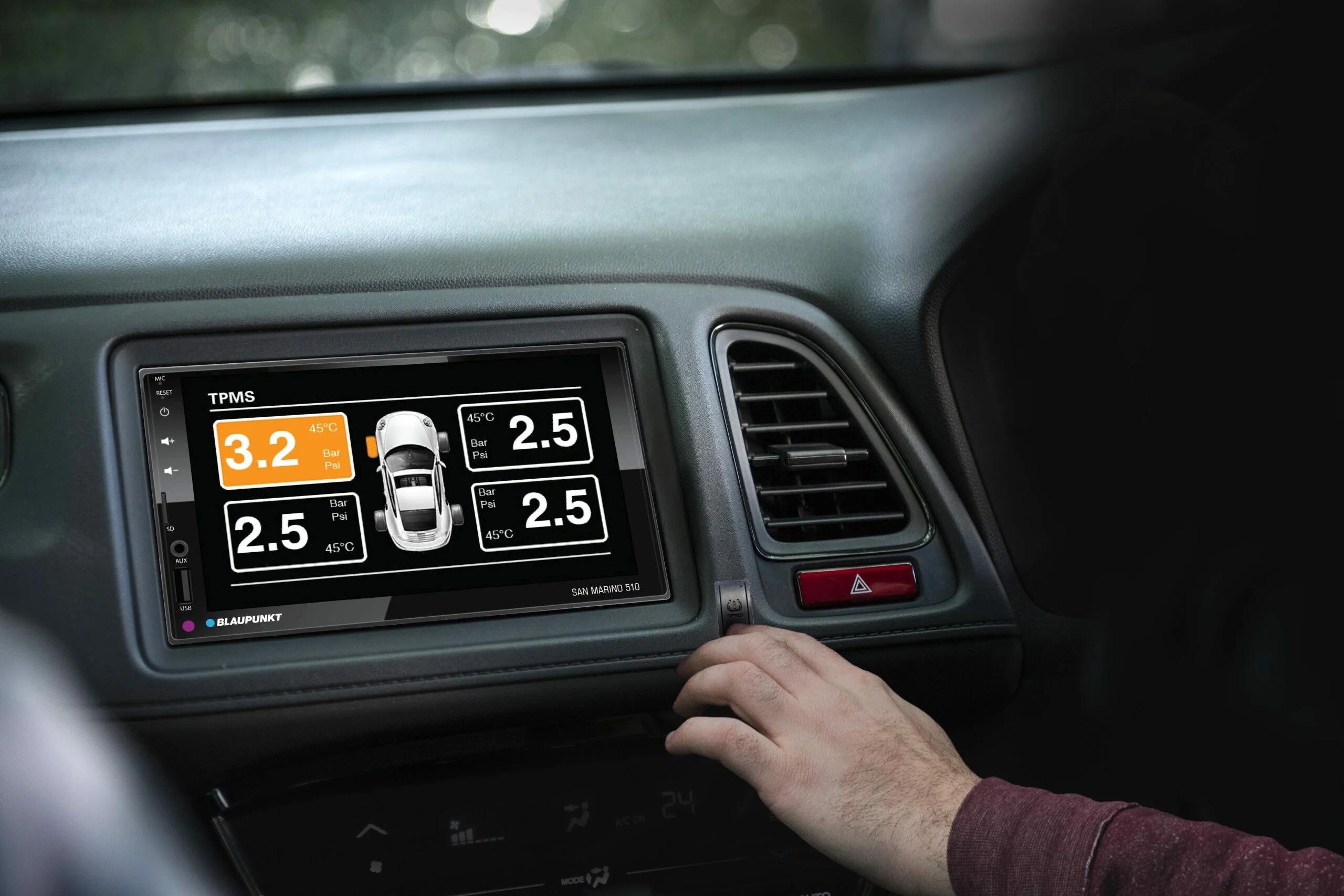
They also broadcast short radio signals that contain pressure data.
According to researchers at the IMDEA Networks Institute, each TPMS sensor sends out a fixed identification number along with those signals.
In other words, every car ends up broadcasting a unique digital fingerprint through its tires.
Because those signals are not encrypted, anyone with the right equipment can listen for them.
And the equipment is not particularly advanced.
Researchers showed that a basic radio receiver costing around $100 can capture the signals from passing cars, even if the vehicle is inside a building or behind obstacles.
To test how practical this could be, the team set up several receivers near roads and parking areas.
Over a 10-week period, they collected more than six million tire-sensor messages from over 20,000 vehicles.
By matching the signals from the four tires on each vehicle, they could reliably identify when specific modern cars arrived, left, and followed regular daily patterns.
TPMS tracking is starting to worry researchers
Once those signals are captured, they can reveal more than you might expect.
Research professor Domenico Giustiniano from IMDEA Networks Institute said the data could allow observers to quietly follow vehicles and learn their movement patterns.
“Our results show that these tire sensor signals can be used to follow vehicles and learn their movement patterns,” he said.
Because receivers can detect signals from more than 50 meters away (roughly 160 miles), a network of small devices could monitor traffic around parking lots, office buildings, or residential streets without drivers ever noticing.
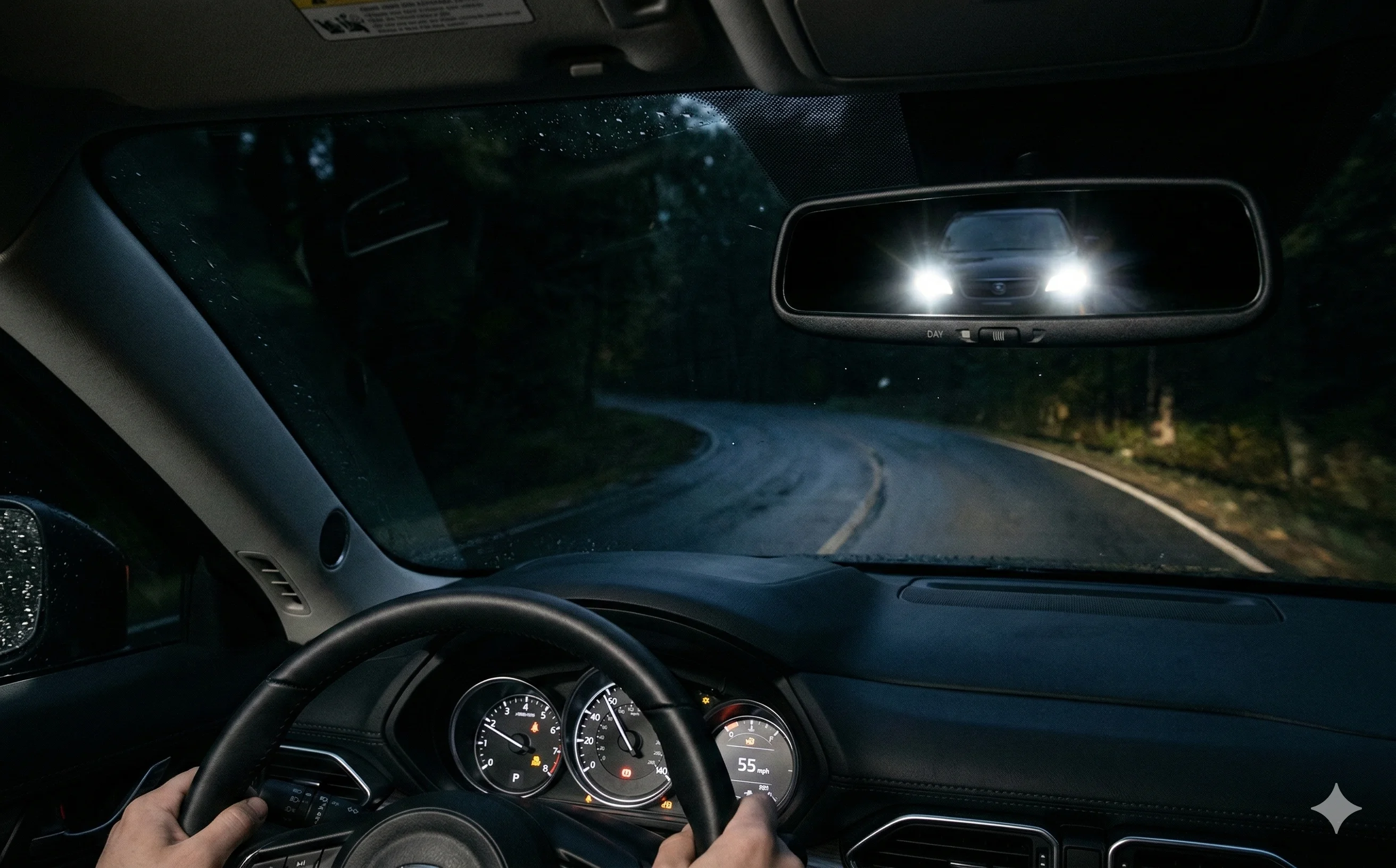
The signals also contain tire pressure data.
In some cases, researchers say that information could even hint at what type of vehicle is being driven or whether the car is carrying extra weight.
That is why researchers are calling for stronger protections around vehicle sensors.
As Dr. Yago Lizarribar explained, TPMS was originally designed purely as a safety system.
Now, however, the same technology could double as an unintended tracking tool.
Until stronger security rules are introduced, modern cars may continue broadcasting more information than most drivers realize.
DISCOVER SBX CARS: The global premium car auction platform powered by Supercar Blondie
With roles at TEXT Journal, Bowen Street Press, Onya Magazine, and Swine Magazine on her CV, Molly joined Supercar Blondie in June 2025 as a Junior Content Writer. Having experience across copyediting, proofreading, reference checking, and production, she brings accuracy, clarity, and audience focus to her stories spanning automotive, tech, and lifestyle news.