Shortest commercial flight in the world has you in the sky for a mere 53 seconds
Published on Sep 25, 2026 at 7:28 AM (UTC-4)
by Alessandro Renesis
Last updated on Sep 29, 2026 at 12:42 PM (UTC-4)
Edited by
Mason Jones
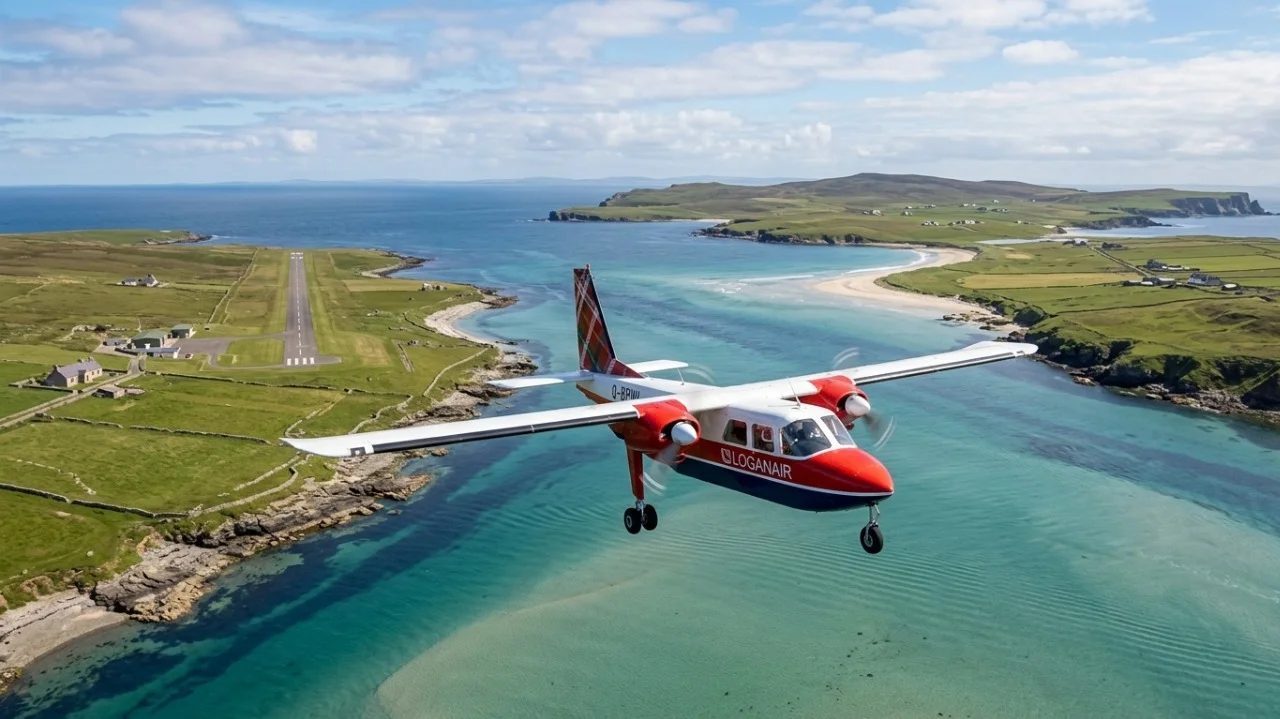

The shortest commercial flight in the world covers just 1.7 miles, and it lasts less than 60 seconds.
In fact, that’s not even enough for the crew to tell you about the usual window ‘blinds-down, tray table-up, do-seat-belt-up’ routine.
It takes off from a small island only to land on another small island next to it.
And there’s a very simple reason why this absurd route even exists.
This article is probably longer than the shortest commercial flight in the world
Celebrities like Taylor Swift and Floyd Mayweather make headlines all the time because people meme about how they use their private jets to travel from their bedroom to their kitchen.
That’s because, in theory, no private jet route is too short.
But this is different.
The shortest commercial flight in the world is a regularly scheduled passenger flight, and it takes around two minutes, including taxiing.
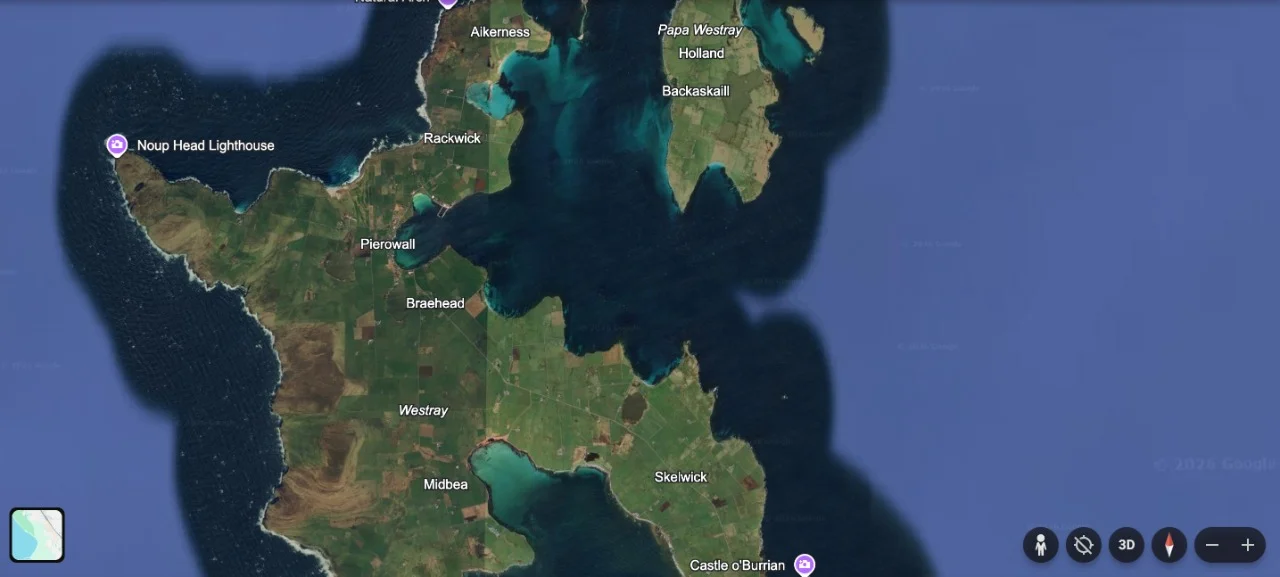
According to the Guinness Book of World Records, the flight covers just 1.7 miles (2.7 kilometers) and, depending on different factors, it actually only spends less than a minute in the air.
The record is 53 seconds.
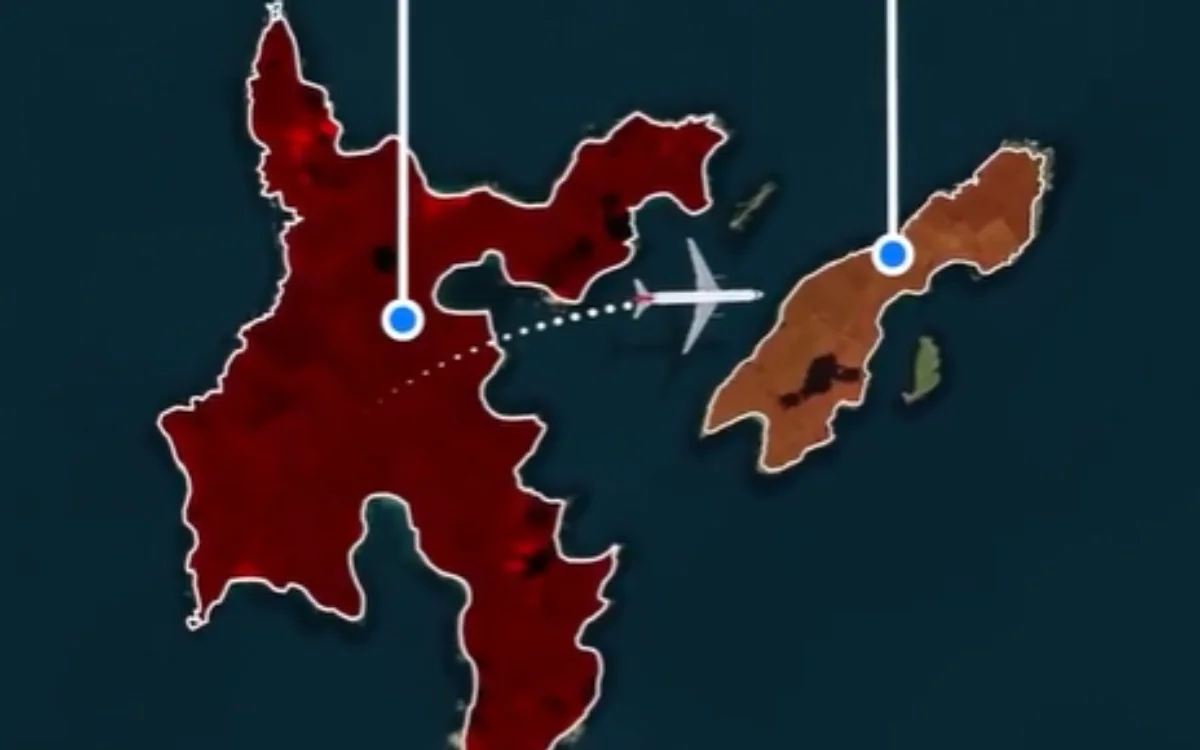
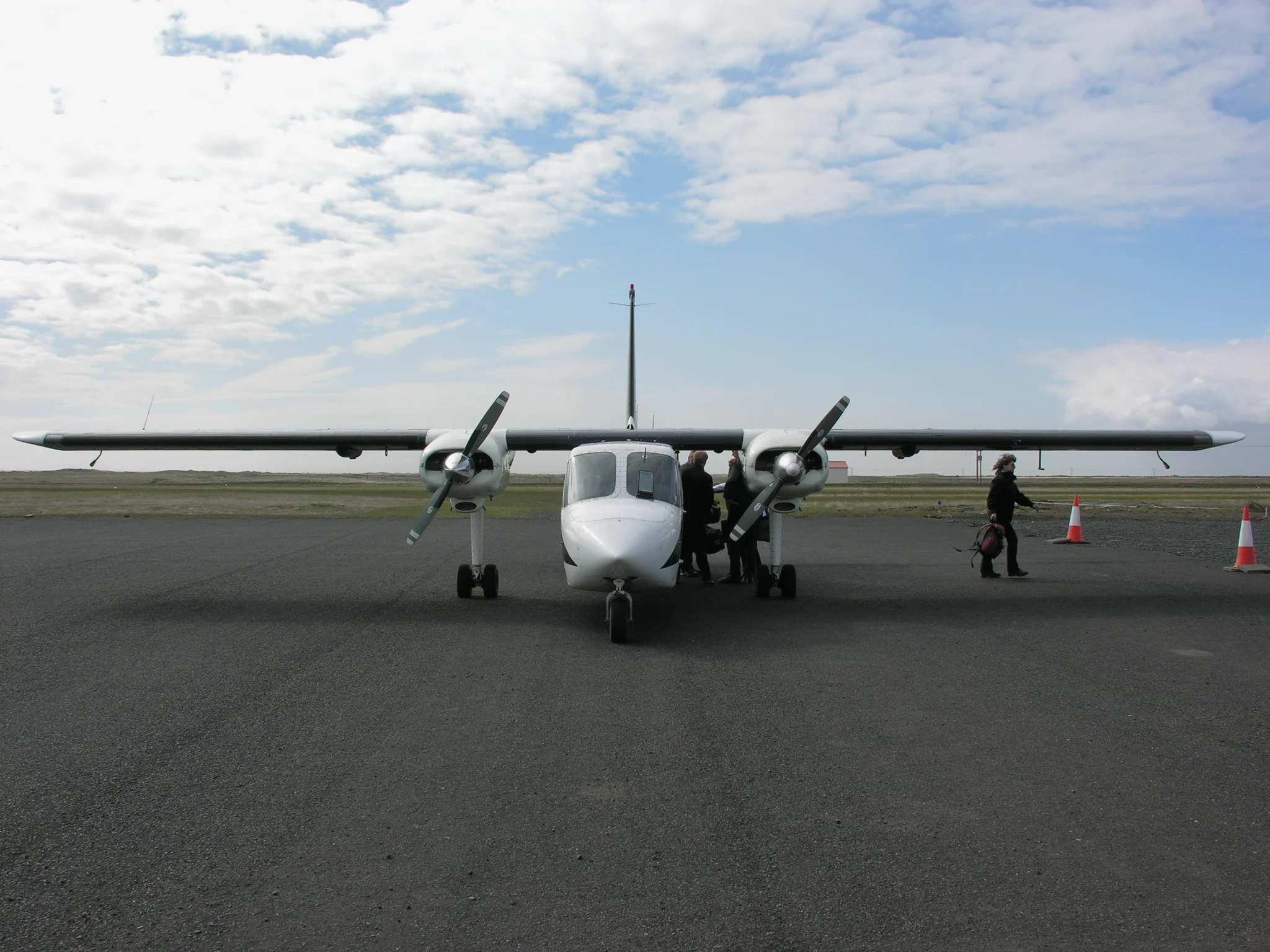
Loganair flight LM711 connects Westray, a small Scottish island, to Papa Westray, an even smaller island, two or three times per day, depending on weather conditions.
Loganair uses a Britten-Norman BN-2 Islander, a minute aircraft that only weighs 1,407 kg.
A Tesla Cybertruck, for reference, is nearly three times as heavy.
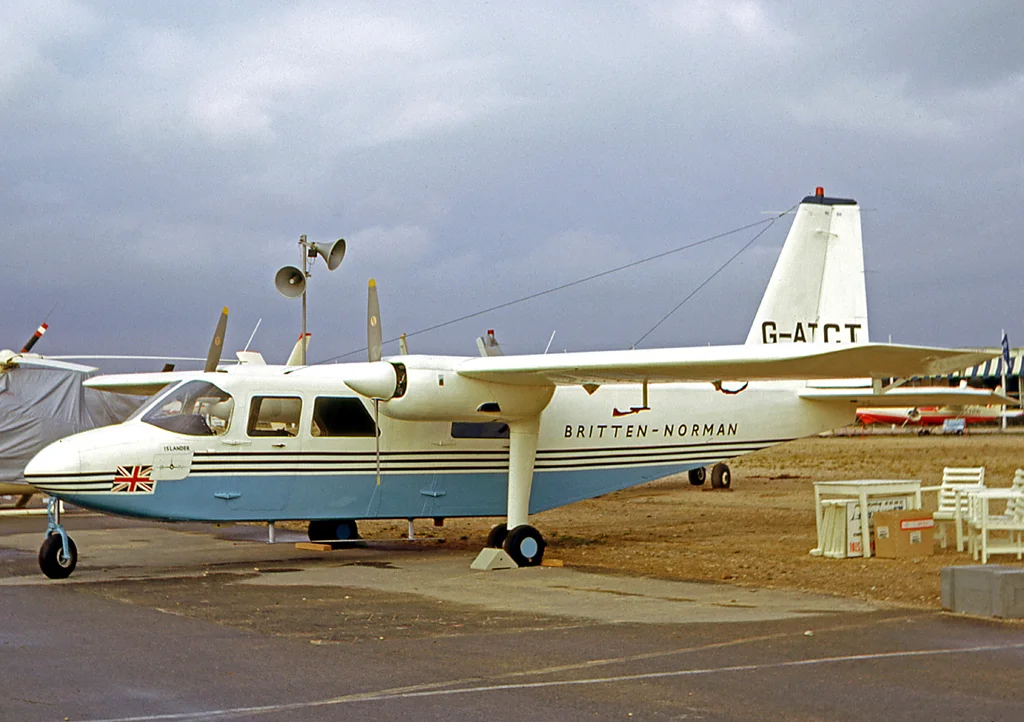
There are no in-flight facilities and only 10 seats in total.
And you can’t even choose your seat, which is allocated to each passenger based on evenly distributing weight around the airplane.
We’re wondering how flight attendants go about communicating this particular (and sensitive) bit of info.
The irony is, if you were reading this on that flight, you’d land before you even made it to the last word on the page.
Related


The reason why this route exists in the first place
The reason why the route is covered by air and not by sea has to do with weather conditions.
Local authorities in Scotland concluded that it would be easier to guarantee a reliable scheduled service with a plane than with a boat.
Broadly speaking, small planes handle wind much better than small boats handle heavy seas.
More to the point, while extreme winds are rare here, rough waters are a constant guarantee.
What about the longest flight?
We talked about the shortest airplane flight route, so we should probably also mention the longest.
The longest non-stop flight in the world available today will take you from New York to Singapore in around 19 hours.
Singapore Airlines flight SQ23 covers 9,500+ miles (15,340+KM) from New York-JFK to Singapore airport around 19 hours.

We should also point out that, because of the time difference between NYC and Singapore, passengers effectively land two days later.
This record is about to be broken, though.
If everything goes to plan, we’ll soon be able to book a seat on the so-called ‘Project Sunrise’ – a Qantas route that takes you from Sydney to London in around 20 hours or more.
Alessandro is an automotive journalist with 10 years of experience covering supercars, automotive history, emerging vehicle technology, and luxury transportation. He wrote the first article published on SupercarBlondie.com when the website launched in 2022 and has since built a reputation for insightful reporting across the automotive and transportation industries. His expertise is grounded in hands-on experience. Alessandro has driven every Tesla model ever produced, from the original Roadster to the Cybertruck, and regularly covers the latest developments in electric vehicles and automotive innovation. His passion for transportation extends beyond cars, he has even flown a Boeing 787 Dreamliner simulator in Addis Ababa, Ethiopia. His reporting spans everything from classic American muscle cars and rare automotive discoveries to luxury yachts, private aircraft, high-end watches, and cutting-edge vehicle technology. Known for his deep knowledge of automotive history and ability to uncover the stories behind iconic vehicles, Alessandro brings readers a blend of historical context, technical expertise, and first-hand experience.