Thousands of Volkswagen and Audi cars were parked in the Mojave Desert and the truth behind it is strange
Published on Mar 06, 2026 at 4:13 PM (UTC+4)
by Callum Tokody
Last updated on Mar 06, 2026 at 7:46 PM (UTC+4)
Edited by
Amelia Jean Hershman-Jones

Thousands of Volkswagen and Audi cars are currently rotting in the Mojave Desert after a massive scandal turned them into expensive lawn ornaments.
The vast rows of vehicles were part of a mandatory buy-back program that forced the company to reclaim nearly 350,000 diesel models from American owners.
The Victorville site in California covers 134 acres and serves as a massive holding pen while the brand figures out what to do with the metal.
The reason these machines are sitting in the dirt is far more complicated than a simple storage issue.
The giant Volkswagen desert graveyard
The story behind these cars in the Mojave Desert traces back to the 2015 emissions scandal.
Volkswagen admitted to installing software in millions of diesel engines that could detect when a car was undergoing a government test.
During those tests, the cars operated within legal environmental limits.
In normal driving, however, the engines switched modes and pumped out pollutants at 40 times the permitted levels.
Following the discovery, Volkswagen agreed to a multibillion-dollar settlement in the United States.
This agreement gave owners the option to sell their cars back to the manufacturer.
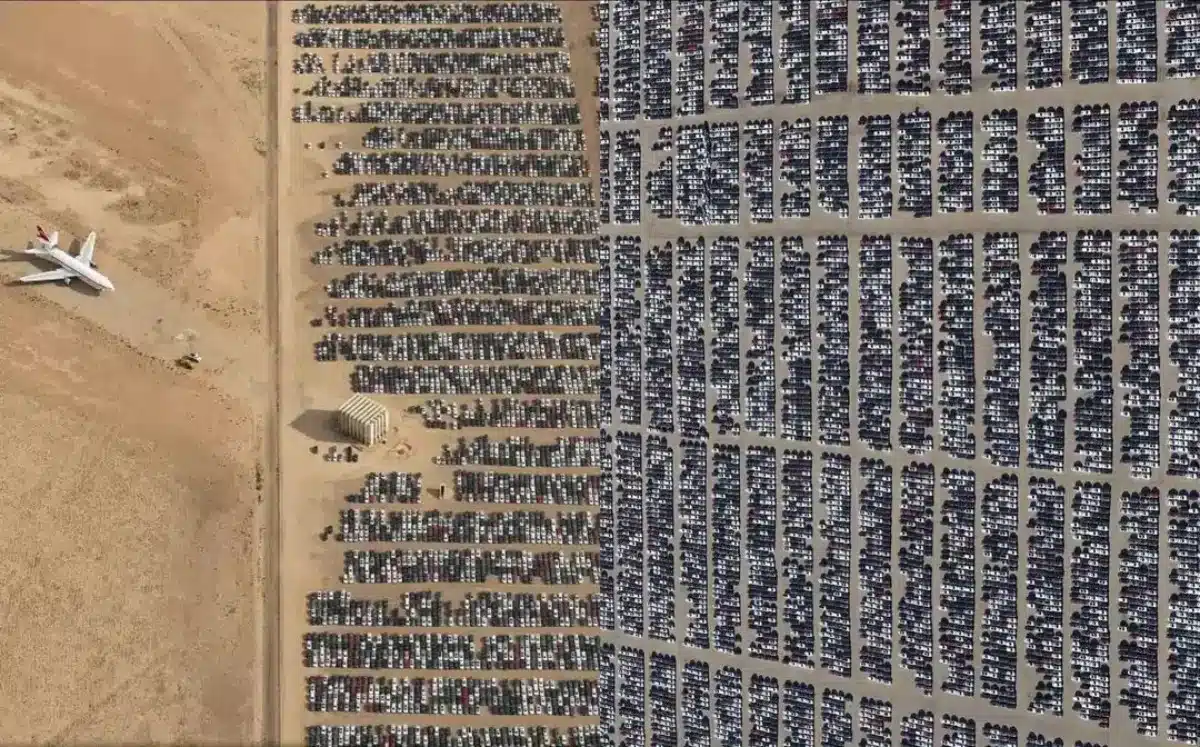
Thousands of people took the offer, which left the company with a massive fleet of vehicles that could not be legally sold.
The manufacturer needed vast amounts of space to park these cars while waiting for regulators to approve mechanical and software fixes.
The Mojave Desert was an ideal choice for long-term storage because the arid climate prevents rust and corrosion.
While aerial photos of the site look like a junkyard, the company actually employed staff to maintain the fleet.
Workers regularly moved the cars and checked their batteries to keep them in good condition.
Keeping the cars functional was necessary because Volkswagen intended to resell as many of them as possible once the engines were modified to meet legal standards.
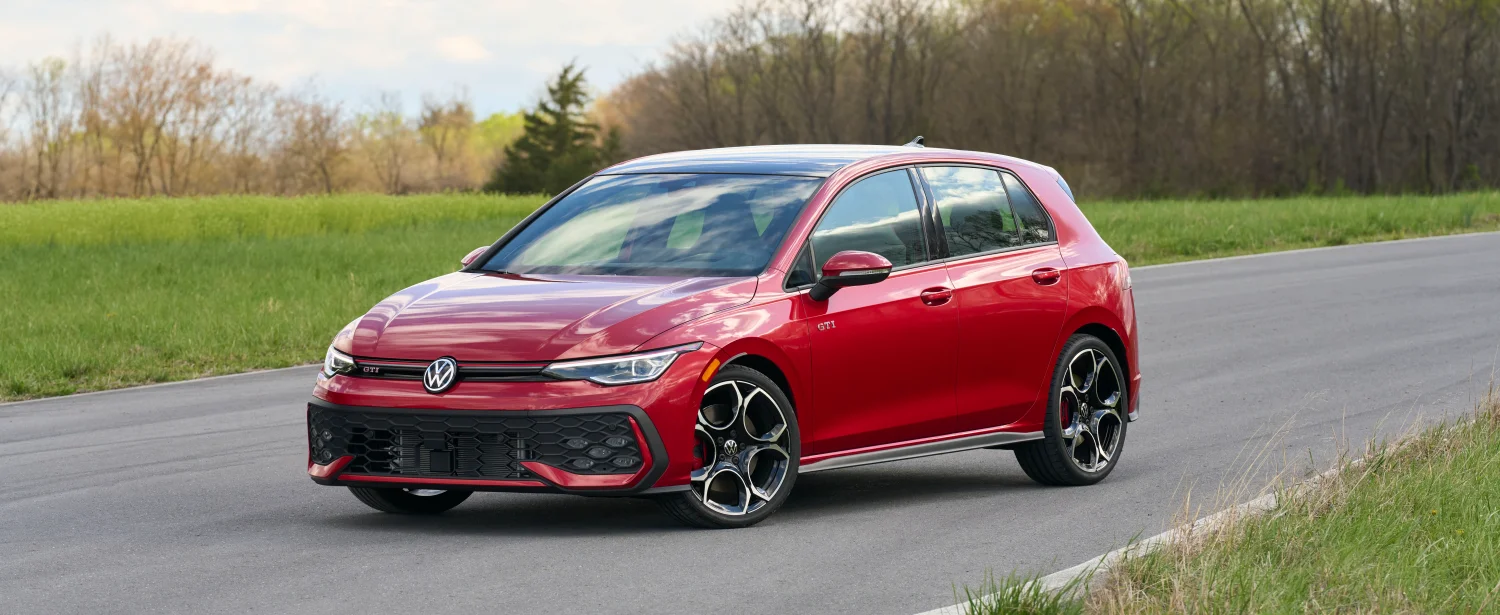
Under the court-mandated settlement, Volkswagen had to fix or remove 85 percent of the affected cars by a specific deadline.
Over the following years, many of the vehicles in the desert received updated software and hardware.
Once certified, these cars were sold to new owners through authorized dealerships.
Units that were too old or in poor condition were sent to specialized facilities to be dismantled and recycled.
The pivot to an electric future
The logistical and financial burden of the Mojave Desert storage project influenced the long-term strategy of the company.
The brand eventually stopped selling diesel passenger cars in the United States and redirected its budget toward battery-powered vehicles.
This shift was a significant change for a company that had marketed diesel as its primary fuel-efficient option for decades.
Volkswagen has since launched several electric models as part of a plan to move its entire lineup away from internal combustion.
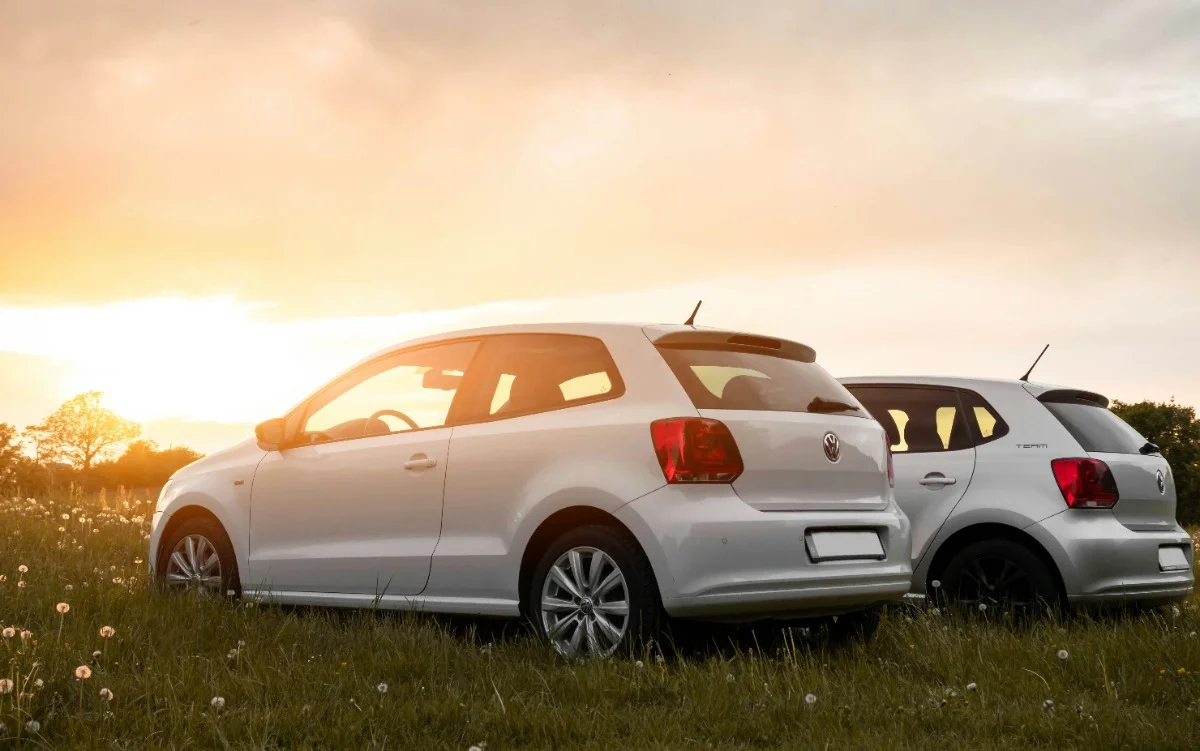
The desert storage lots have slowly cleared out as the buy-back program reached its conclusion.
This era forced the entire automotive industry to adopt more transparent testing protocols and stricter environmental reporting.
Many other manufacturers have followed a similar path, prioritizing electric development to avoid the regulatory and legal risks that affected the German brand a decade ago.
The thousands of cars in the Mojave Desert stand as a silent monument to a difficult period in automotive history.
These lots will eventually empty as Volkswagen completes its massive buy-back and repair program.
The industry now looks toward an electric future where such emissions scandals will no longer be an issue.
DISCOVER SBX CARS: The global premium car auction platform powered by Supercar Blondie